Is Denmark Family-Friendly for Travel? An Honest Answer
A travel couple who has explored Denmark with kids weighs up the costs, the logistics, and the moments that make Denmark one of Europe’s most rewarding family destinations.
J&A Joona & AllaRovaniemi, Finland · May 2026 · 10 min read · Updated seasonally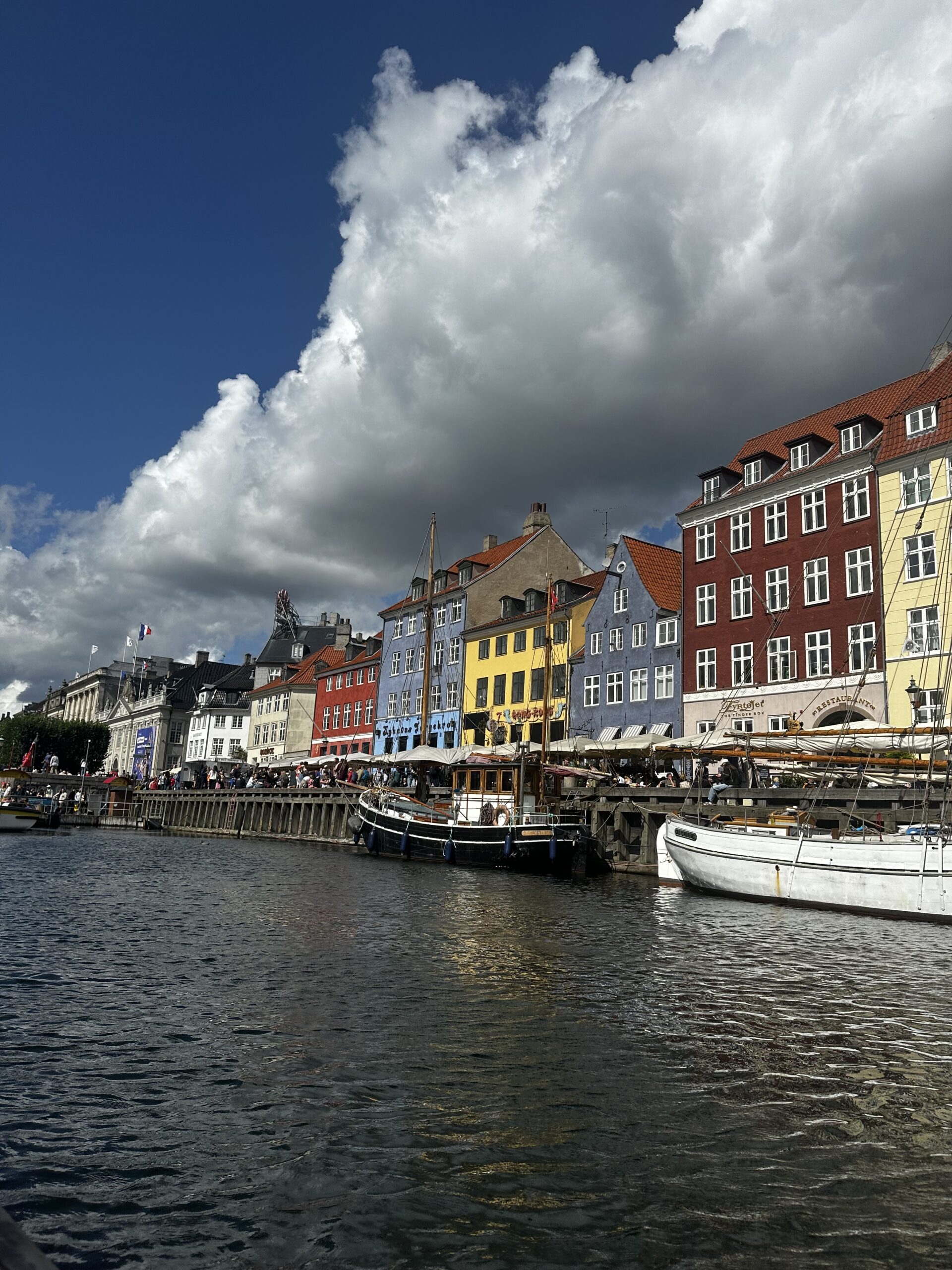
We visited Denmark as a couple first, and later returned with kids in tow. Those two trips felt like different countries — not because Denmark changed, but because traveling with children forces you to look at a place differently. Suddenly the distances between things matter. The food options matter. Whether there is somewhere to sit and eat a snack at 3 pm matters enormously.
The honest answer is yes: Denmark is genuinely family-friendly for Denmark family travel. But it is also expensive, and parts of it work much better for families than others. Here is our real take — not a tourist board version, but the one we’d give a friend over coffee.
Short answerDenmark is one of Europe’s most family-friendly travel destinations. Its cities are compact and walkable, public transport is excellent, and the culture genuinely values children. Legoland alone justifies a trip for kids under 12. The main drawback is cost — Denmark is expensive, and a family of four can burn through a daily budget quickly without planning. With some prep, it is very manageable.
In this guide- Why Denmark works so well for families
- The best family destinations in Denmark
- Getting around Denmark with kids
- What to eat (and what to skip) with children
- How much a family trip to Denmark actually costs
- Practical tips for traveling Denmark with kids
- Mistakes we made
- Frequently asked questions
Why Denmark works so well for families
Most countries that claim to be family-friendly are simply countries where children are tolerated. Denmark is different. The national culture — built around hygge, a relaxed pace, and an emphasis on childhood well-being — means children are genuinely welcomed almost everywhere. Restaurants do not just offer a kids’ menu as an afterthought; they offer space, patience, and high chairs without being asked.
The structural advantages for family travel
- Compact cities: Copenhagen, Aarhus, and Odense are all cities where the main attractions sit within 20–30 minutes of each other. Smaller children do not need to be dragged across vast distances between sites.
- Excellent cycling infrastructure: Copenhagen’s cycling network is safe enough for children from about age six. Rental bikes with child seats or cargo bikes are easy to find and transform how you move around the city.
- Very safe environment: Denmark consistently ranks among the world’s safest countries. It is the kind of place where older children can walk a few blocks alone without parents tensing up.
- Clean public spaces: playgrounds, parks, and beaches are well maintained. Even at peak summer the public toilets are clean and accessible.
- Short internal distances: the entire country is not much bigger than a large national park elsewhere. You can drive from Copenhagen to Legoland in Billund in roughly three hours. The logistics that make family travel exhausting elsewhere simply do not apply at the same scale.
What surprised us most
- The quiet respect for nap times: Danish culture is genuinely built around child rhythms. Cafes had quiet corners. Parks had shaded benches. Nobody glared when our toddler melted down at lunch.
- The beach culture: Danish beaches — particularly on the west coast of Jutland and around Bornholm — are among Europe’s cleanest and most child-friendly. The water is calmer than the North Atlantic coast and the wide sandy flats are ideal for small children who want to run in and out of the surf.
- Kids eat free or cheap: many Danish restaurants and cafes offer children under 12 a free or very reduced plate when adults eat. It does not offset the general cost of the country, but it helps.
The best family destinations in Denmark
Denmark rewards a multi-city approach for family trips. Each major city has a distinct character, and the countryside and islands fill the gaps between them with some genuinely memorable experiences.
Copenhagen: the obvious anchor
- Tivoli Gardens: the world’s second-oldest amusement park and still one of the best. It has rides calibrated for every age — gentle carousels for toddlers, proper coasters for older kids, and enough beautiful gardens and food stalls to keep adults engaged. Evening illuminations in summer are genuinely magical.
- The National Aquarium (Den Blå Planet): Denmark’s flagship aquarium is architecturally stunning and the children’s interactive zones are some of the best we’ve seen in Europe. Budget two hours minimum.
- Nørreport neighbourhood and Ørsted Park: on a sunny afternoon, the parks around Nørreport are full of Danish families. Cheap ice cream, rental paddleboats, and open grass — the unglamorous kind of afternoon that ends up being the memory your children keep.
- Nyhavn canal: touristy but forgiving. The coloured facades, boats, and wide waterfront promenade give children room to move while adults get coffee. Works at almost any time of year.
Billund and Legoland
- Legoland Billund: the original. For children aged 2 to 12, this is one of the best theme parks in Europe. The rides are thoughtful — there is nothing gratuitously frightening — and the miniature world section built from millions of Lego bricks holds genuine adults for longer than most would admit.
- Lego House: just a few minutes from the park, the Lego House is the brand’s architectural centrepiece and is frankly better than the park for children over eight. The creative zones — where you build, test, and solve problems with Lego — are hours of genuinely absorbing play.
- Billund itself: a small town that exists essentially because of Lego, but it is clean, walkable, and has good family hotels with pools. Worth a two-night stay anchored by the park and house.
Aarhus, Odense, and beyond
- Aarhus: Denmark’s second city has ARoS — the rainbow panorama art museum with the famous circular walkway — and a vibrant waterfront. Older children and teenagers respond very well to it. In 2026 the opening of the James Turrell “Dome” installation adds a genuinely unusual experience for families who want something beyond the standard.
- Odense (Hans Christian Andersen’s birthplace): a pleasant, manageable city with a strong children’s cultural offering. The H.C. Andersen museum is interactive and imaginative — better for ages 6 and above.
- Bornholm island: accessible by overnight ferry from Copenhagen. Rocky coastline, old smokehouse villages, sandy beaches in the north, and a pace of life that makes it feel like a world apart. An excellent choice for families who want a slower Denmark experience.
Family trips, honest writing.
Monthly notes from our life in Finnish Lapland — places we’ve been, things we’ve learned, and the kind of travel advice that takes time to write.
Getting around Denmark with kids
Transport in Denmark is one of its great strengths for family travel. The country is small enough that almost any journey by road or rail is manageable within a day, and the public transport quality is high even by Scandinavian standards.
- Train (DSB): the Danish national railway connects Copenhagen, Aarhus, Odense, and most major towns. Trains are clean, punctual, and have dedicated family carriages with play areas on longer routes. Children under 12 travel free with a paying adult on weekends.
- Rental car: the most flexible option if you want to mix cities with the west Jutland coast or Legoland. Car seats are mandatory and available from all major rental agencies. Roads are excellent and speed limits are sensibly enforced.
- Cycling in Copenhagen: cargo bike rentals are available across the city and transform the experience for families with small children. Dedicated cycle paths are separated from traffic throughout most of the city. The infrastructure is genuinely among the best in the world.
- Ferries: Denmark has an extensive domestic ferry network connecting the islands. Most ferries have children’s play areas and good cafeteria food. The Copenhagen–Bornholm overnight ferry is a memorable experience for children who’ve never slept on a boat.
- Internal flights: not usually necessary given the country’s size, but Copenhagen–Aalborg connections exist for northern Jutland visits.
What to eat (and what to skip) with children in Denmark
Danish food culture is not what many parents fear. The open-faced sandwiches and fermented fish of New Nordic cuisine stay in the restaurants with tasting menus. At street level, Denmark is a country of hot dogs, excellent pastries, and simple, well-prepared produce.
- The Danish hot dog: pølsevogn — the iconic red sausage kiosk — is everywhere and brilliant. A proper Danish hot dog with remoulade, fried onions, and pickled cucumber costs around €3–4 and children universally love them. It is genuinely good street food, not a consolation prize.
- Smørrebrød (open sandwiches): the traditional Danish lunch is more accessible to children than the name implies. Mild toppings — roast beef with pickles, egg and prawn, plain cheese — are child-friendly. The rye bread is nutty and filling. A good smørrebrød lunch for a family of four runs €25–40.
- Bakeries: the Danish pastry (wienerbrød) is not the Danish pastry you know from coffee chains. Eaten fresh from a Copenhagen bakery — still warm, lightly glazed — it is genuinely one of the world’s great pastry traditions. Children need no convincing.
- Supermarkets: Danish supermarkets (Netto, Lidl, Føtex) stock excellent ready-made food, local dairy, and good fruit. Self-catering a picnic and a breakfast at the accommodation saves significant money without sacrificing quality.
- Skip: the expensive tourist-district restaurants in Nyhavn. The food is fine but the cost-to-quality ratio is poor. Walk two streets back and the same meal is a third cheaper.
How much a family trip to Denmark actually costs
Denmark is one of western Europe’s most expensive countries. There is no polite way to say it. A family trip here costs more than a comparable trip to Spain, Portugal, or Poland. But it is not as punishing as Norway or Iceland, and if you plan around it, the value is strong because the quality is consistently high.
- Accommodation: a family room in a three-star Copenhagen hotel runs €150–200 per night in summer. An apartment via Airbnb with a kitchen averages €120–160. Outside Copenhagen, prices drop by 20–30%. Budget for €100–170/night depending on location.
- Meals: a family of four eating in a mid-range restaurant: €70–110 for a main meal. Hot dogs and bakery stops: €10–15 for the family. Supermarket picnic: €20–30. Budget roughly €80–120/day on food if mixing restaurant meals with self-catering.
- Attractions: Tivoli (day admission): around €23/adult, children under 8 free with a paid adult. Legoland: approximately €50/adult, €44/child (book in advance for discounts). Many Copenhagen museums are free for children under 18.
- Transport: a 5-zone Copenhagen transit card covers the city and airport and is very affordable. A car rental for one week with child seat: €200–350 depending on season and vehicle.
- Realistic total for 7 days, family of two adults and two children (6 and 9): €2,800–3,600 all-in, including flights from Helsinki.
Practical tips for traveling Denmark with kids
Here is what we tell every family we know who asks us about Denmark before they go.
- Book Legoland in advance. Summer queues without a skip-the-line option are brutal. The park sells timed entry that genuinely helps. Book at least 2–3 weeks ahead in June and July.
- Stay in an apartment, not a hotel, if your children are under 6. Kitchen access for early breakfasts and late snacks, the ability to do a half-load of laundry, and an extra room for naps are worth far more than hotel breakfast.
- Visit Tivoli in the evening, not midday. The illuminations, the music, and the slightly cooler evening temperature in summer make the 6–10 pm visit incomparably better than the 11 am one. Book dinner there one night — it does not have to be the expensive restaurants; the food stalls are very good.
- Pack a rain layer. Denmark gets sudden showers even in June and July. Waterproof layers for children are not optional if you want to avoid the miserable rainy afternoon trapped in a cafe scenario.
- Download the Rejseplanen app (Danish national transport planner) before you arrive. It covers buses, trains, and ferries across the whole country and is among the best public transport apps in Europe.
- Use the west Jutland coast as a counterpoint to Copenhagen. The North Sea beaches around Blåvand and Hvide Sande are wide, white, and child-ready. After two or three days in a busy city, an afternoon throwing stones into the North Sea resets everyone.
- Buy Lego at home, not at Legoland. The sets at Legoland and Lego House are full price or above. The nostalgia surcharge is real. Buy whatever you plan to bring home from a supermarket in Denmark (cheaper) or simply order online before the trip.
Mistakes we made
We would rather be honest about what went wrong than write a guide that only shows the highlights.
- Underestimating the cost of eating out every meal. We budgeted for Scandinavian prices but treated Denmark like Norway — and it is noticeably cheaper. However, we still ate out too often the first few days and blew through our food budget by day four. Supermarket mornings and one restaurant evening per day is the right rhythm.
- Arriving at Legoland on a Saturday in July. Obvious in hindsight. Even with tickets pre-booked, the park was overwhelmingly full. A Tuesday visit in the same week would have been a completely different experience. Midweek, go. Weekends, reconsider.
- Skipping Odense. We spent all our time between Copenhagen and Legoland on our first trip and only discovered Odense on the second. It is a genuinely lovely, unhurried city that is ideal for families who want something slower than Copenhagen without the drive to Jutland.
- Not renting bikes on day one. We spent the first Copenhagen morning navigating metro changes with a pushchair before someone suggested a cargo bike rental. Within an hour we were covering three times the ground, the children were delighted, and the city made far more sense spatially. Hire bikes from the moment you arrive.
- Forgetting sunscreen for the North Sea beach. The west coast sun bounces off white sand and sea simultaneously. Even on a cloudy day in July, one of our children got a mild burn. Denmark does not feel like a sun destination, so it catches you off guard.
Frequently asked questions
At what age is Denmark a good family destination?
Honestly, from birth. But the sweet spot for maximum child engagement is ages 4–12 — old enough to enjoy Legoland, Tivoli, and the H.C. Andersen museum, young enough that the cultural and historic sites are supplementary rather than the main attraction. Teenagers respond well to Copenhagen’s design, food, and cycling culture once you get them out of the airport.
Is Denmark safe for family travel?
Extremely. Denmark consistently ranks as one of the world’s safest countries and the cities feel genuinely calm and ordered. Petty theft in busy tourist areas of Copenhagen happens — keep bags closed and phones pocketed in Nyhavn — but violent crime is rare and the general atmosphere is relaxed. It is the kind of country where children can play freely and parents relax a degree more than in most European capitals.
Do children get free entry to attractions in Denmark?
Many museums offer free entry to children under 18, including the National Museum of Denmark, the Viking Ship Museum in Roskilde, and most Danish state-run museums. Commercial attractions like Tivoli and Legoland charge for children over a certain age (typically 3 or 4) but offer discounts for young children and family bundles. Always check online before buying tickets at the door.
Is Denmark worth visiting with a baby or toddler?
Yes, but the calculation shifts. You will not get the full Legoland or Tivoli experience, but Denmark’s café culture, parks, beaches, and slow pace are genuinely excellent for families with very young children. The stroller infrastructure in Copenhagen is good: most cobblestone streets have paved edges, lifts are standard in metro stations, and cafes almost universally have space for a pram.
What is the best time of year to take children to Denmark?
June and July for beaches and long evenings. May and late August for fewer crowds at Legoland and Tivoli. We find late August to early September our personal sweet spot: summer prices are dropping, the weather is still warm, and the peak school holiday crowds have thinned. December is genuinely magical for Christmas markets but requires layering for very young children.
How does Denmark compare to Sweden or Norway for a family trip?
Denmark is more compact, more urban, and more child-attraction-dense than both. Norway has stunning nature but higher costs and fewer child-specific attractions per square kilometer. Sweden sits in between — excellent cities, beautiful countryside, but without the Legoland anchor that Denmark offers. For a first Scandinavian family trip with children under 12, Denmark is the most immediately rewarding choice.
Joona & Alla
A Finnish-Ukrainian couple living in Rovaniemi, Finland. Joona is a marketing professional in Lapland tourism; Alla is an AI Engineer. Together we’ve visited 25 countries and share honest, locally-grounded travel writing from our home in the Arctic.
Read our full story →