Renting a Campervan in Iceland for the First Time: What We’d Tell You Before You Sign Anything
We’ve road-tripped Iceland by campervan more than once, and the questions we get from first-timers are always the same — licences, deposits, that pickup inspection. Here’s the honest walkthrough.
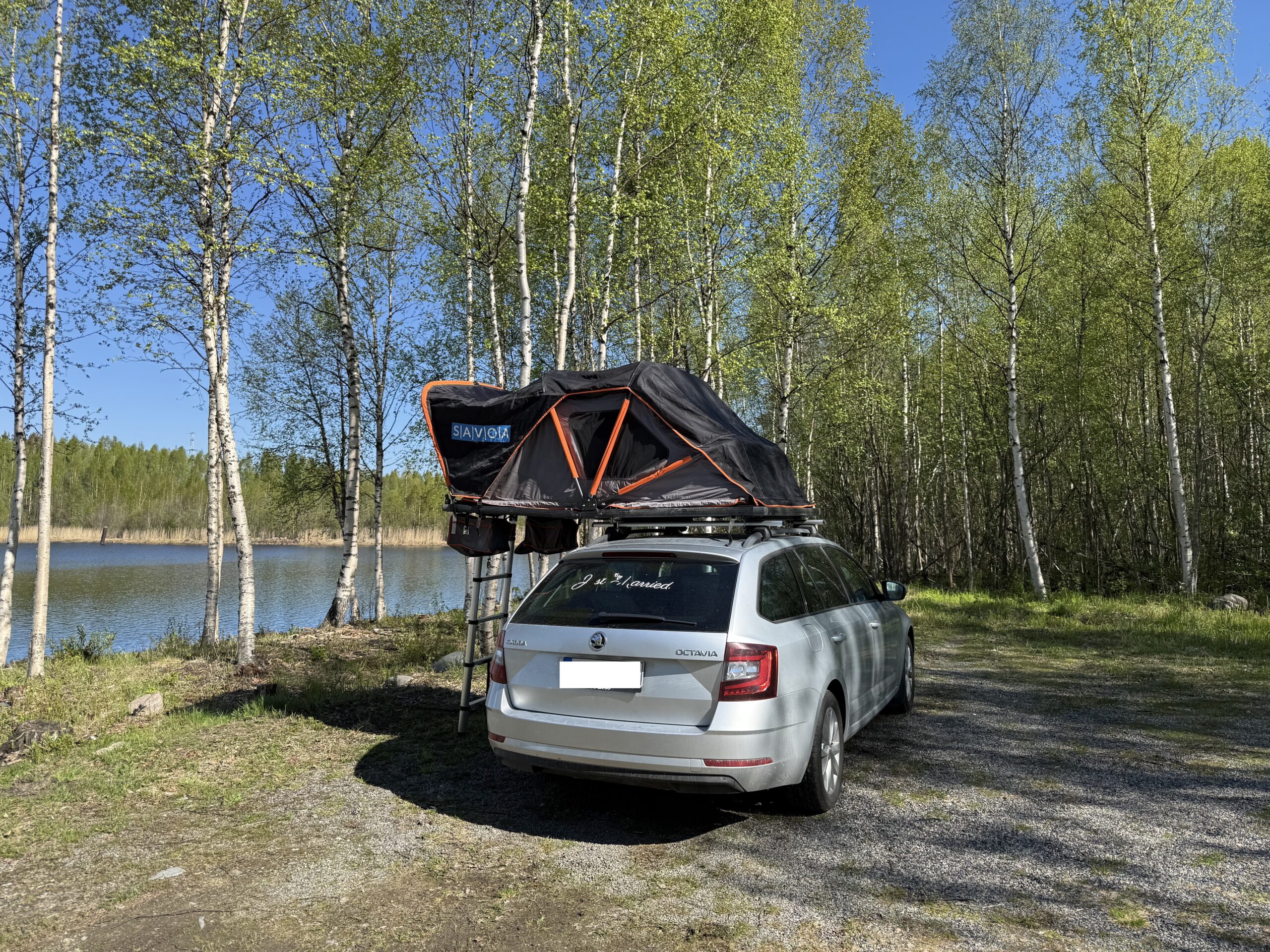
“Do we actually need the 4×4, or is that just upselling?” is one of the first questions we get from readers planning their first Iceland campervan trip — usually followed by “what’s this deposit going to actually cost us” once they start looking at rental terms. Both are fair questions, and both have honest answers that a rental company’s own booking page won’t always spell out for you.
We’ve driven Iceland by campervan more than once, alongside our wider Nordic road-tripping out of Rovaniemi, and this is the walkthrough we wish someone had handed us before our first pickup counter conversation: licences, deposits, the inspection that actually protects you, and what the driving is really like once you’re past the rental desk.
Renting a campervan in Iceland for the first time comes down to four things: a full driving licence held for at least a year, a credit card for the deposit (not a debit card, in most cases), gravel and F-road insurance you actually understand before you drive off, and fifteen honest minutes doing the pickup inspection instead of signing on autopilot. Get those right and the actual driving is the easy part. Compare current rental prices and companies for Iceland at CampervanPlanet — code HUNGRYTRAVELFAMILY5 takes 5% off.
What “renting for the first time” actually means in Iceland
Iceland isn’t a place where you rent any car and figure it out as you go — or rather, you can, but it’s the fastest way to end up paying for a windscreen chip or a river-crossing you shouldn’t have attempted. The first real decision is 2WD campervan versus 4×4: a standard 2WD camper is genuinely fine for the Ring Road and most of the south and west coast in summer, while anything touching the interior Highlands or F-roads needs a proper 4×4, full stop — insurance won’t cover you otherwise, and neither will common sense.
The second decision is campervan versus car-plus-tent. A small campervan costs more per day to rent, but it removes the “where do we pitch a tent in horizontal Icelandic rain” problem entirely, which is worth a lot on a first trip. We’ve done both. For a first-timer, we’d lean campervan every time.
Do you need a special licence or experience?
For a standard campervan, no — a full car driving licence held for at least a year is the usual requirement, and most rental companies want drivers to be 20 or older (sometimes 23 for larger vans or 4x4s, with a young-driver surcharge below that). You don’t need any special certification, and you don’t need prior camper experience.
What you do need is confidence with a slightly larger, slower vehicle in wind. Icelandic gusts are not a joke, especially in the south and east — there are genuinely stretches where a strong crosswind can push a high-sided van, and local advice (and often the rental contract itself) is to slow right down or pull over rather than push through it.
Deposits, insurance and the excess everyone forgets
Almost every Iceland rental holds a deposit on a credit card, and it can be a genuinely large number — often somewhere in the four figures in euros — released back to you if the van comes back undamaged. Debit cards are frequently not accepted for this, so check before you fly, not at the counter.
Then there’s the insurance stack, which trips up more first-timers than anything else: standard collision damage waiver, then separate add-ons for gravel protection (chipped windscreens and paintwork from loose stones are extremely common and often not covered by the basic policy), sand and ash protection if you’re near certain coastal or volcanic areas, and a river-crossing waiver if you’re anywhere near an F-road. Read what your base excess actually is before you decline any of these — a €2,000 excess with no gravel protection is a very different risk to a €300 excess with it.
💡 Our campervan tip: prices for the same van vary a lot between rental brands. We compare Iceland campervans across 160+ rental companies on CampervanPlanet — and code HUNGRYTRAVELFAMILY5 takes 5% off.
Picking up the van: the inspection that actually matters
This is the fifteen minutes that saves the argument at drop-off. Walk the entire van with your phone camera on, out loud, narrating what you’re filming — every existing scratch, chip, and scuff, especially low down near the wheel arches and the windscreen edges, which is where gravel damage concentrates. Photograph the fuel gauge, the odometer, and the interior (upholstery stains, cracked trim) before you drive away.
Don’t rush this because a queue is forming behind you or a staff member is clearly ready to move on to the next customer. A rental company that gives you grief for taking your time on the walkaround is not one you want to be dealing with over a disputed damage claim three weeks later.
What driving a campervan in Iceland actually feels like
The Ring Road itself is well-paved and, honestly, an easy drive for anyone used to normal motorway conditions — the main adjustments are single-lane bridges (yield to whoever’s already on the bridge), gravel sections in the east and parts of the north that require slowing down properly, and the wind mentioned above. A campervan is taller and catches more of that wind than a standard car, so give yourself more margin on exposed coastal stretches, particularly around Vík and along the south coast.
Fuel stations thin out fast once you’re past the main Ring Road towns — fill up whenever you’re below half a tank rather than waiting for a warning light, since some stretches genuinely run 100–150 km between stations. Self-service pumps are the norm and take chip-and-PIN cards; a few older rural pumps can be fussier, so carrying a small amount of local currency as backup isn’t a bad idea.
Camping rules and where you’re actually allowed to stay
Iceland tightened up wild camping rules some years ago, and it’s stricter than people expect coming from Norway or Sweden: camping outside designated campsites is now restricted in most popular areas, and rangers do enforce it with on-the-spot fines in the busiest regions. The practical answer for a first trip is to plan around the country’s extensive campsite network rather than count on finding a free spot — most campsites are inexpensive, have proper facilities, and in peak summer some now require booking ahead through their own systems.
If your rental is a proper campervan with a kitchen setup, cooking at the campsite rather than eating out every night is also where a lot of the cost of an Iceland trip disappears to, or doesn’t — groceries in Reykjavík before you leave the city are noticeably cheaper than anything you’ll find once you’re on the road.
What we’d tell a first-timer, honestly
If we were doing this again for the first time: book the gravel protection without hesitating over the extra cost, take the full fifteen minutes on the pickup inspection every single time, and don’t stretch your budget onto a 4×4 and F-road plan unless you’re actually confident about river crossings — a 2WD camper and the Ring Road is a completely satisfying first Iceland trip on its own. For where we’ve broken down the actual day-to-day numbers, our campervan rental guide has our fuller Nordic cost comparisons, and our full cost breakdown for renting in Iceland goes deeper into daily rates by season if budget is your main question right now.
Timing matters more than almost anything else here too — our guide to the best time to rent a campervan in Iceland covers how shoulder-season dates change both the price and the driving conditions you’ll actually face.
Whenever you’re ready to compare current rental prices across companies for Iceland, code HUNGRYTRAVELFAMILY5 takes 5% off at checkout — it doesn’t affect which van you end up choosing, just what you pay for it.
Book your Iceland campervan
Compare prices across 160+ campervan and motorhome rental brands, get a free 1GB eSIM with every booking — and 5% off with code HUNGRYTRAVELFAMILY5.
Check prices & availability →Frequently asked questions
Do I need international driving experience to rent a campervan in Iceland?
No — a full driving licence held for at least a year is usually enough. You don’t need prior campervan experience, though confidence driving a taller vehicle in strong wind helps.
Is a 2WD campervan enough, or do I need a 4×4?
A 2WD campervan is fine for the Ring Road and most of the south and west coast in summer. A 4×4 is required if you plan to drive any F-roads or into the interior Highlands — insurance generally won’t cover a 2WD there.
How much does campervan rental in Iceland cost?
Prices vary a lot by season, van size and how far ahead you book, so we’d rather point you to a live comparison than quote a single number that goes stale. Compare current rates across rental companies for Iceland, and code HUNGRYTRAVELFAMILY5 takes 5% off whatever you choose.
What insurance add-ons actually matter?
Gravel protection is the one most first-timers skip and regret — chipped windscreens and paintwork from loose stones are common on Icelandic roads. If you’re anywhere near an F-road, a river-crossing waiver matters too. Check your base excess before declining either.
Can I wild camp for free in Iceland?
Not in most popular areas anymore — Iceland restricted wild camping outside designated sites some years ago, and it’s enforced with fines. Plan around the campsite network instead, which is extensive and generally inexpensive.
What should I check during the pickup inspection?
Walk the whole van on video, narrating every existing scratch or chip, especially around the wheel arches and windscreen edges. Photograph the fuel gauge and odometer too. Don’t let a queue or a rushed staff member speed you through it.