Norway in Winter: Tromsø, Lofoten, and the Northern Lights Belt
We drove from Tromsø to Lofoten in polar darkness, slept in a fisherman’s cabin at −18°C, and watched the aurora fold across a fjord so still it reflected the sky twice. Here’s what Norway in winter is actually like — and whether it’s worth the cold.
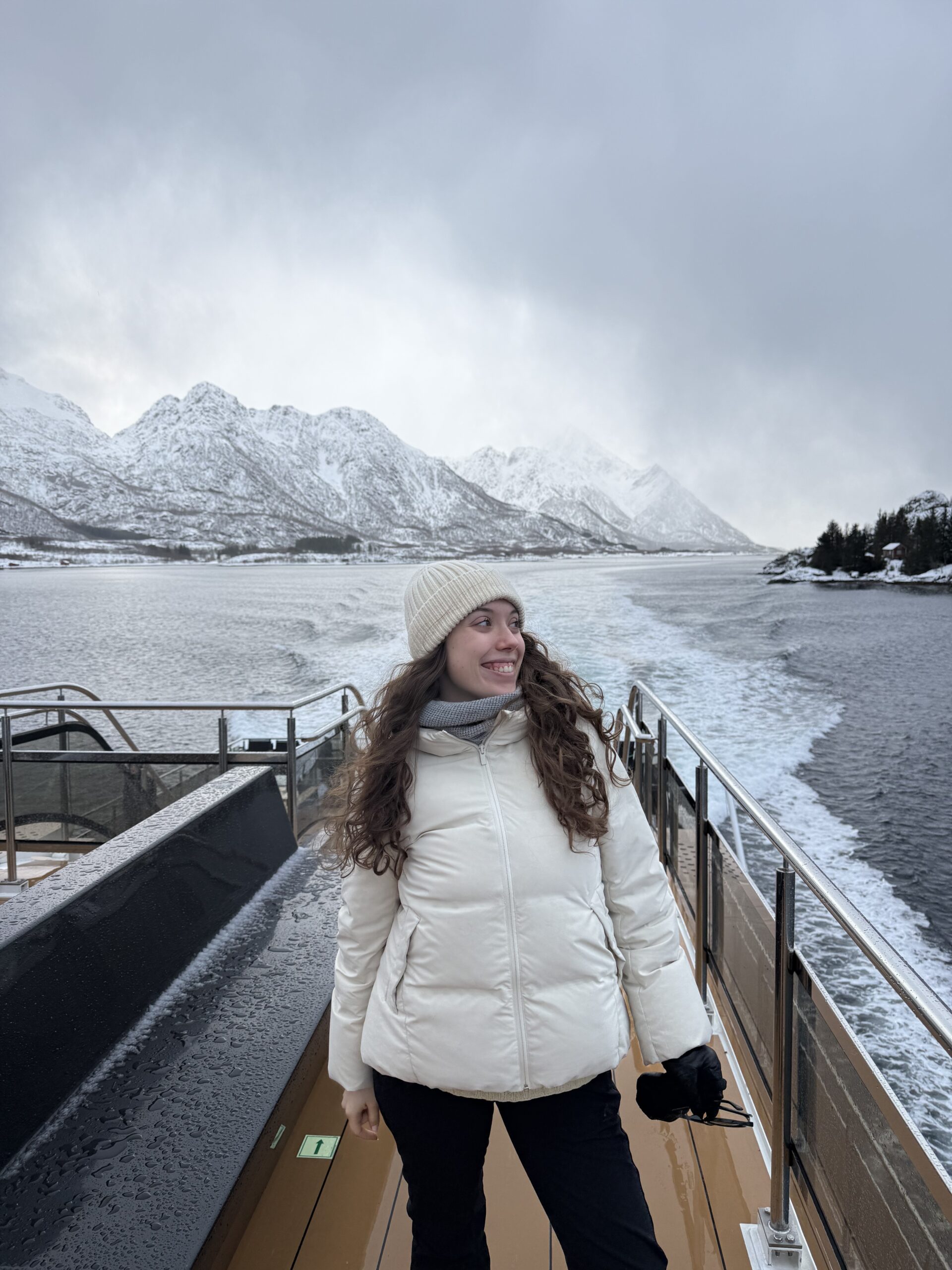
We live in Rovaniemi, right on the Arctic Circle, so Norway in winter isn’t exotic to us — it’s the neighbor we keep going back to. We’ve driven the E6 through whiteout blizzards, stood on the beach at Uttakleiv watching the aurora ripple above a frozen sea, and eaten more cups of instant noodles in cold car parks than we’d like to admit. Norway in winter is one of the most visually staggering places on Earth, but it demands preparation, patience, and a genuine tolerance for darkness.
This guide covers the stretch we know best: the northern lights belt from Tromsø through Senja to Lofoten, with honest notes on weather, costs, driving, and the mistakes we made so you don’t have to.
Norway in winter is spectacular for northern lights, dramatic fjord scenery, and Arctic experiences like dog sledding and whale watching. The best base is Tromsø for accessibility and aurora tours, or Lofoten for photography and solitude. Visit January–February for peak darkness and the highest aurora odds, budget €120–200/day as a couple, and bring serious cold-weather gear.
- Why Norway’s northern coast is different in winter
- The northern lights belt: Tromsø to Lofoten
- Quick-reference: winter Norway at a glance
- What to pack for Norway in winter
- Driving northern Norway in winter: the honest version
- Budget breakdown: what Norway in winter actually costs
- The mistakes we made on our first winter Norway trip
- FAQ
Why Norway’s northern coast is different in winter
Most people picture Norway in summer — midnight sun, green fjords, hiking trails. Winter is the opposite world. North of the Arctic Circle, the sun doesn’t rise for weeks in December and January. The light you do get is a blue-purple twilight that lasts a few hours around midday, painting the mountains and fjords in colors that don’t exist anywhere else.
Polar night vs. blue light
The term “polar night” sounds terrifying, but in Tromsø it’s more atmospheric than oppressive. Even during the darkest weeks (roughly November 21 to January 21), the sky shifts through deep blues, pinks, and oranges at midday. You get about 2–4 hours of usable twilight. It’s enough to explore, photograph, and feel alive — and then the real show begins when it gets properly dark and the aurora appears.
The Gulf Stream effect
Here’s what surprises most visitors: Tromsø at 69°N is warmer than Rovaniemi at 66°N. The Norwegian coast benefits from the Gulf Stream, which keeps temperatures relatively mild. A typical January day in Tromsø hovers around −4°C to −7°C. Compare that to our home in Finnish Lapland, where −20°C is a normal Tuesday. The trade-off? Norway’s coast gets more cloud, more wind, and more unpredictable weather. Clear skies are a gift, not a guarantee.
The northern lights belt: Tromsø to Lofoten
The stretch from Tromsø south through Senja to Lofoten is, in our opinion, the most rewarding winter road trip in Europe. Every hour of driving delivers a different landscape, and on clear nights the aurora follows you the entire way.
Tromsø: the gateway
Tromsø is the practical starting point. It has an international airport with direct flights from London, Oslo, and Stockholm. It has restaurants, a brewery, the Arctic Cathedral, and a Mack ølhallen worth visiting when the weather is terrible (which it often is). Most importantly, Tromsø is the hub for organized aurora-chasing tours — minibuses that drive 1–2 hours inland toward the Finnish border, chasing clear patches in real time.
We’ve done the guided tour and the self-drive approach. If you don’t have a car, the guided tour is excellent — the driver reads the cloud map like a pilot reads instruments. If you do have a car, drive toward Kvafjord or the Lyngen Alps on clear nights. The further from the coast, the better.
Senja: the quiet middle
Senja is Norway’s second-largest island and remains bizarrely under-visited in winter. The drive from Tromsø takes about 2.5 hours via the Gisund bridge. The western coast — Husøy, Mefjordvær, Bergsfjorden — offers the same jagged mountain-meets-sea drama as Lofoten but with a fraction of the visitors. We had a beach to ourselves at sunset (such as it was in January) and saw more sea eagles than people.
The downside: Senja has fewer accommodation options in winter, and some roads close in bad weather. Check vegvesen.no before you drive.
Lofoten: the headliner
Lofoten in winter is absurd. Snow-capped mountains rise straight from black water. Rorbuer (red fisherman’s cabins) sit at the water’s edge under a sky that shifts between deep blue twilight and neon-green aurora. Reine, Hamnøy, Sakrisøy, and the beaches at Uttakleiv and Skagsanden are some of the most photographed winter landscapes on the planet — and they earn it.
We spent four nights in a rorbu near Reine. Two of those nights were cloudy. One was partly clear with a faint aurora arc. The fourth was a KP 5 storm that lit the sky for three hours straight. That one night justified the entire trip. But you need to be honest with yourself: Lofoten’s coastal weather means aurora odds per night are lower than inland Finnish Lapland. Book at least 3–4 nights.
Quick-reference: winter Norway at a glance
- Best months: January and February (peak aurora, peak darkness, driest inland weather)
- Temperatures: Tromsø −4°C to −7°C average; Lofoten 0°C to −5°C; inland can drop to −15°C
- Daylight in January: Tromsø has no sunrise, but 2–4 hours of blue twilight; Lofoten gets brief sunrise by late January
- Northern lights odds: 50–70% per night in clear conditions; factor in cloud cover and realistic odds are 35–55% per night
- Getting there: Fly to Tromsø (TOS) — Scandinavian Airlines, Norwegian, Widerøe. Lofoten has Leknes (LKN) and Svolvær (SVJ) airports with small-plane connections via Bodø
- Currency: Norwegian krone (NOK). Budget €120–200/day as a couple for mid-range travel (car + rorbu + groceries + one activity)
- Driving: Winter tires are mandatory. Studded tires recommended. Roads are maintained but can close in storms — check vegvesen.no daily
- Key experiences: Northern lights, whale watching (Nov–Jan), dog sledding, snowshoeing, Arctic Cathedral, Reine viewpoint, Uttakleiv beach
Honest Arctic stories, once a month
We share what we’re learning about northern travel, no spam, no fluff. Written from 66°N.
What to pack for Norway in winter
We’ve learned this through painful trial and error. Norway’s coast is warmer than Finnish Lapland but windier and wetter, which makes layering slightly different.
- Merino wool base layers (top and bottom). Not cotton. Cotton kills in cold wind. Merino regulates temperature and doesn’t smell after three days.
- Insulated mid-layer. A down or synthetic jacket you can wear under your shell. We use Patagonia Nano Puff — light, packable, warm.
- Windproof and waterproof outer shell. Norway’s coast gets horizontal rain even in January. A Gore-Tex shell over your down layer is non-negotiable.
- Insulated, waterproof winter boots. Sorel or similar — rated to at least −30°C. The ground is icy, the beaches are wet, and cold feet end every aurora-watching session early.
- Multiple pairs of warm gloves. We carry thin liner gloves for operating the camera plus heavy insulated mittens for waiting. Your hands will be the first thing that gets cold.
- Balaclava or buff + warm hat. Wind on the Norwegian coast cuts through anything less.
- Hand and toe warmers. Cheap, disposable, and absolutely worth it. We buy them in bulk at Clas Ohlson in Tromsø.
- Headlamp. It’s dark by 3 pm. You’ll use it more than you expect.
Driving northern Norway in winter: the honest version
Driving in northern Norway in winter is beautiful and occasionally terrifying. Here’s what we wish someone had told us before our first trip.
- Winter tires are mandatory by law from November 1 to the first Sunday after Easter. Rental cars come with them. Request studded tires (piggdekk) if available — they make a genuine difference on ice.
- The roads are narrower than you expect. The E10 to Lofoten is a two-lane road with no shoulder in places. When a truck comes the other way in a snowstorm, you grip the wheel and hope.
- Check vegvesen.no before every drive. Roads close without much warning. The E10 between Svolvær and Reine and the coastal roads on Senja can shut in high winds or heavy snow. Have a backup plan.
- Daylight driving windows are short. In January, you have maybe 3 hours of usable twilight. Plan your scenic drives around midday. Everything else is headlight driving through darkness.
- Fuel up at every opportunity. Gas stations are sparse between towns. We once drove 140 km with the fuel light on because we assumed there’d be a station “soon.” There was not.
- Parking for aurora viewing is informal. Pull off at viewpoints or beaches. Keep your hazard lights on. Don’t block the road. Other aurora hunters will share the spot happily — it’s a quietly communal experience.
Budget breakdown: what Norway in winter actually costs
Norway is expensive. We won’t sugarcoat it. But winter is shoulder season for most of the country, and prices in Lofoten and Tromsø are noticeably lower than in summer.
- Flights: €100–250 return from European hubs to Tromsø (book 6–8 weeks ahead). SAS and Norwegian run the main routes.
- Rental car: €50–80/day including insurance and winter tires. Book through Sixt or Avis at Tromsø airport. AutoPASS tolls add €5–15/day depending on your route.
- Rorbu in Lofoten: €90–160/night for a cabin sleeping 2–4. Off-season rates in January are 30–40% lower than summer. We booked through Booking.com and paid €110/night in Reine.
- Hotel in Tromsø: €80–140/night for a mid-range hotel. Thon or Scandic are reliable chains.
- Groceries: €30–40/day for a couple cooking in a rorbu kitchen. Buy groceries at Rema 1000 or Kiwi — restaurant meals in Norway run €25–40 per person for a main course.
- Activities: Aurora tour €100–150/person, whale watching €130–170/person, dog sledding €150–200/person. Budget for 1–2 paid activities and fill the rest with free aurora hunting, beach walks, and fjord viewpoints.
- Total for 7 days (couple): €1,700–2,800 all-in, depending on accommodation and activities. Self-catering in a rorbu with free aurora hunting brings costs down significantly.
The mistakes we made on our first winter Norway trip
- We underestimated the wind. Our down jackets were warm enough for −25°C in Finnish Lapland, but the Norwegian coastal wind at −5°C felt colder because it cut straight through the down. A windproof shell layer would have fixed this instantly. We bought one in Tromsø the next morning.
- We booked only two nights in Lofoten. Both were cloudy. No aurora. We’ve since learned that three to four nights is the minimum for realistic odds. The friends who stayed a day longer saw a KP 5 storm we still hear about.
- We drove to Lofoten in one push. Tromsø to Reine is about 6 hours in summer. In winter darkness with icy roads and wind, it took us nearly 9 hours. Stop in Senja or Svolvær and break it into two days.
- We didn’t bring a thermos. Standing on a frozen beach for two hours waiting for aurora without hot coffee is a form of voluntary suffering we don’t recommend. A thermos of something warm is the cheapest upgrade to your aurora experience.
- We relied on one weather app. Yr.no is excellent for Norway, but for aurora forecasting you also need the Norwegian Centre for Space Weather and FMI’s aurora forecast. Cloud maps from Windy.com show gaps in real time. Use all three.
- We forgot that Norway uses NOK, not euros. We arrived with euros and found that most small places only accept Norwegian kroner or card. Cards work almost everywhere, but carry some NOK for parking machines and the occasional cash-only situation.
Frequently asked questions
Is Norway worth visiting in winter?
Absolutely, if you come prepared. The northern lights, polar twilight, snow-covered fjords, and winter activities like whale watching and dog sledding make it one of Europe’s most dramatic winter destinations. The trade-off is cold, darkness, and higher costs than most European countries. If you can handle those, it’s unforgettable.
What is the best month to visit Norway for northern lights?
January and February offer the best combination of long dark nights and statistically clearer skies. Late November through early March is the full aurora season. We specifically recommend late January for the balance of darkness, cold-but-manageable temperatures, and whale watching season overlap near Tromsø.
Is it safe to drive in northern Norway in winter?
Yes, if you respect the conditions. Rental cars come with winter tires (request studded). Check road conditions on vegvesen.no daily. Drive slowly, leave extra following distance, and avoid driving in storms. The roads are maintained but narrow, and visibility can drop suddenly. We’ve driven thousands of kilometers in Arctic winter and never had an accident, but we’ve had a few white-knuckle moments.
How cold is Tromsø in January?
Average temperatures in Tromsø in January range from −4°C to −7°C, which is milder than many people expect for 69°N. The Gulf Stream keeps the coast relatively warm. However, wind chill can make it feel much colder, especially on exposed beaches and fjord viewpoints. Dress for −15°C with wind and you’ll be comfortable.
Can you see whales in Norway in winter?
Yes. Orca and humpback whales follow the herring migration to the fjords near Tromsø from November to January. Whale-watching tours depart from Tromsø and typically cost €130–170 per person. The experience is extraordinary — seeing orcas surface against a backdrop of snow-covered mountains in blue polar light is something we still talk about.
Should I visit Tromsø or Lofoten in winter?
Both, if you have time. If you can only pick one: Tromsø for convenience, aurora tours, whale watching, and restaurants. Lofoten for photography, solitude, rorbu cabins, and the most dramatic mountain scenery in Norway. We recommend at least 3 nights in Tromsø and 3–4 in Lofoten for the full experience. Drive between them via Senja for maximum variety.
A final word from Rovaniemi
We live in the Arctic, and Norway in winter still impresses us every time. There’s something about the way the light behaves on the Norwegian coast — the blue twilight hitting the fjords, the snow catching the last glow — that doesn’t happen anywhere else we’ve been. And then the aurora starts, and the whole sky becomes something you couldn’t have imagined from a photograph.
Norway in winter isn’t easy travel. It’s dark, it’s cold, the roads are demanding, and the budget is real. But if you come prepared — warm layers, enough nights, realistic expectations — it rewards you with moments that will sit in your memory for decades. Drive to a quiet beach, pour coffee from a thermos, look up, and wait. The lights will come.
Joona & Alla
A Finnish-Ukrainian couple living in Rovaniemi, Finland. Joona is a marketing professional in Lapland tourism; Alla is an AI Engineer. Together we’ve visited 25 countries and share honest, locally-grounded travel writing from our home in the Arctic.
Read our full story →Going to Tromsø? Our partner tours there
We now work with Legendary Adventure in Tromsø, Norway — small-group northern lights chases, fjord days and snowshoe hikes. Tap a tour for live dates and enter HUNGRYTRAVELFAMILY5 at checkout for 5% off. Read our honest guide to the Tromsø northern lights chase.
 Small group · 5-8 HoursNorthern Lights TourFrom NOK 2 300 per personBook with 5% off →
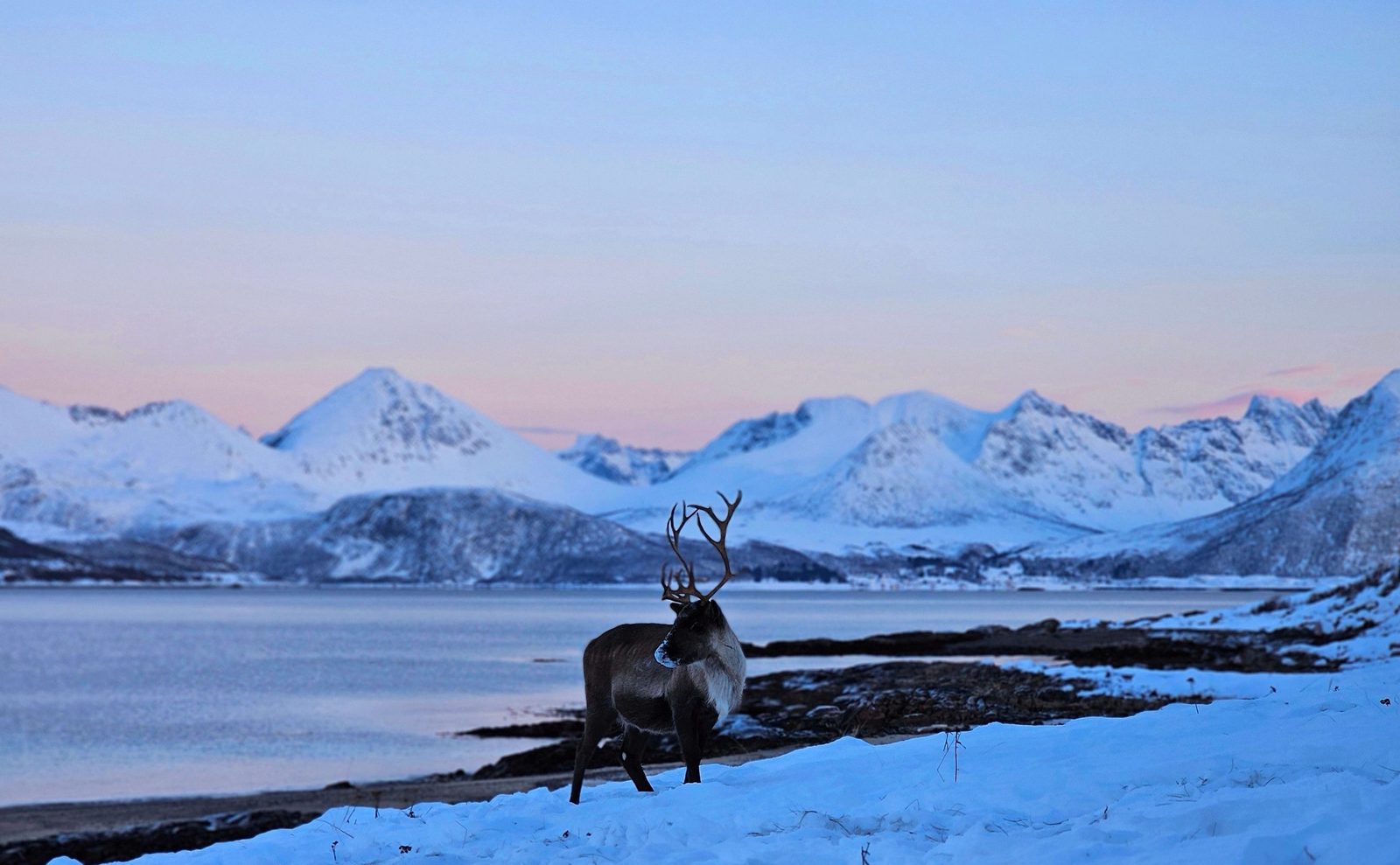 Small group · 5-6 HoursSommarøy & Kvaløya Scenic Fjord TourFrom NOK 2 100 per personBook with 5% off →
 Small group · 4 HoursArctic Snowshoe HikeFrom NOK 1 500 per personBook with 5% off →
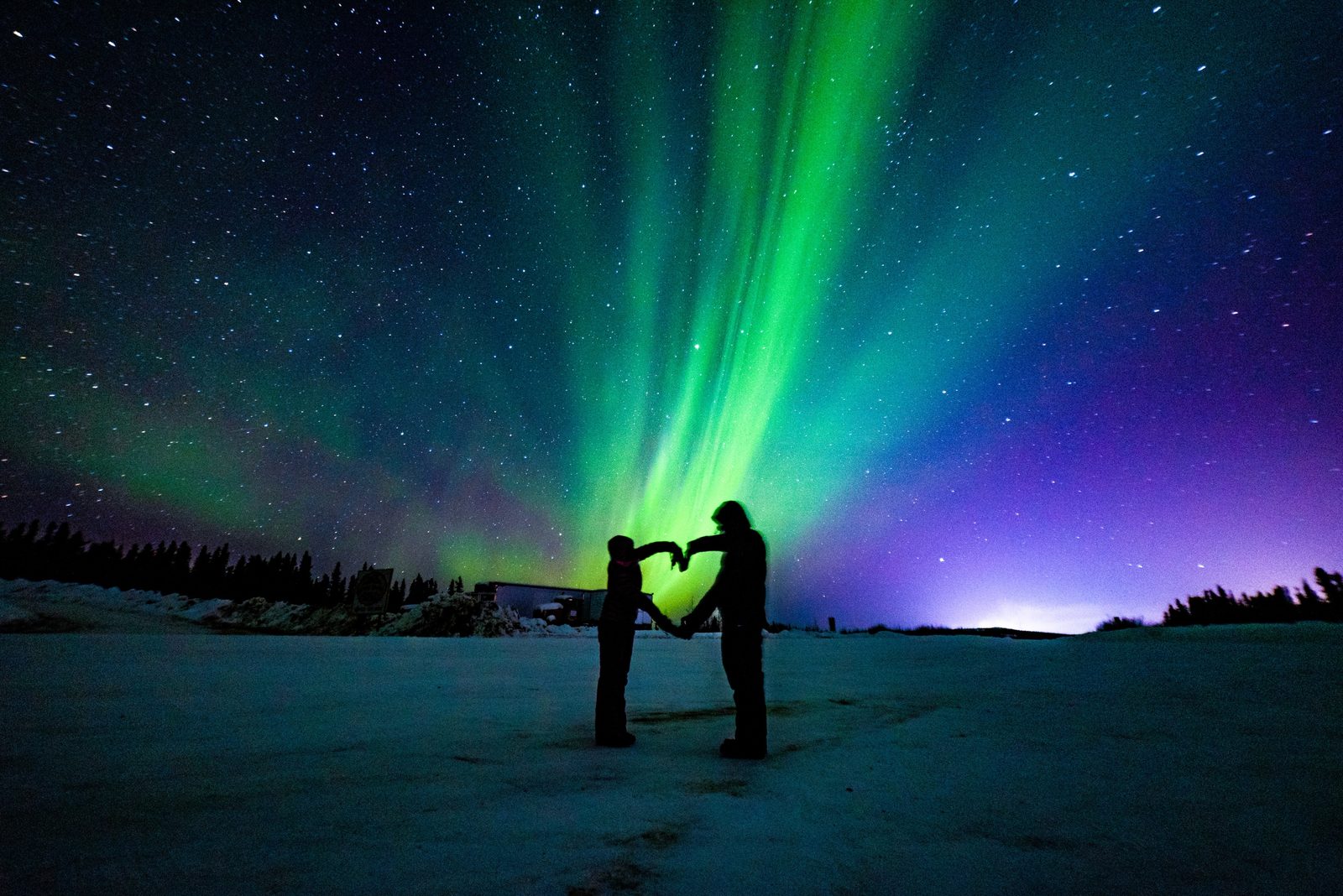 Private · 5-8 HoursPrivate Northern Lights TourFrom NOK 15 000 per group (private)Book with 5% off →
Prices in NOK from the operator’s live calendar. We are Legendary Adventure’s partner and may earn a small commission — it never changes your price.