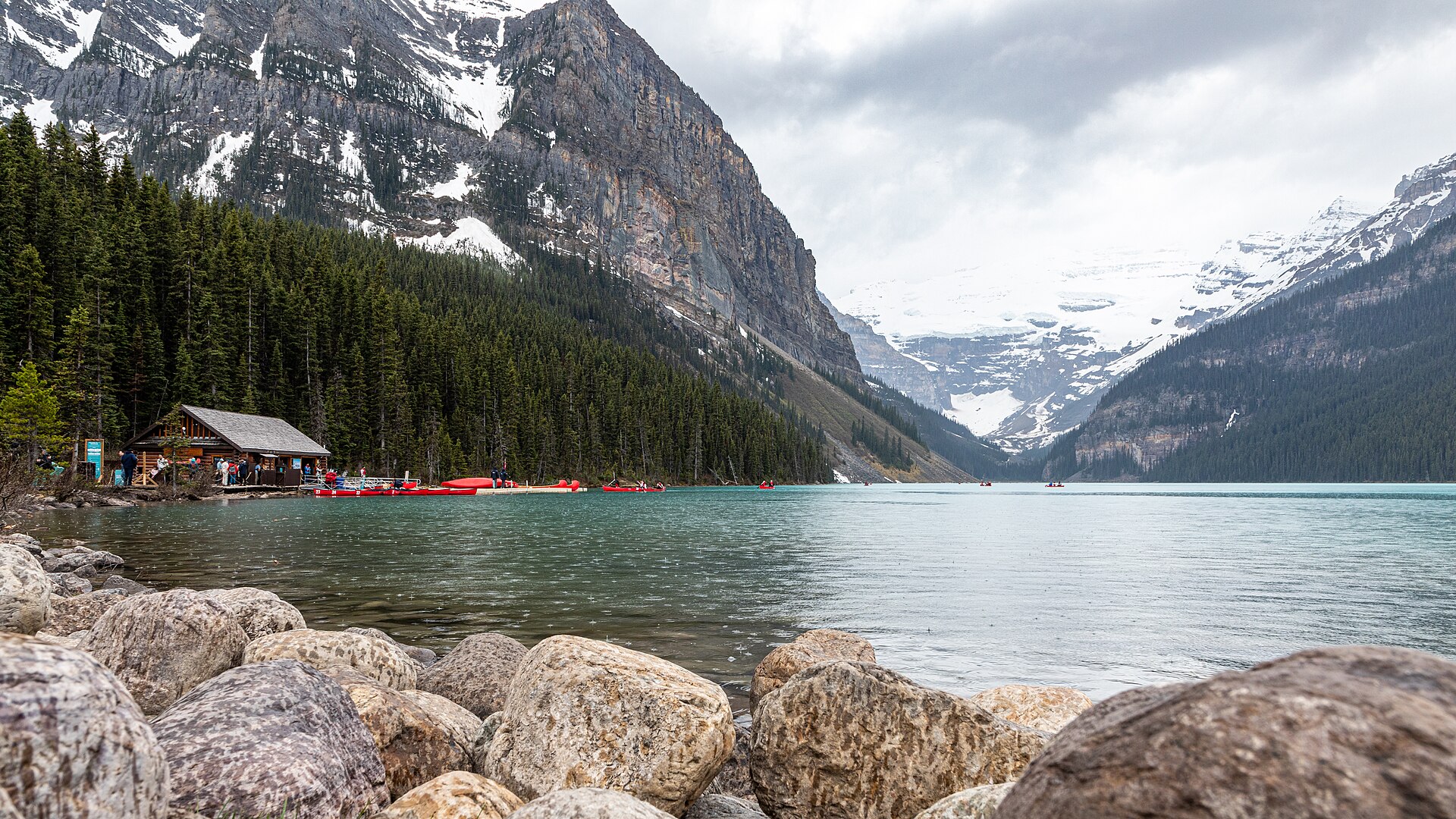
Canada in winter is beautiful, quiet and cold, and every year some travellers wonder whether they can do it in an RV. The short answer is yes, in a limited way, and only with the right expectations. RV rental in Canada in winter is not the same product as a summer trip: fewer campgrounds are open, water systems can freeze and the driving demands winter tyres and patience.
This guide looks at what the CampervanPlanet listing says about the winter season, what to check before you commit and why it is also the right moment to book next summer’s trip. We have not driven a Canadian RV in minus 20, so we stick to the listing and widely known rules, and tell you what to verify. Start with our campervan rental guide if you have not hired an RV before.
Canadian winter (November to March) is a limited RV season, with temperatures from about −20°C to 0°C. When we checked, the cheapest RV for 7 nights from 10 November 2026 and 9 March 2027 started from C$157 a day, against C$197 a day on 8 June 2027. Winter works best as a short, city-based trip with a heated vehicle and winter tyres. For the Rockies and the Icefields Parkway, summer 2027 is the better plan, and booking now secures the best vehicles.
What the listing says about winter
The Canada RV rental page is candid about the season: November to March is described as a limited RV season, with temperatures between about −20°C and 0°C and snow-covered landscapes. It lists six pick-up cities: Vancouver, Calgary, Toronto, Montreal, Halifax and Edmonton.
It also quotes live prices for the cheapest vehicle over a 7-night rental. In our October 2026 search the cheapest vehicle was from C$157 a day for a 10 November 2026 start and the same for 9 March 2027. For comparison, an 8 June 2027 start showed from C$197 a day. A standard RV was from C$235 a day and a family RV from C$251 a day, with the rest live by date. Winter is cheaper, but not by an enormous margin.
Why winter RV trips are harder than they look
An RV is a house on wheels, and in a Canadian winter the “house” has real problems. Water lines and tanks can freeze unless the vehicle is winterised or you keep it heated. Many campgrounds close or shut off water for the season. Propane and fuel use go up, and the van needs more care than a car at the same temperature.
Then there is the road. Winter driving means snow, ice and reduced visibility, and a tall, heavy vehicle is more affected by crosswinds and slippery surfaces than a car. Some provinces require winter tyres or chains by law on designated routes during the season; Quebec and British Columbia, for example, have winter-tyre rules, though dates and routes change, so check the current rules with the provincial authorities before you go.
None of this is a reason to stay at home, but it is a reason to be realistic. Ask the rental company whether the specific vehicle is approved for winter use, what tyres it has and whether it is heated and insulated for sub-zero nights.
Who winter RV rental suits
It suits a small group of travellers: those who want a base on wheels near a ski area, those who enjoy cold-weather camping, those who need cheap flexibility in a city and people who already know winter driving. It does not suit a first-time RV traveller who wants to do a long point-to-point route through mountain passes.
- City-based trips. Montreal, Toronto, Vancouver and Calgary have year-round infrastructure, so a few nights in a heated RV park near the city are practical.
- Ski trips. An RV near a ski resort can work, but check campground and parking rules and the availability of hook-ups in winter.
- Experienced winter drivers. If you drive in snow at home, you will find Canadian winter roads familiar.
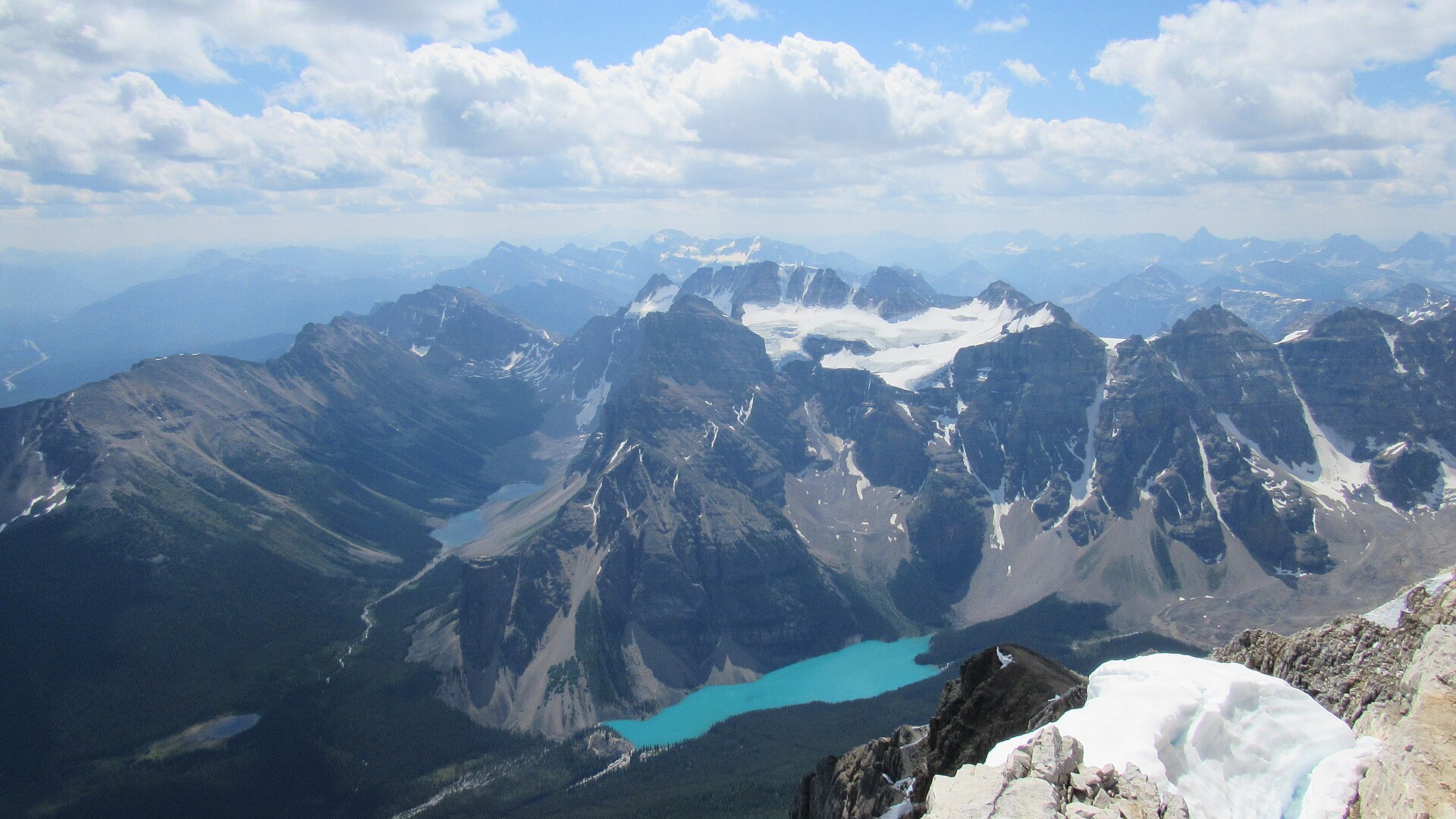
If your dream is the Rockies, the Icefields Parkway or the Cabot Trail, those are summer and early-autumn trips, and our Banff and Jasper guide covers the best of them.
💡 Our campervan tip: prices for the same van vary a lot between rental brands. We compare Canada campervans across 160+ rental companies on CampervanPlanet — and code HUNGRYTRAVELFAMILY20 takes €20 off your booking.
Costs beyond the daily rate
The daily rate is only part of the budget. The page notes that Canada has more than 2,000 campgrounds ranging from basic (about C$10 a night) to full-service (C$50 or more), although in winter far fewer are open and many have limited services. Fuel is quoted at about C$1.40–1.70 per litre depending on region. Trans-Canada routes of 5,000 km or more cost C$600–1,000 or more in fuel.
The other costs to price in are propane, a higher fuel bill for heating, extra insurance or excess cover, and the cost of a motel on days when the weather is too bad to drive. A practical rule is to add a weather buffer of a few days to any winter itinerary, and to keep your route short. Our Canada RV rental cost guide goes through the full numbers for summer trips.
Booking through our links gets you our reader coupon: HUNGRYTRAVELFAMILY20 takes €20 off at checkout.
Safety basics for a winter RV
Winter RV travel has a handful of non-negotiables. Keep the fuel tank at least half full, carry warm clothing and a sleeping bag even if you are in a heated van, pack a shovel, an ice scraper, a torch and water, and never run a heater or generator in an enclosed space without a working carbon monoxide alarm.
Tell someone your route, check road conditions each morning, and be willing to stop if conditions are poor. The page also notes that in remote parts of northern British Columbia, the Yukon and the Northwest Territories, fuel stations can be 150 km or more apart. In winter that gap is a real planning issue, not a footnote.
Finally, read the rental company’s winter terms: some restrict where you may drive, require a minimum number of days or prohibit certain mountain roads in the season.
The smarter move: book summer 2027 now
For most readers, the best thing about looking at winter is realising that summer is the real prize. July and August bring warm temperatures, long daylight and every attraction open. The Icefields Parkway is the crown jewel, a 5–7 day, 400 km drive between Banff and Jasper that the listing rates as easy for a 2WD vehicle and best in June and September. The Cabot Trail in Nova Scotia and the Sea-to-Sky Highway from Vancouver are other classics.
Vehicles and campsites for those months sell out, and the best RVs and the best sites go first. Booking six to nine months ahead is sensible for July and August. Compare pick-ups: Calgary is the usual gateway to the Rockies, while Vancouver suits the west coast and one-way trips across the mountains.
How to decide, and how to book
If you are set on winter, choose a short, city-based trip, confirm in writing that the vehicle is approved for winter use and suitable tyres are fitted, and keep extra days in reserve. If you are flexible, wait for summer and use the winter to plan, because it is cheaper to book early than to pay peak prices late.
When you are ready, compare Canadian RVs for your dates and book through our links. A booking made within 30 days of your click is credited to us, and it keeps this site on the road.
Book your Canada campervan
Compare prices across 160+ campervan and motorhome rental brands, get a free 1GB eSIM with every booking — and €20 off with code HUNGRYTRAVELFAMILY20.
Check prices & availability →Frequently asked questions
Can you rent an RV in Canada in winter?
Yes, but it is a limited season. The listing describes November to March as limited, with temperatures of about −20°C to 0°C, and many campgrounds are closed. Confirm winter approval and tyres with the rental company.
How much does an RV cost in Canada in winter?
When we checked, the cheapest 7-night RV for 10 November 2026 and 9 March 2027 started from C$157 a day, against C$197 a day for an 8 June 2027 start. Standard RVs started from C$235 a day.
When is the best time to rent an RV in Canada?
Summer and early autumn, roughly June to September, when all attractions and campgrounds are open. The Icefields Parkway is best in June and September.
Is there a discount code for CampervanPlanet?
Yes. Code HUNGRYTRAVELFAMILY20 takes €20 off your booking at checkout when you book through our links.
Do I need winter tyres for a rented RV in Canada?
Some provinces, such as Quebec and British Columbia, require winter tyres or chains on designated roads in winter. Rules and dates change, so check current requirements and ask the rental company what is fitted.