Poland rarely makes the shortlist for a first European motorhome trip, and that is a pity. The roads are good, the campsites are cheap, the food is hearty and the mountain scenery in the south rivals what you would pay twice as much to see in the Alps. It is also much less crowded than Croatia or Italy in July.
We have not hired a motorhome in Poland ourselves, so this is a guide built on what the CampervanPlanet Poland page says about prices, seasons and rules, plus stable local knowledge. We hedge anything that changes. If you are new to hiring a motorhome abroad, our campervan rental guide explains the basics.
Summer 2027 is the season to plan for now: the best vehicles for July and August are the first to go, and prices climb as the calendar fills.
Poland campervan and motorhome rental starts from about €91 a day for a Budget Camper and reaches about €256 a day for a Family Motorhome. A typical seven-night hire runs about €146 a day in shoulder season, €258 in summer and €128 in winter. Campsites are typically €15 to €20 a night. Code HUNGRYTRAVELFAMILY20 takes €20 off a booking.
What a motorhome costs in Poland
The CampervanPlanet Poland page opens with a clear price: campervans and motorhomes from €91 a day, checked in November 2026. It names four vehicle types, with the cheapest being the Budget Camper from €91 a day and the largest the Family Motorhome from €256 a day.
The seasonal figures come from the November 2026 price index for a seven-night hire. Summer, from June to August, is the peak at around €258 a day. May and September are the shoulder season and the best value at about €146 a day. October and April are in between, and November to March is the cheapest at about €128 a day.
Those are typical figures, not the cheapest possible, so you will see more or less depending on dates and vehicle. It is also worth comparing against other countries. Our post on campervan prices compared across 22 countries shows Poland sitting comfortably below the Alps and the Mediterranean in summer.
Honest travel from the Arctic Circle
We send one letter a month — no roundups, no sponsored fluff. Just what we’re doing, where we’re going, and what we actually think.
The Tatra Mountains and the south
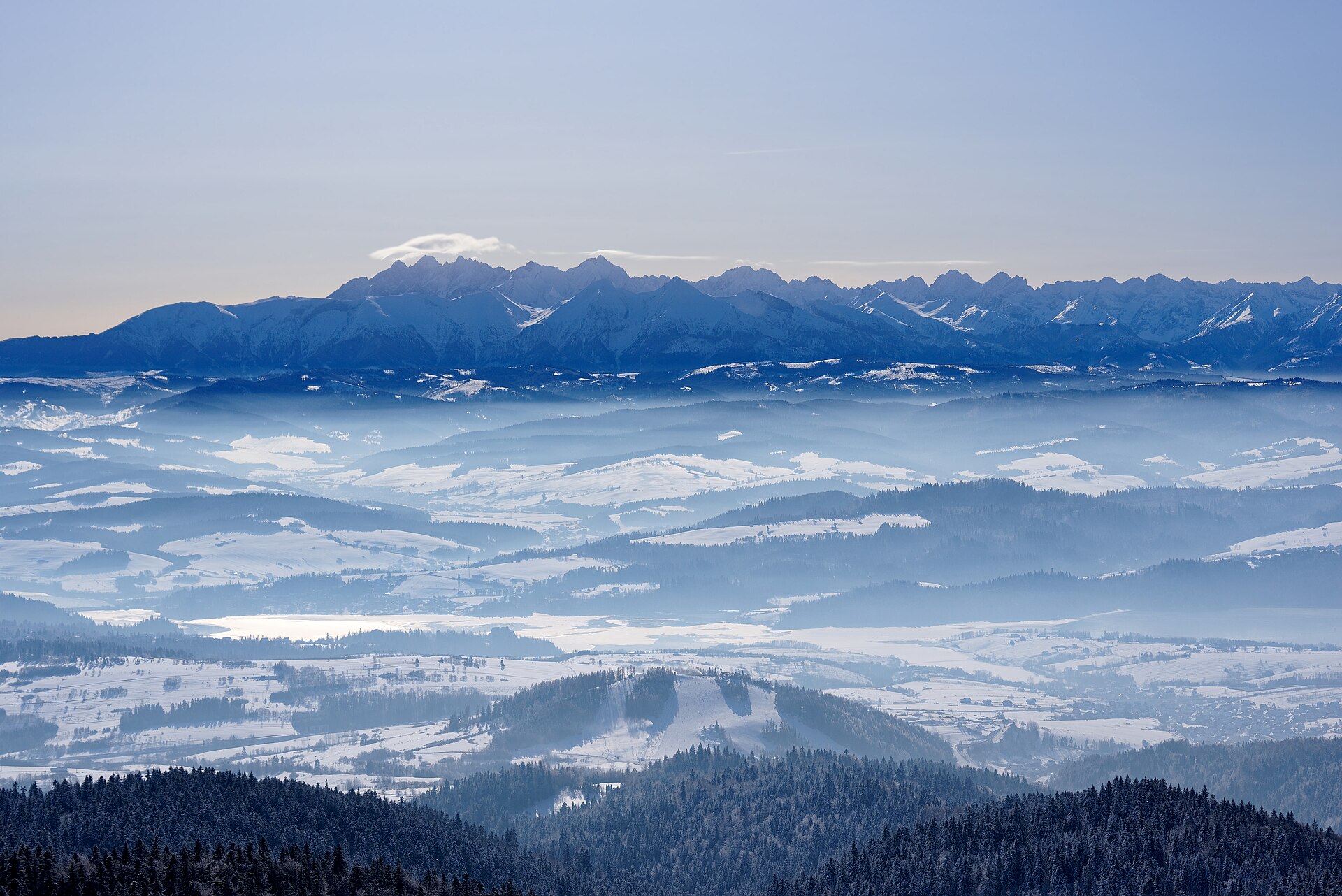
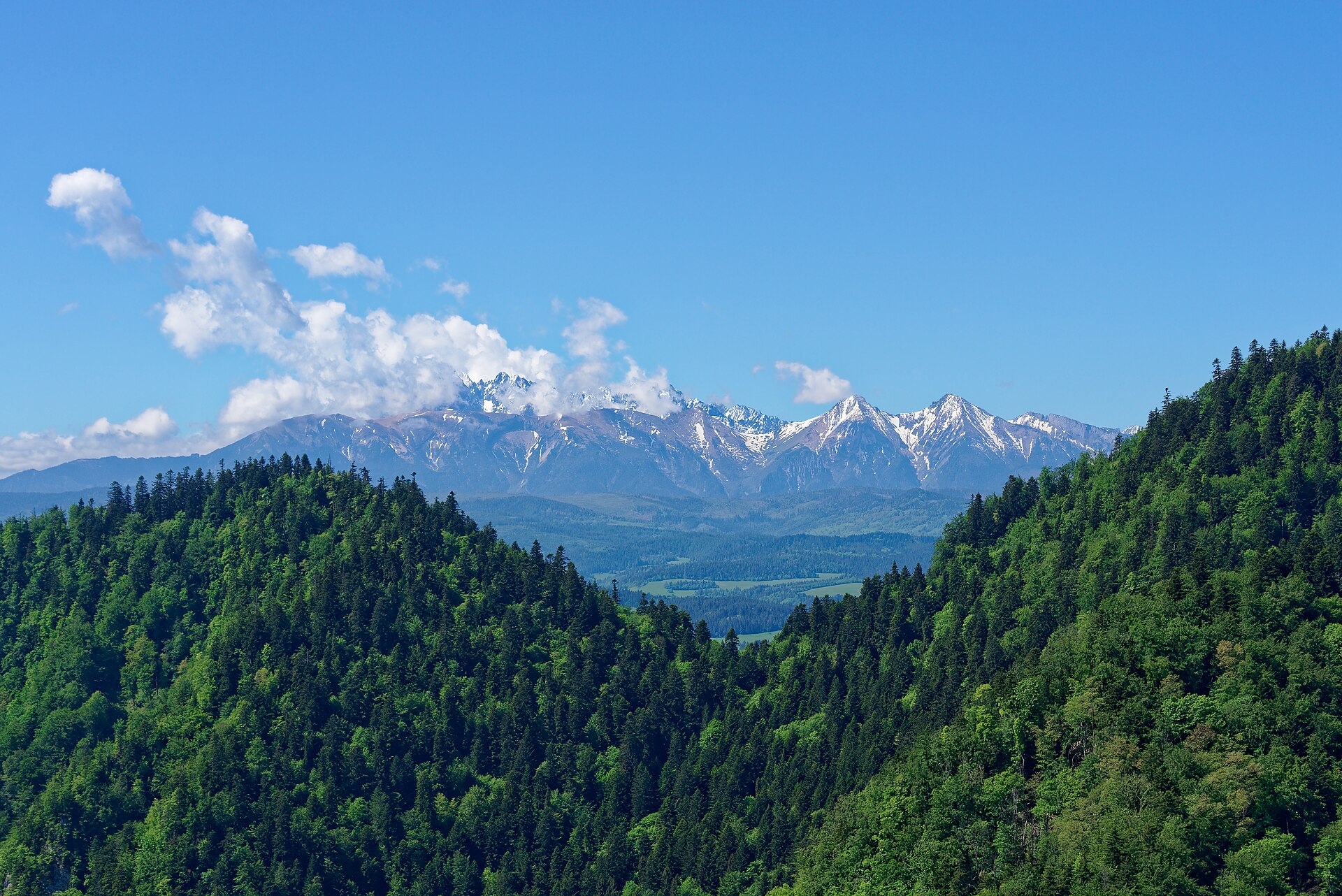
Poland’s mountains are in the south, along the Slovak border. The Tatras are the highest range in the Carpathians, with jagged peaks, mountain lakes and the busy resort town of Zakopane at their foot. In summer the trails are crowded, but a short walk gets you away from the crowds, and the shoulder months of May and September are lovely.
The page lists the Tatra Mountains, the Dunajec Gorge and the Wieliczka Salt Mine among its highlights, and gives typical entry costs of PLN 20 to 40, about €5 to €10, for several of them. The Dunajec Gorge is usually explored on a traditional raft trip, and the salt mine near Kraków is an underground world of chapels carved from salt.
A practical point: the higher Tatra passes can already be snowy in October and April, and the page notes that nights often fall close to freezing in those months, so a well-heated motorhome matters. In winter, snow and ski season mean some mountain roads are closed. Winter tyres are not required by law in Poland, but the page strongly recommends them.
Kraków, the cities and a loop of 1,500 km
Many travellers pair the mountains with Kraków, a medieval city with a huge main square, the old Jewish quarter of Kazimierz and Wawel Castle. Warsaw, Wrocław, Gdańsk and Poznań are the other big names. In summer you can park a motorhome at a campsite and take trams or buses into the centre, which is easier than finding space in the old town.
The page estimates that a full loop through Poland’s highlights, about 1,500 km, costs roughly €150 to €220 in fuel. That is a useful planning number: a week of relaxed driving, a campsite every night and a few stops in cities. A more compact trip might spend a week in the south, between Kraków, Zakopane and the Dunajec, and cover less than 600 km in total.
If you want to combine Poland with its neighbours, our guides to Slovenia by campervan and Austria by campervan show how central Europe fits together.
Masuria and the Baltic coast
North of Warsaw lies Masuria, a region of lakes, forests and sailing towns that Poles love for their summer holidays. It is flat, green and quiet, with plenty of lakeside campsites and a calm pace. Further north, the Baltic coast has long sandy beaches, dunes and the old port city of Gdańsk, plus resort towns that get busy in July and August.
These regions are the opposite of the mountains. They are best in summer, when the water is warm and the days long, and they suit families who want beaches and bikes rather than hiking. Mosquitoes can be a nuisance around the lakes in the evening, and the Baltic is cool even in July.
Campsites in these regions fill in school holidays, so book ahead for July and August. Roads are generally good, but some small lakeside roads are narrow, so a smaller motorhome is easier. Check the vehicle’s length and height before you commit.
💡 Our campervan tip: prices for the same van vary a lot between rental brands. We compare Poland campervans across 160+ rental companies on CampervanPlanet — and code HUNGRYTRAVELFAMILY20 takes €20 off your booking.
Campsites, wild camping and the fines
Campsites in Poland are cheap by European standards. The page says they typically cost €15 to €20 a night, and they come with the usual facilities: electricity, showers and often a small shop. Municipal and private sites both exist, and many are close to lakes or town centres.
Wild camping is a different story. The page warns that fines for illegal camping range from PLN 1,400 to 5,600, about €330 to €1,300, and are actively enforced, especially at popular attractions. We would not take the risk. Use campsites and designated stopover places, and ask your campsite host if you are unsure about overnight parking elsewhere.
On costs of eating out, a lunch at a traditional milk bar (bar mleczny) is about PLN 15 to 25, or roughly €3 to €6, which is one of the best-value meals in Europe. Cooking in the motorhome is cheap too, so a week’s food budget can be small.
When to go and when to book
Summer is the peak, with 15 to 17 hours of daylight in June and July and temperatures of 18 to 30°C, but also afternoon thunderstorms. May and September are the best value, with 15 to 25°C and fewer crowds. October brings autumn colours and quiet campsites, and April brings the first greenery, though both can be cold at night.
For summer 2027 we would start comparing now and book early in the new year for July and August. If you can travel in the shoulder season, you will save a lot and meet fewer people on the trails. Winter is for ski trips in the Tatras and Christmas markets, with short days and cold weather, and a vehicle with proper heating and insulation is essential.
Remember that Poland drives on the right, uses the złoty rather than the euro, and expects you to carry your documents. Check the current rules for cross-border travel if you plan to visit Slovakia, Germany or the Czech Republic, since not every rental company allows it.
A week in the south, day by day
If you only have a week, we would keep it to the south, where distances are short and the highlights are close together. Day one: collect the motorhome, buy groceries and drive to a campsite near Kraków. Day two: Kraków’s old town and Wawel Hill, with an evening in Kazimierz. Day three: the Wieliczka Salt Mine in the morning, then south towards the mountains.
Day four: Zakopane and a walk into the Tatras, choosing a trail that matches your fitness and the weather. Day five: the Dunajec Gorge raft trip and a night near the Slovak border. Day six: a slow day, perhaps a thermal bath, a cheese-tasting stop and a long lunch at a mountain hut. Day seven: return to Kraków and drop off the motorhome.
This kind of itinerary keeps driving to two or three hours a day, which suits a vehicle you are still learning to handle. It also leaves room for rain, which is common in the mountains, and for a day when you simply want to sit by the vehicle with a coffee. Our post on first campervan road trip tips has more on pacing a trip.
How to book and save €20
Open CampervanPlanet’s Poland page and enter your dates. Compare the four vehicle types, the deposit, the mileage and the cancellation terms. Choose a vehicle that matches your route: a compact camper for city-hopping and a Family Motorhome for a long trip with children.
At checkout, enter HUNGRYTRAVELFAMILY20 to take €20 off your booking. The coupon comes from our commission, so it costs you nothing extra. If you like the idea of a quieter Europe, you might also enjoy our guide to Albania by campervan.
Book your Poland campervan
Compare prices across 160+ campervan and motorhome rental brands, get a free 1GB eSIM with every booking — and €20 off with code HUNGRYTRAVELFAMILY20.
Check prices & availability →Frequently asked questions
How much does it cost to rent a motorhome in Poland?
CampervanPlanet shows campervans and motorhomes from €91 a day (Budget Camper) up to €256 a day (Family Motorhome). A typical seven-night hire is about €146 a day in shoulder season, €258 in summer and €128 in winter.
What is the best time to rent a motorhome in Poland?
May and September give the best balance of weather and price. July and August are the peak, and winter is cheap but cold, with Tatra skiing and Christmas markets.
Can I wild camp in Poland?
Not safely. The page says fines for illegal camping range from PLN 1,400 to 5,600 (about €330 to €1,300) and are actively enforced, especially at popular attractions.
How much do campsites cost in Poland?
Typically €15 to €20 a night according to the CampervanPlanet page.
Is there a discount code for CampervanPlanet?
Yes. Our reader code HUNGRYTRAVELFAMILY20 takes €20 off your booking at checkout. It is deducted from our commission, so you pay nothing extra.
Do I need winter tyres in Poland?
Winter tyres are not required by law, but the page strongly recommends them for winter and notes that a well-insulated, heated motorhome is essential.