A first campervan road trip is exciting and a little intimidating. You are about to sleep in something you have never driven, in a country that might drive on the other side of the road, with a price tag that looked quite different on the website than it does on the final screen. We live in Rovaniemi, in the Nordic north, where road trips are part of life, and we have made most of the beginner mistakes at some point.
This guide pulls together the decisions that matter most before you book, and it uses real numbers from CampervanPlanet’s campervan price index, which looked at 2,587 live offers in 22 countries in October 2026. For destination details we write as researchers, and we link to our country guides when you want more.
For a first campervan trip, decide the season first, because it drives the price more than anything else: in Iceland the typical July price (about €395 a day) is 3.4 times the low-season price (about €115). Then choose a vehicle you are comfortable driving, compare total prices including excess cover and mileage, and read the pick-up checklist. Our €20 reader coupon helps with the final booking.
Start with the season, not the van
The single most useful table we have seen is the price index, because it shows how much the same country changes through the year. In October 2026 the cheapest campervan offers started from around €16 a day in New Zealand (southern winter) and went up to around €157 a day in Croatia. The typical prices tell a more realistic story: Iceland ranges from about €115 in low season to about €395 in peak season, Norway from about €161 to about €423, and Switzerland from about €210 to about €482.
Some countries are flatter. France runs from about €105 to €155, Italy from about €103 to €130, the Netherlands from €100 to €140, and Spain from about €98 to €157. If you are a beginner who wants to keep the budget calm, a flatter-priced country in shoulder season is the safest first choice.
That is why we always suggest picking your travel month before the destination if you are flexible. Our country-by-country price guide goes deeper on this.
Campervan, motorhome or RV?
The names change between countries, but the choice is the same everywhere. A compact campervan is easy to drive and park, uses less fuel and is usually the cheapest, but it has little room to stand or cook indoors. A larger motorhome has a kitchen and sometimes a bathroom and suits families, but it is wider, higher and harder on narrow roads, in car parks and on ferries.
For a first trip, we tend to recommend one size smaller than you think you need, unless you are travelling with children. You will spend most of the day outside, and a smaller vehicle makes the driving relaxing. If you are on the fence, our campervan vs motorhome vs RV guide explains the types in detail.
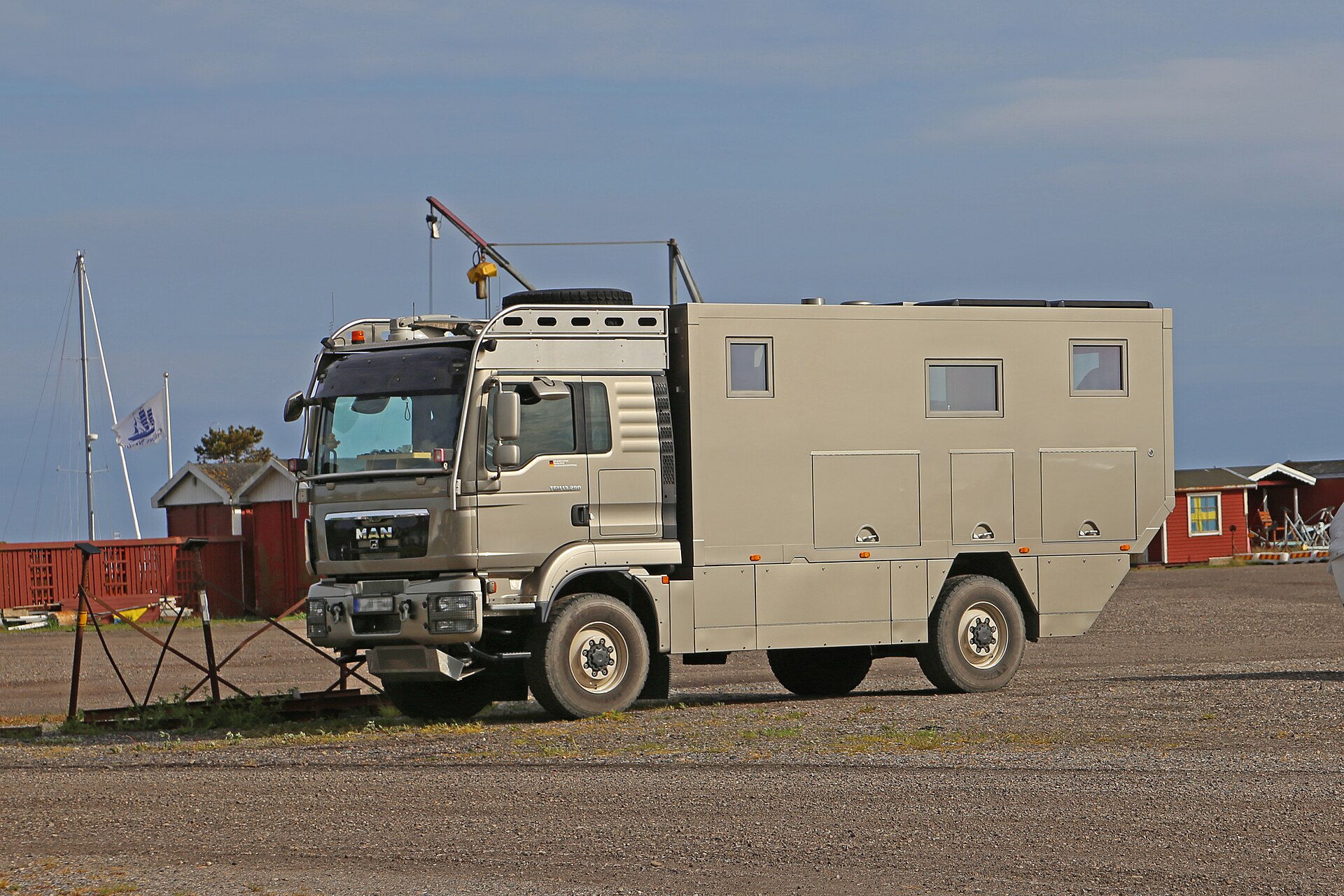
Also check the licence rules. Many countries allow a standard car licence for vehicles up to a certain weight, but larger motorhomes can need a different category, and some rental companies require a minimum age or years of driving experience. Check before you book.
Honest travel from the Arctic Circle
We send one letter a month — no roundups, no sponsored fluff. Just what we’re doing, where we’re going, and what we actually think.
How to read the price properly
The daily rate is only the beginning. Look at these items before you compare offers: the excess or bond held on your card, the cost of reducing it, the mileage allowance, any extra driver fee, bedding and kitchen kits, one-way fees, cleaning fees and the pick-up deposit. Two vans that look €15 apart per day can end up reversed once you add cover.
In CampervanPlanet’s country studies, for example, the Australian price study found that basic cover can leave a bond of A$500 to A$9,500 and that zero-excess cover costs about A$45–90 a day, while the USA study found that reducing the excess costs roughly $13–41 a day. We break down those numbers in our Australia cost guide and USA RV cost guide.
The simple rule: compare total price with the same level of cover, not the daily rate. Our insurance and excess explainer walks through the terms.
💡 Our campervan tip: prices for the same van vary a lot between rental brands. We compare the world campervans across 160+ rental companies on CampervanPlanet — and code HUNGRYTRAVELFAMILY20 takes €20 off your booking.
Booking: who you actually rent from
It helps to understand how comparison sites work. On CampervanPlanet you book through the site, but you rent from the company named on each offer, which hands over the vehicle and applies its own terms. Many offers take a deposit online, often 10 to 20% of the price, and the rest at pick-up, while others are paid in full online. At pick-up the company holds a refundable security deposit on the main driver’s card.
That means the rental contract, the damage inspection and the insurance rules are those of the rental company, so read them. Look at the cancellation terms, what happens if your flight is delayed, and what hours the depot is open. A late arrival can cause real problems if the depot closes at 17:00.
Pick-up day: the checklist that saves arguments
Allow plenty of time. The company will explain how the vehicle works, from the gas and water to the heater and the toilet, so ask questions and take notes. Walk around the van with the staff member and photograph every scratch, chip and dent, inside and out, with the date visible. Check that the damage list matches what you see, and ask where the spare tyre, jack and warning triangle are.
Check the fuel type before you leave the depot, because putting petrol into a diesel van is an expensive mistake. Practise reversing and turning in the yard, and set up your navigation before you drive off. At return, take photos again and ask for a signed note that the vehicle was returned in good condition.
Where to sleep and how to plan the days
Rules about where you can park overnight differ enormously between countries and even between regions. Some countries have a long tradition of informal stops, while others are strict and fine you for sleeping in the wrong place. Greece, for example, has tightened enforcement, and New Zealand and Iceland have strict rules. Always check the current guidance and use campsites or official stopping places when unsure.
A good rhythm for beginners is one big driving day followed by one short one. Aim to arrive at your campsite or stopping place by late afternoon, especially in busy seasons, so you can set up in daylight. Book popular campsites ahead in summer, and keep the first and last nights simple, near the depot.
Finally, lower your expectations of speed. Campervans are slower than cars, mountain roads are slower again, and the best moments of a van trip are usually the ones you did not plan.
How to save money without cutting corners
The biggest savings come from timing, route and flexibility. Travel in shoulder season, avoid one-way fees where possible, stay longer where the daily rate drops, and compare several rental brands for a similar vehicle. Cooking most meals in the van saves more than any rental trick. Our campervan savings guide collects the details.
If you want to compare destinations quickly, the Iceland price page is a good example of how a full-year price study looks, and the same site has similar pages for Australia, New Zealand, the USA and more. More in our campervan rental guide.
When you are ready to book, use our links and enter code HUNGRYTRAVELFAMILY20 at checkout on CampervanPlanet to take €20 off the booking.
Book your the world campervan
Compare prices across 160+ campervan and motorhome rental brands, get a free 1GB eSIM with every booking — and €20 off with code HUNGRYTRAVELFAMILY20.
Check prices & availability →Frequently asked questions
What should I know before renting a campervan for the first time?
Choose the season first, pick a vehicle you are comfortable driving, compare total prices including cover, mileage and extras, and inspect the vehicle carefully at pick-up.
How much does a campervan cost per day?
It depends on the country and season. In October 2026 CampervanPlanet’s price index showed cheapest offers from about €16 a day in New Zealand to about €157 in Croatia, with typical peak prices from about €130 to more than €480.
Is it hard to drive a campervan?
Most modern campervans are easy, but larger motorhomes are wider and taller. Start with a smaller vehicle if you are nervous, and practise in the depot yard.
Can I sleep anywhere in a campervan?
No. Rules vary by country and region, and fines can be significant, so use campsites or official stopping places and check local guidance.
Is there a discount code for CampervanPlanet?
Yes. Use code HUNGRYTRAVELFAMILY20 at checkout to take €20 off your booking when you book through one of our links.
Who do I rent the campervan from?
You book on CampervanPlanet but rent from the company named in each offer, which hands over the vehicle and applies its own terms.
Keep your crypto offline, not in an exchange app
Any crypto we hold lives on a Trezor hardware wallet — a small offline device in a drawer in Rovaniemi, not on a phone that crosses borders every month. If you’ve been meaning to sort that out, this is the link we’d send a friend.