Lake Como vs Lake Garda: Which Italian Lake in 2026?
We’ve visited both Italian lakes during a summer Italy trip and have opinions. Here’s the honest comparison — who should go to Como, who should go to Garda, and whether the hype around each is actually earned.
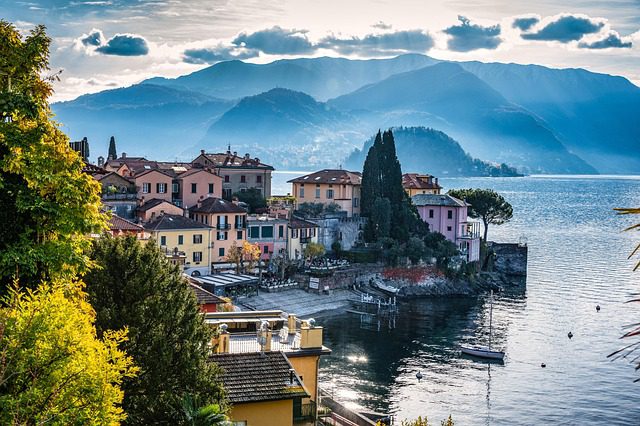
We came to Italy expecting to love both lakes equally. After four days split between Lake Como and Lake Garda during a summer road trip through northern Italy, we came back with a clear answer — but it’s not the answer most travel guides give you.
Coming from Rovaniemi, where our idea of a “lake summer” is skinny-dipping in 16°C Finnish water and hoping for sun, these Italian lakes felt like a different planet. Here is the honest comparison between Lake Como vs Lake Garda, written by two people who had no particular reason to root for either one.
Lake Como is better for romance, dramatic scenery, and slow luxury. Lake Garda is better for families, activities, and getting more for your money. Both can feel overcrowded in peak summer — Como is worse for crowds in Bellagio, Garda is bigger so the crowds spread out more. If you can only pick one and you’re traveling as a couple, Como. If you’re bringing kids or want a beach, Garda.
The key differences between Lake Como and Lake Garda
Before you go deep, here is what actually separates these two lakes — not geography, but feel.
Scale and atmosphere
Lake Garda is Italy’s largest lake. It has actual beaches, a functioning town infrastructure, a northern end that feels almost Alpine (Riva del Garda), and a southern end that feels almost Mediterranean (Sirmione). Lake Como is smaller, narrower, and more dramatic — steep cliffs plunge straight into the water, there are barely any sandy beaches, and the villages feel like they were built for a film set. Both comparisons are fair because both things are actually true.
Who it attracts
- Lake Como attracts honeymooners, villa renters, Instagram photographers, and anyone who watched House on the Lake or Star Wars: Attack of the Clones. It also attracts large groups of day-trippers from Milan who crowd Bellagio between 11 am and 4 pm.
- Lake Garda attracts German and Austrian families (it’s only a few hours from Innsbruck), Italian weekenders, anyone who wants a beach with reliable sun, and a surprising number of windsurfers and climbers drawn to the northern Trentino end.
What Lake Como is actually like (beyond the photos)
Lake Como is genuinely as beautiful as the photographs suggest. That is not a common thing to say about an over-Instagrammed destination, but here we are. The mountains, the water color, the wisteria climbing over iron railings — it all holds up in person. What the photos don’t prepare you for is the topography: there are almost no flat surfaces. Villages cling to near-vertical hillsides. Walking between ferries involves staircase streets that will test your legs.
The case for Lake Como in summer 2026
- Bellagio is the obvious base and also the most crowded spot. Arrive before 10 am or stay overnight to see it at its best. The main waterfront fills up by noon in July and August.
- Varenna is the insider pick. Smaller than Bellagio, almost as beautiful, fewer day-trippers, and the ferry connection is just as easy. We prefer it.
- Villa del Balbianello (used in both a Bond film and Star Wars) is worth the entrance fee and the boat ride — but book ahead online. Walk-ups sell out by 9:30 am in peak season.
- Swimming is limited. The lake is deep right up to the shoreline. There are small lidos with ladders, but if sandy beach time is important to you, Como will disappoint.
- Ferries are the main transport and they are pleasant and efficient. A day pass covers most of the central lake. The slow ferry (traghetto) is the experience — the fast one just gets you there.
Related read4 Days in Rome in Summer: Is It Manageable? — our honest assessment of Italy’s most intense summer destination, published ahead of your Italy trip.
What Lake Garda is actually like (the bigger picture)
Lake Garda surprised us. We expected a slightly generic resort lake — the kind that gets picked because it’s easier to reach from Germany than Como is. What we found was a lake with genuine character differences between its three zones.
The northern end around Riva del Garda and Torbole is almost Norwegian in feel: cliffs, wind, mountains, very little beach culture. The middle (Malcesine, Limone) is picture-postcard. The southern Sirmione peninsula has Roman ruins, thermal spa water, and the most dramatic sunset light we saw in Italy.
- Scenery: Como (more dramatic) vs Garda (more varied)
- Swimming: Garda wins (beaches exist at Garda, almost none at Como)
- Crowds: Both bad in July–August; Bellagio worse than almost anywhere on Garda
- Cost: Como is more expensive overall; Garda has more budget options
- Families: Garda is far better (activities, flat waterfront paths, sandy beaches)
- Romance: Como wins, particularly Varenna and the hill villages
- Getting there: Como is 45 min from Milan; Garda is 1.5–2 hrs from Verona or Milan
- Activities: Garda wins (watersports, cycling, climbing, theme parks at the south end)
Costs, getting there, and logistics for 2026
Budget is where Lake Garda wins most clearly. A dinner for two in Bellagio can easily run €80–120 with wine. Equivalent meals on Garda’s less-famous eastern shore run €45–70. Accommodation differences are similar. Lake Como hotels in Bellagio or Tremezzo are among the most expensive in northern Italy in summer; Garda has everything from camping and apartments to five-star hotels, and the middle tier is genuinely good value.
Getting there from northern Europe (the Rovaniemi perspective)
We flew Helsinki–Milan Malpensa. From Malpensa, Como is straightforward by train or car (45–60 min to Varenna by regional train, changing at Lecco). Garda is harder without a car — the eastern shore has limited train connections and you’ll spend a lot of time on buses. For Garda, we’d recommend renting a car at Verona airport and driving north (40 minutes to Peschiera, 90 minutes to Riva del Garda).
When to go in 2026
- Best months: May, June, early September. Warm enough, crowds manageable, accommodation cheaper.
- Peak nightmare: July and August, especially weekends. Both lakes become gridlocked.
- Hidden sweet spot: Late September. The light is extraordinary, water is still warm from summer, the crowds have largely gone home.
Get our best travel tips in your inbox
Monthly stories from Rovaniemi — Arctic tips, packing lists, and the places we keep coming back to.