How to See Puffins in the Faroe Islands — The Mykines Guide
We hiked to the cliffs of Mykines on a wild Atlantic morning and came back absolutely speechless. Here is everything we wish someone had told us before we went — the ferry times, the trail, the season, and the puffin-watching spots that actually deliver.
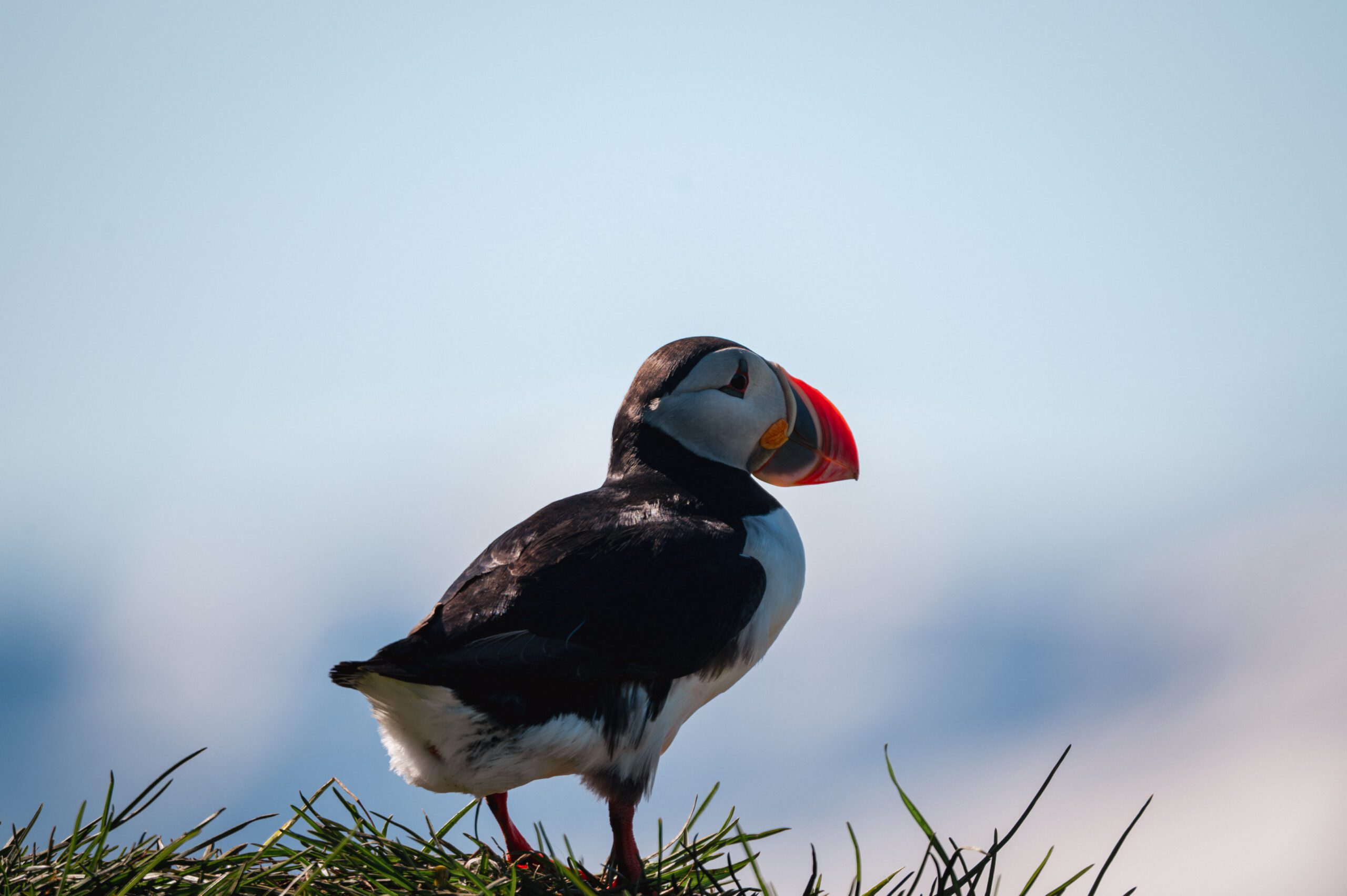
We’d been to Iceland, we’d heard all the Faroe Islands hype, and still nothing prepared us for Mykines. The island is tiny — fewer than ten permanent residents — but from late April through August it hosts hundreds of thousands of Atlantic puffins, and the cliffs put you so close to them that you almost feel like an intruder in their world.
This guide covers everything: how to get the ferry, how long to stay, where to walk, and what season gives you the best odds of seeing puffins in the Faroe Islands without getting weathered out.
The best time to see puffins in the Faroe Islands is mid-May through late July, with peak numbers on Mykines in June and early July. Take the ferry from Vágar to Mykines (weather permitting), hike 2–3 hours to the lighthouse, and the puffin colonies on the cliff edges will be within touching distance.
Puffin season in the Faroe Islands — when they actually arrive
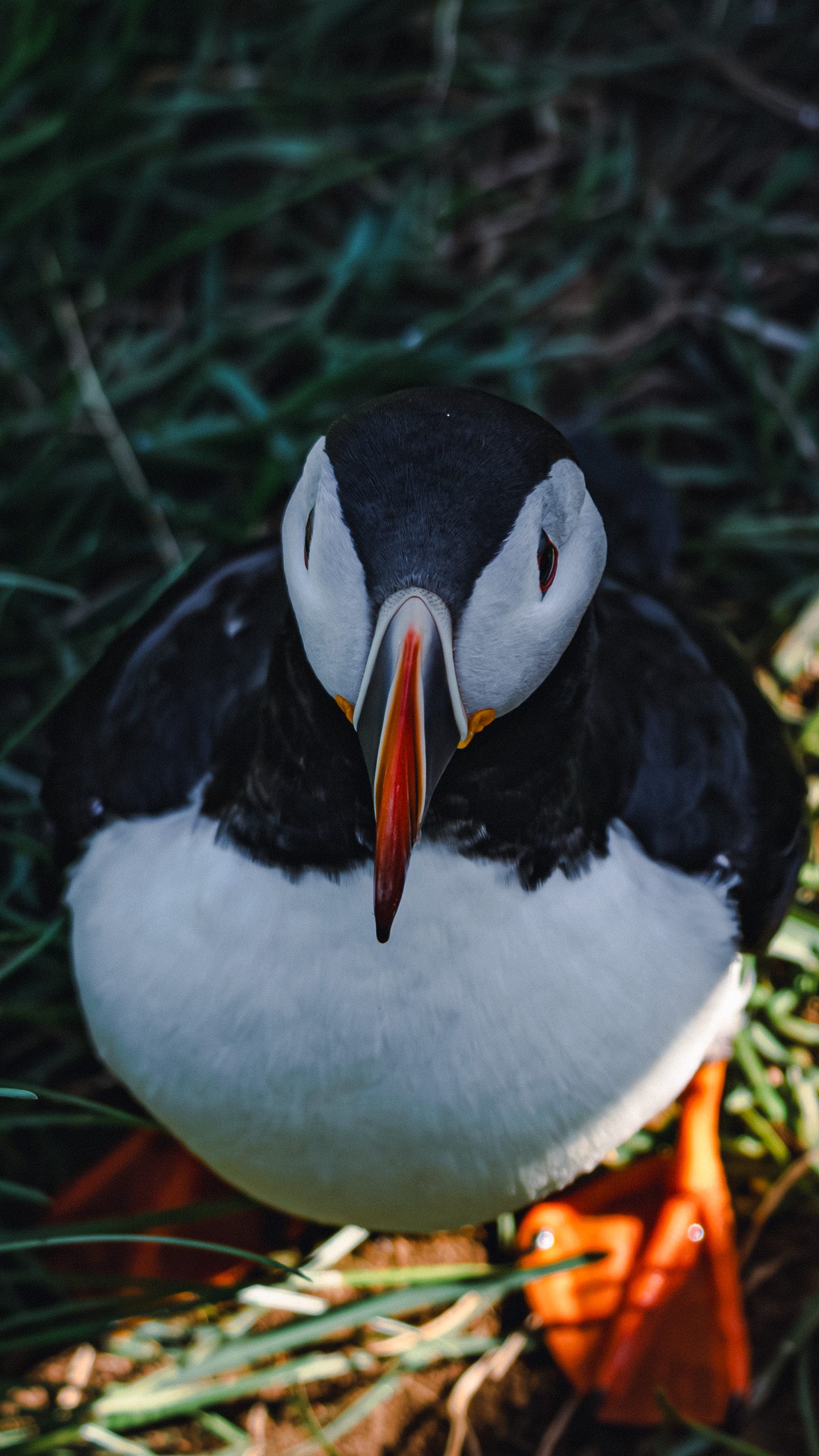
Atlantic puffins (the ones with the cartoonish orange beaks) spend most of the year at sea. They only come ashore to breed, and the Faroe Islands — specifically Mykines, Vestmanna, and a handful of other cliff colonies — are among their most important nesting grounds in the North Atlantic.
The arrival window
- Late April: first scouts appear on Mykines. Numbers are still low. Worth visiting if you’re already in the Faroes, but don’t plan a dedicated trip yet.
- May: puffins return in increasing numbers. Burrow-digging begins. This is our pick for seeing them with fewer crowds and calmer Atlantic weather.
- June – early July: peak density. Chick-rearing is underway, adults are constantly ferrying sand eels to the burrows, and the cliffs are alive with activity. This is the classic window.
- Late July – August: chicks fledge and adults start to leave. Numbers drop noticeably after mid-August. The last puffins leave the Faroes by early September.
Our visit was in late June and we counted puffins nesting literally at our feet on the cliff path. No telephoto lens required — they are completely unbothered by people.
The Faroe Islands weather factor
This is the piece most guides skip. Faroe Islands weather is notoriously changeable — we saw four seasons in a single afternoon on Mykines. Fog rolls in off the Atlantic without warning and the Mykines ferry is cancelled whenever wind or swell makes the approach unsafe. This happens frequently. Build at least two nights around your Mykines day to absorb a cancellation.
How to get to Mykines — ferry, helicopter, and what to book first
Mykines is the westernmost of the Faroe Islands, reachable only by ferry or helicopter from Vágar island. Both options are operated by Strandfaraskip Landsins (the Faroese national ferry company).
The ferry from Vágar
The ferry departs from Søldarfjørður on Vágar (roughly 15 km from Vágar airport and Tórshavn). Crossing time is about 45 minutes but feel like an adventure — the Atlantic swell can make it genuinely exciting even on a “calm” day.
During peak summer the Mykines ferry fills up fast. Book at ssl.fo as soon as you confirm your travel dates. Day-trip slots sell out weeks in advance in June and July. We recommend checking the ferry timetable the moment you book your flights.
The ferry can be cancelled at any point if conditions are unsafe. The company typically notifies passengers by SMS or email a few hours before departure. Always have a backup plan for your day — Vágar has Saksun, Trælanípa, and Sørvágsvatñ within easy reach.
Most day trippers take the morning ferry out and the afternoon ferry back, giving 3–4 hours on the island. That is just enough for the lighthouse hike and the main puffin colonies. For a more relaxed experience, stay overnight in Mykines village — there are a handful of guesthouses.
Atlantic Airways operates a small helicopter between Vágar and Mykines. It’s fast (10 minutes), scenic, and less prone to weather cancellation than the ferry. Seats are limited and tend to go to locals first; book months ahead if you want this option.
The Mykines puffin checklist — 6 things to do on the island
Mykines is small enough to cover on foot in a full day, but there are specific spots that make the difference between a good puffin sighting and an unforgettable one.
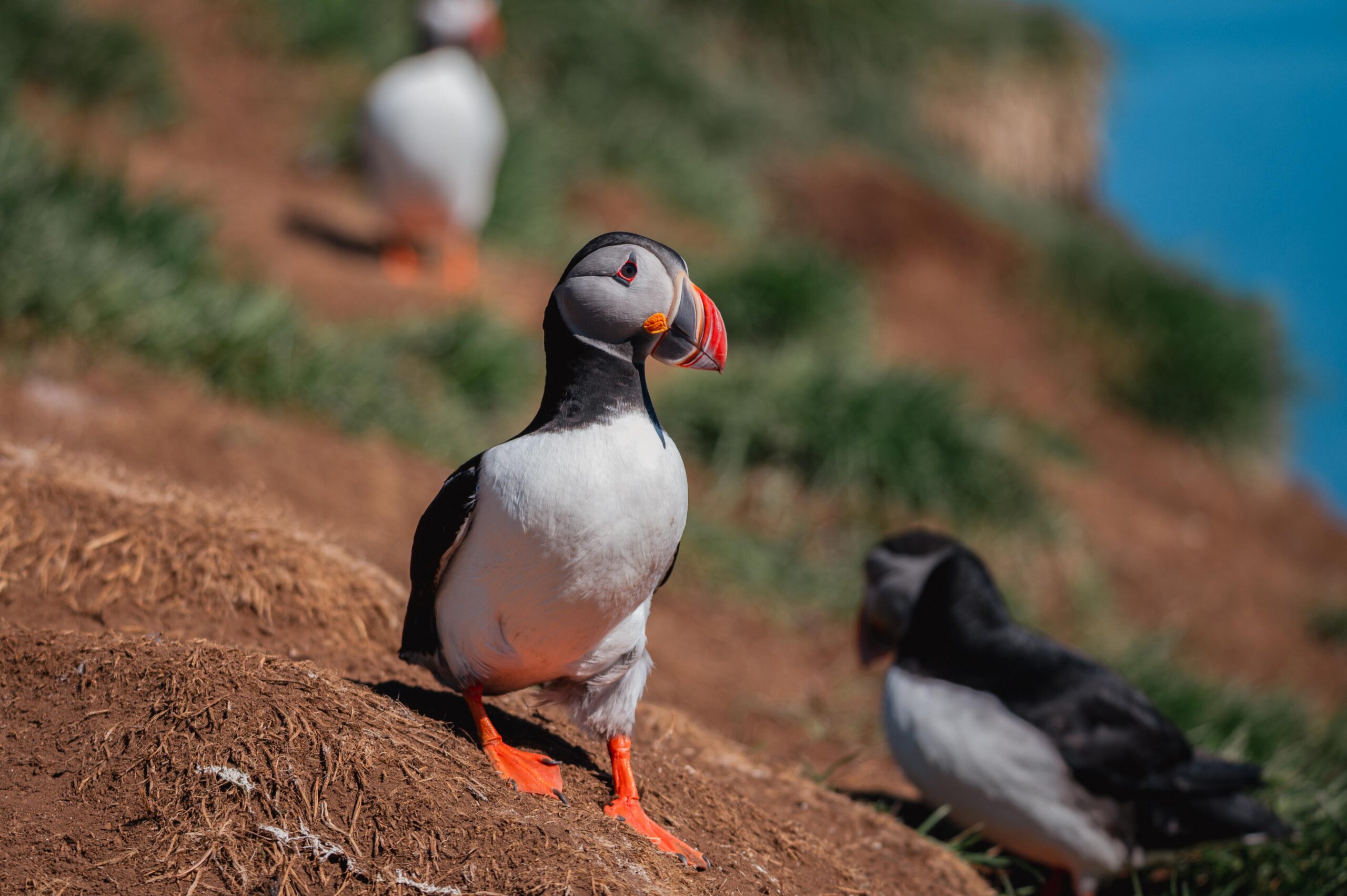
- Walk the lighthouse trail (2–3 hours return): the path from the village to the lighthouse is the main event. It crosses a suspension bridge over a chasm and passes through puffin colonies so dense you almost have to step around the birds. This is where we saw hundreds in a single glance.
- Sit at the cliff edge near the lighthouse: the puffins nest in burrows along the grassy cliff tops. Find a patch of grass, sit down quietly, and they will return within minutes. Do not approach burrows, and keep dogs well away.
- Watch the sand eel flights: in June and July, adult puffins fly in from the sea with beakfuls of sand eels, sometimes five or six fish fanned out like a bouquet. It’s the shot every wildlife photographer goes to Mykines for.
- Explore the village: Mykines village has about eight to ten inhabited houses, a tiny church, and a café that serves coffee and w&aaffles. After the trail, it feels earned.
- Check the sea-stack colonies: the sea stack just west of the lighthouse bridge has a dense gannet colony below the puffins. Bring binoculars for the lower ledges.
- Stay for the evening light: if you can catch the 8–10 pm light in June (the Faroes have near-midnight sun at this latitude), the golden-hour glow on the cliffs and the puffins coming in to land is extraordinary.
Related read Planning a longer stay in the archipelago? See our full Faroe Islands travel guide — we cover Tórshavn, Saksun, and getting around the islands on a budget.
Get our best travel tips in your inbox
Monthly stories from Rovaniemi — Arctic tips, packing lists, and the places we keep coming back to.