The Best Northern Lights Spots in Europe — Ranked by a Local
We live in Rovaniemi, inside the Arctic Circle, and we’ve chased the aurora across eight countries. Here’s our honest ranking of where to actually see the northern lights in Europe — and why most lists get it wrong.
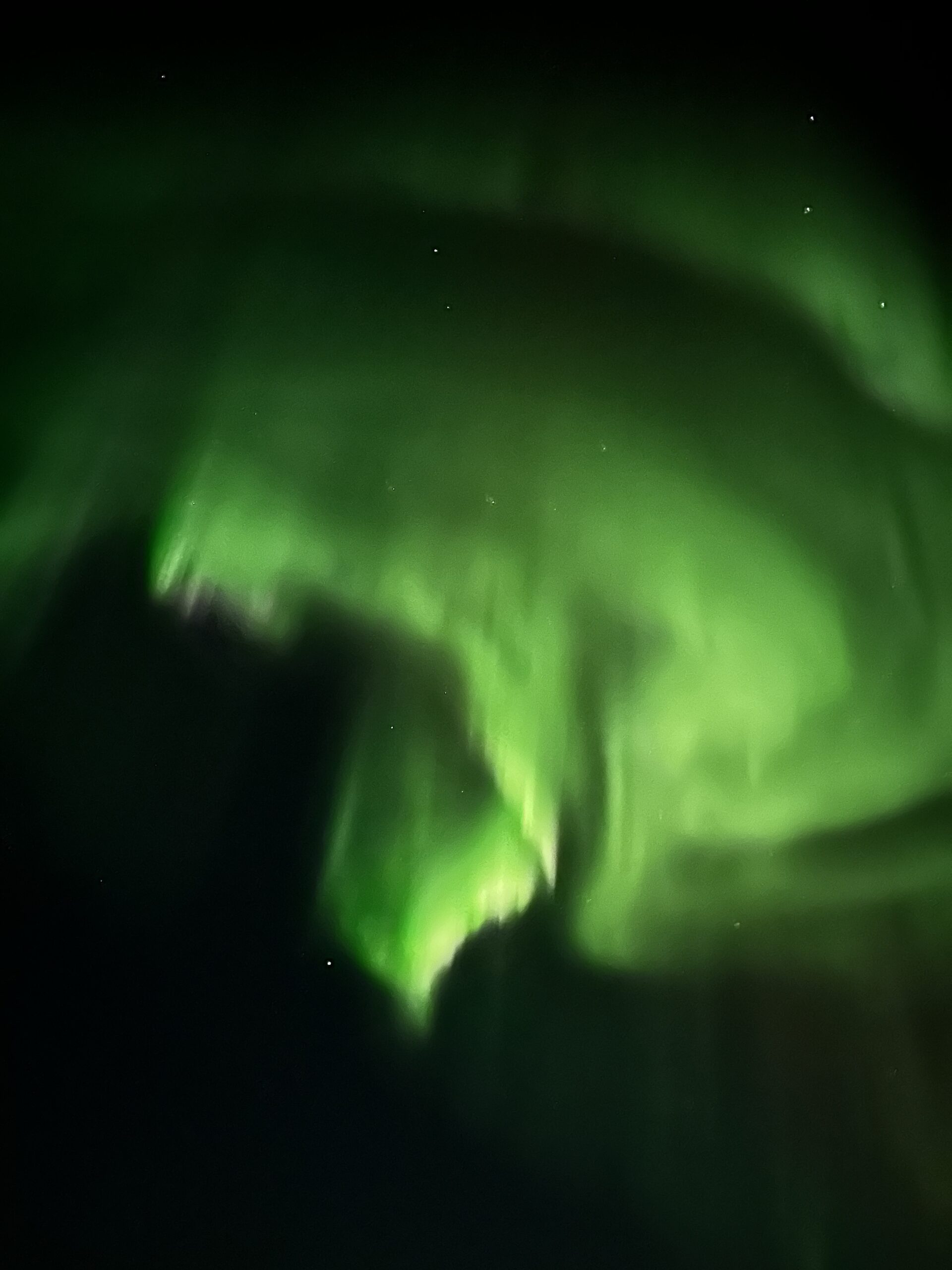
We’ve watched the northern lights from our backyard in Rovaniemi more times than we can count. We’ve chased them across Norwegian fjords, Icelandic lava fields, the Faroe Islands in a storm, and Sweden’s ICEHOTEL on a night so cold the camera froze. We’ve also had more blank-sky nights than we’d like to admit.
That experience is why most “best northern lights” lists frustrate us. They rank places by latitude or by hotel brochure, not by the thing that actually decides whether you see the aurora: clear skies, dark nights, and realistic accessibility. That’s what this ranking is built on.
The best northern lights spots in Europe are Tromsø and Lofoten in Norway, Finnish Lapland (Rovaniemi, Inari, Muonio), and northern Iceland. Norway wins on dramatic landscapes, Finland wins on clear inland skies and easy access, and Iceland wins on combining aurora with other experiences. The further north and further from the coast, the better your odds.
How we ranked these spots
Every aurora-chasing location in Europe sits under roughly the same physics — the auroral oval sweeps across northern Scandinavia, Iceland, and the Kola Peninsula. So latitude alone doesn’t separate the best from the mediocre. What does:
The four things that actually matter
- Cloud-cover statistics. The single biggest variable. Inland locations in Finnish and Swedish Lapland have significantly clearer skies than coastal Norway or Iceland. We’ve learned this the hard way — a KP 7 storm means nothing behind a wall of cloud.
- Light pollution. Tromsø is a city. Rovaniemi is a small town. Kilpisjärvi is a handful of buildings. The darker the sky, the fainter the aurora you can see — and most auroras are faint.
- Accessibility. Can you actually get there in winter without a four-wheel-drive convoy? Direct flights, bus routes, and rental car logistics matter when you’re planning a real trip.
- What else there is to do. If you’re flying across the world, a location that offers husky safaris, midnight-sun memories, or hot springs alongside the aurora makes the trip worthwhile even on cloudy nights.
The top tier: where the odds are genuinely high
These are the locations where, given a 3–4 night stay in peak season, you have a realistic 65–80% chance of seeing the aurora at least once. We’ve seen the lights from all of them.
1. Tromsø, Norway
Tromsø is the aurora capital of Europe for good reason. It sits at 69°N, well inside the auroral zone, and it has a genuine city infrastructure — direct flights from London, Oslo, and Stockholm, good hotels, and organized aurora-chasing tours that drive inland when the coast is cloudy. The fjord-and-mountain backdrop makes for photographs that ruin all other northern lights photos for you forever.
The trade-off: Tromsø is coastal, and coastal northern Norway gets hammered by Atlantic weather systems. Cloud cover in winter runs 60–70%. This is why the best tours drive 1–2 hours inland toward the Finnish border on cloudy nights.
2. Finnish Lapland (Rovaniemi, Inari, Muonio, Kilpisjärvi)
This is home for us, so we’re biased — but the numbers back it up. Finnish Lapland is inland and continental, which means drier, colder, and clearer skies than coastal alternatives. Inari and Muonio routinely log 55–70% clear-sky nights in January and February. Rovaniemi is slightly cloudier but vastly easier to reach (direct flights from Helsinki, London, and several European hubs).
Why we think Finland is underrated: You can self-drive, the infrastructure is excellent, English is spoken everywhere, and the wilderness starts 10 minutes from town. You don’t need a guided tour — just a car, warm clothes, and a weather app.
3. Lofoten Islands, Norway
Lofoten gives you something no other aurora spot can: dramatic mountain-and-sea scenery that turns even a modest KP 2 display into a bucket-list photograph. Reine, Hamnøy, and the beaches at Uttakleiv and Skagsanden are some of the most photographed aurora spots on Earth.
The trade-off: Lofoten is coastal and exposed. Clouds are frequent, wind is relentless, and winter access can be tricky (the road from the mainland is long and sometimes closed). Plan at least 4 nights to beat the weather odds.
4. Abisko, Sweden
Abisko is a small village in Swedish Lapland with one extraordinary advantage: it sits in a rain shadow created by the surrounding mountains, giving it some of the clearest skies in all of Scandinavia. The Aurora Sky Station, perched on a nearby mountain, offers a heated observation deck and organized viewings — it’s one of the most reliable aurora-watching setups in Europe.
The trade-off: Abisko is remote. Getting there means flying to Kiruna and taking a bus or train. Accommodation is limited and books out months ahead in peak season.
The strong middle: great aurora, trade-offs involved
These spots can deliver spectacular aurora nights, but the odds are lower or the logistics are harder. We’ve seen the lights from all of these — but we’ve also had more blank nights here than in the top tier.
5. Northern Iceland (Akureyri, Mývatn, Westfjords)
Iceland’s aurora season runs September through March, and northern Iceland gets darker, longer nights than Reykjavik. Mývatn’s geothermal landscape and Akureyri’s easy access make the north our pick over the Golden Circle tourist loop. The Westfjords are incredibly remote and dark — if you can handle the winter roads.
The trade-off: Iceland is an island in the North Atlantic. Weather changes hourly. Cloud cover is high, and winter driving is genuinely hazardous. Costs are steep.
6. Svalbard, Norway
At 78°N, Svalbard is the northernmost permanently inhabited place in Europe. During the polar night (November–February), you get 24-hour darkness, which means aurora can be visible at any time. The raw Arctic wilderness — glaciers, polar bears, frozen fjords — is unlike anything on the mainland.
The trade-off: Svalbard is expensive, remote, and requires genuine Arctic preparation. Ironically, being directly under the auroral oval can sometimes mean the aurora passes overhead rather than appearing as a dramatic curtain on the horizon.
7. Senja, Norway
Senja is Lofoten’s quieter, cheaper neighbor — the same dramatic coastal mountains and beaches, a fraction of the tourists. The Bergsfjorden and Tungeneset viewpoints are spectacular aurora backdrops.
8. Reykjavik, Iceland
Yes, you can see the northern lights from Reykjavik — but only if you drive 20–30 minutes outside the city to escape light pollution. The Grótta lighthouse and Þingvellir National Park are popular spots. The advantage is pure convenience: most travelers to Iceland are based in Reykjavik anyway.
One email, once a month
Aurora reports, trip ideas, and the Nordic stories we don’t put on the blog.
Quick-reference: all 12 spots ranked
Here’s our full ranking at a glance — sorted by realistic aurora-viewing odds on a 3-night trip in peak season (January–March). These are estimates based on our experience, cloud-cover data, and local knowledge, not guarantees.
- Abisko, Sweden: 75–85% odds. Best clear-sky stats in Scandinavia. Remote but worth it.
- Inari / Muonio, Finland: 65–75% odds. Inland, dry, dark. Self-drive friendly.
- Tromsø, Norway: 60–70% odds (with tour that drives inland). Stunning scenery. Cloudy coast.
- Kilpisjärvi, Finland: 65–75% odds. Border of three countries. Very dark, very remote.
- Rovaniemi, Finland: 55–65% odds. Best infrastructure. Arctic Circle location. Our home.
- Lofoten, Norway: 50–60% odds. World-class photography. Unpredictable weather.
- Senja, Norway: 50–60% odds. Quieter Lofoten alternative. Limited winter access.
- Svalbard, Norway: 50–65% odds. Polar night advantage. Expensive and extreme.
- Akureyri / Mývatn, Iceland: 45–55% odds. Geothermal landscape bonus. Volatile weather.
- Faroe Islands: 35–45% odds. Occasional spectacular displays. Very cloudy.
- Reykjavik, Iceland: 35–45% odds. Convenient but light-polluted. Drive out of town.
- Scottish Highlands: 20–30% odds. Rare but possible during strong storms. Not worth a dedicated trip.
When to go (and when to stay home)
Timing matters almost as much as location. Here’s the honest breakdown by month.
- September: Aurora season opens. Mild temperatures, beautiful autumn colors in Lapland, but nights are still short in early September. Good for combining aurora with hiking.
- October: Darker nights, but cloud cover peaks in many coastal areas. Equinox activity can boost aurora frequency. A gamble.
- November–December: Polar night in the far north. Long dark hours but often heavy cloud cover in Norway and Iceland. Finnish Lapland tends to be clearer.
- January–February: The sweet spot. Coldest, driest, and clearest skies across most of northern Europe. Longest dark windows for viewing. Our number one recommendation.
- March: Still dark at night, often clear, and daytime is bright and pleasant for other activities. The last strong month before nights get too short.
- April: Season is ending. Only the far north (Svalbard, northern Norway) still gets dark enough for reliable viewing.
What actually affects your odds more than location
After years of aurora chasing, we’ve learned that behavior matters more than geography. Two travelers at the same latitude can have completely different success rates based on these factors.
- Number of nights. The single biggest predictor of success. One night is a lottery ticket. Three nights gives you a real chance. Five nights and you’re almost certain to see something in peak season.
- Willingness to drive. If you have a car and can drive 30–60 minutes toward a clear patch on the cloud map, your odds roughly double compared to staying at your hotel.
- Staying up late. The prime aurora window is 10 pm to 2 am. Most tourists go to bed at 11 pm. The correlation is obvious.
- Cloud-cover obsession. Check the Finnish Meteorological Institute (FMI) or Norwegian yr.no forecast every few hours. Clear patches can open and close within an hour — being ready to move is everything.
- Dressing properly. We cannot stress this enough. At −25°C, underdressed tourists last 15 minutes outside. The aurora doesn’t care about your schedule. Wool base layers, down jacket, wind shell, insulated boots, and hand warmers are non-negotiable.
The mistakes we made chasing aurora across Europe
- Booking a single night in Tromsø and expecting magic. One night gives you maybe 40% odds at best. We saw clouds. We’ve gone back since with 4 nights and seen stunning displays — but that first trip stung.
- Ignoring Finland because Norway looked more dramatic. The photos from Lofoten are incredible, but the clear-sky statistics in Finnish Lapland are objectively better. We wish we’d started recommending Finland earlier.
- Choosing a fancy resort over a dark-sky location. A glass igloo 5 km from Rovaniemi city center sounds magical, but light pollution dims everything. The same night, 20 km out on a frozen lake, would have been spectacular.
- Going out at 8 pm and giving up by 10 pm. We did this our first winter. The aurora that night peaked at midnight. We know because our neighbor photographed it.
- Not checking cloud cover frequently enough. One trip to Iceland, we assumed a cloudy evening meant a cloudy night. A clear window opened at 1 am and closed by 2:30 am. A local saw it; we were asleep.
- Overpacking camera gear, underpacking warm clothes. Your €3,000 lens is useless if your hands are too cold to press the shutter. Warmth first, always.
Frequently asked questions
What is the best country in Europe to see the northern lights?
Norway and Finland tie, depending on what you prioritize. Norway (especially Tromsø and Lofoten) offers the most dramatic scenery. Finland (Lapland) offers the most consistent clear skies and easiest logistics. For first-timers, we’d pick Finnish Lapland for the highest odds of actually seeing the lights.
Can you see the northern lights from the UK or Scotland?
Occasionally, during very strong geomagnetic storms (KP 7+), the aurora is visible from the Scottish Highlands, Orkney, and Shetland. But this happens only a few times per year and is completely unpredictable. Don’t plan a trip around it — treat it as a bonus if it happens.
How many nights do I need to see the northern lights?
We recommend a minimum of 3 nights in a top-tier location during peak season (January–March). This gives you roughly 65–80% odds of at least one clear aurora sighting. If you can manage 4–5 nights, your odds approach 85–90%.
Is Reykjavik a good place to see the northern lights?
Reykjavik itself is too light-polluted, but if you drive 20–30 minutes outside the city on a clear night, you can see the aurora. It’s convenient if you’re visiting Iceland anyway, but it’s not the best dedicated aurora destination. Northern Iceland (Akureyri, Mývatn) is significantly better.
Do you need a tour or can you hunt the aurora independently?
Both work. In Finnish Lapland and Iceland, self-driving is straightforward — rent a car, download a cloud-cover app, and drive toward clear sky. In coastal Norway, guided tours are valuable because local drivers know where to find clear patches. The key advantage of a tour is a guide who reads the weather in real time.
What time of year is best for the northern lights in Europe?
January and February are the best months across nearly all European aurora destinations. The nights are longest, the skies are often clearest (especially inland), and solar activity is typically strong. September and March are good shoulder-season alternatives with milder weather.
A final word from Rovaniemi
We’ve seen the northern lights from eight countries, but the most spectacular display we’ve ever witnessed was from a frozen lake 15 minutes from our apartment. Green curtains stretched from horizon to horizon, pulsing and folding for two hours straight. We were in our pajamas under down jackets, standing on ice, and it was −28°C.
The northern lights don’t care about your travel budget, your camera, or your Instagram grid. They care about dark skies, clear weather, and whether you’re patient enough to stand outside and wait. Pick a location from this list, book enough nights, dress warmly, and stay up late. The lights will come.
Joona & Alla
A Finnish-Ukrainian couple living in Rovaniemi, Finland. Joona is a marketing professional in Lapland tourism; Alla is an AI Engineer. Together we’ve visited 25 countries and share honest, locally-grounded travel writing from our home in the Arctic.
Read our full story →Going to Tromsø? Our partner tours there
We now work with Legendary Adventure in Tromsø, Norway — small-group northern lights chases, fjord days and snowshoe hikes. Tap a tour for live dates and enter HUNGRYTRAVELFAMILY5 at checkout for 5% off. Read our honest guide to the Tromsø northern lights chase.
 Small group · 5-8 HoursNorthern Lights TourFrom NOK 2 300 per personBook with 5% off →
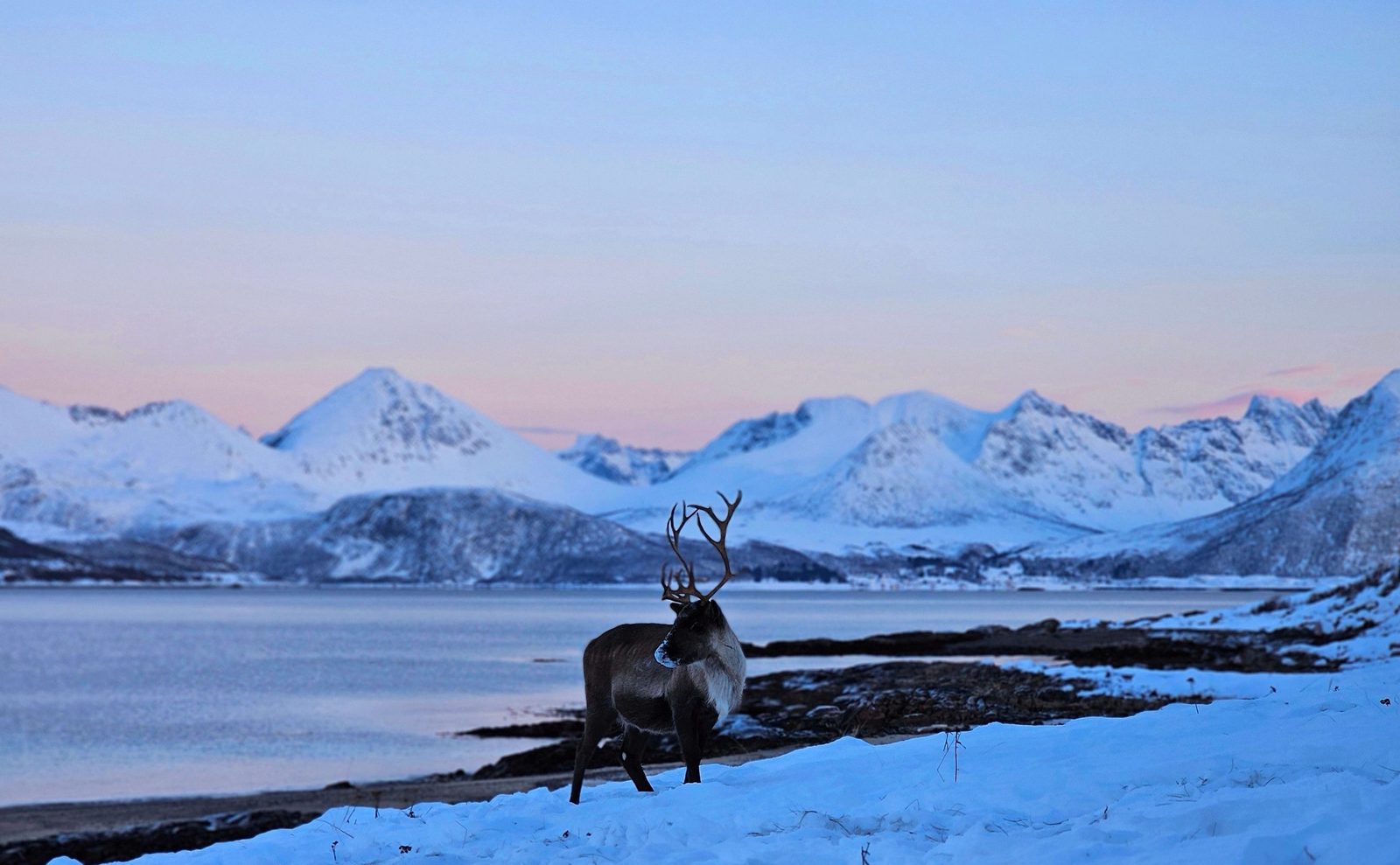 Small group · 5-6 HoursSommarøy & Kvaløya Scenic Fjord TourFrom NOK 2 100 per personBook with 5% off →
 Small group · 4 HoursArctic Snowshoe HikeFrom NOK 1 500 per personBook with 5% off →
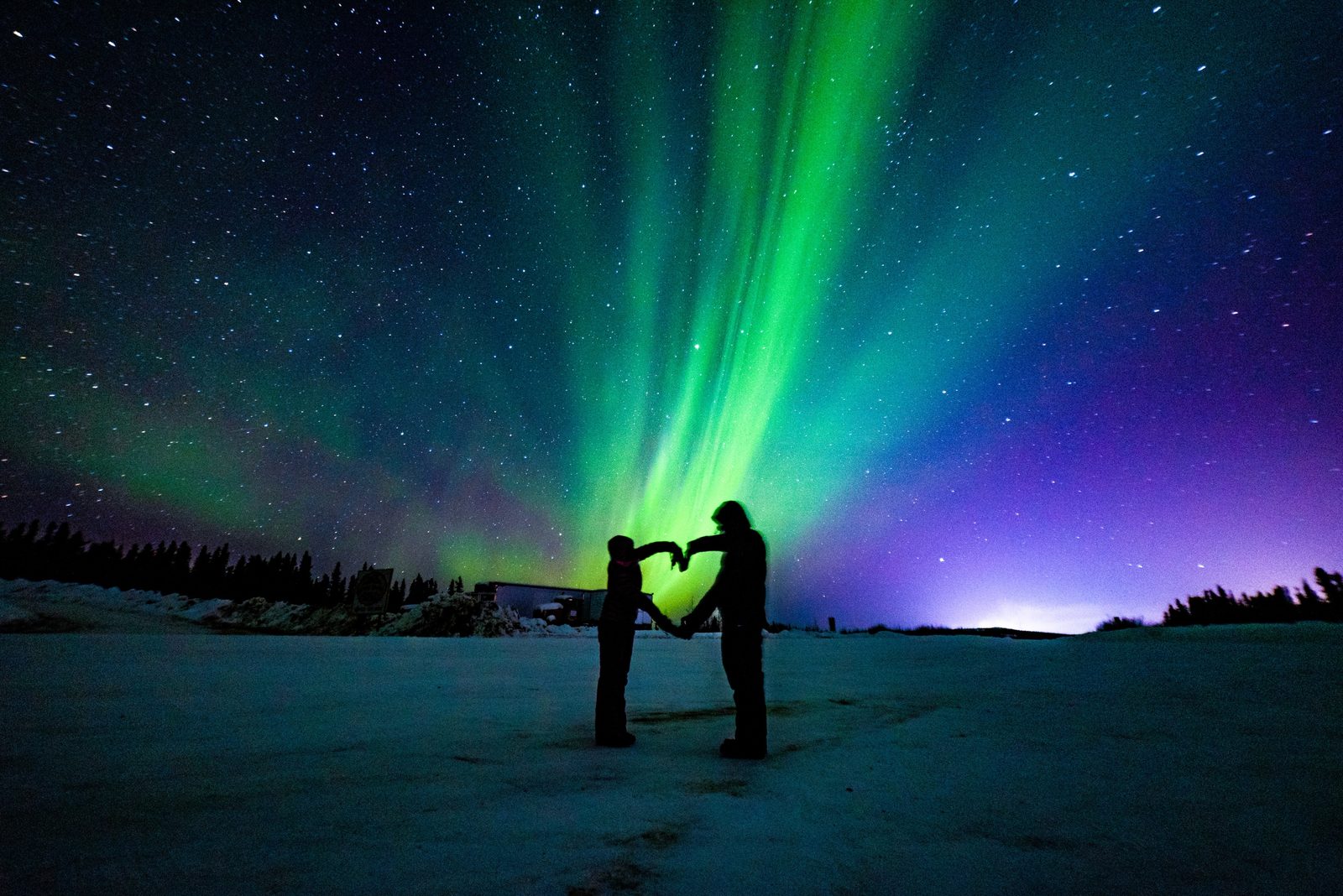 Private · 5-8 HoursPrivate Northern Lights TourFrom NOK 15 000 per group (private)Book with 5% off →
Prices in NOK from the operator’s live calendar. We are Legendary Adventure’s partner and may earn a small commission — it never changes your price.