Winter in the Faroe Islands: Is It Worth Going Off-Season?
A Rovaniemi-based couple who fell for the Faroes in summer asks the honest question — would we go back when the weather turns brutal? Here’s what we found out.
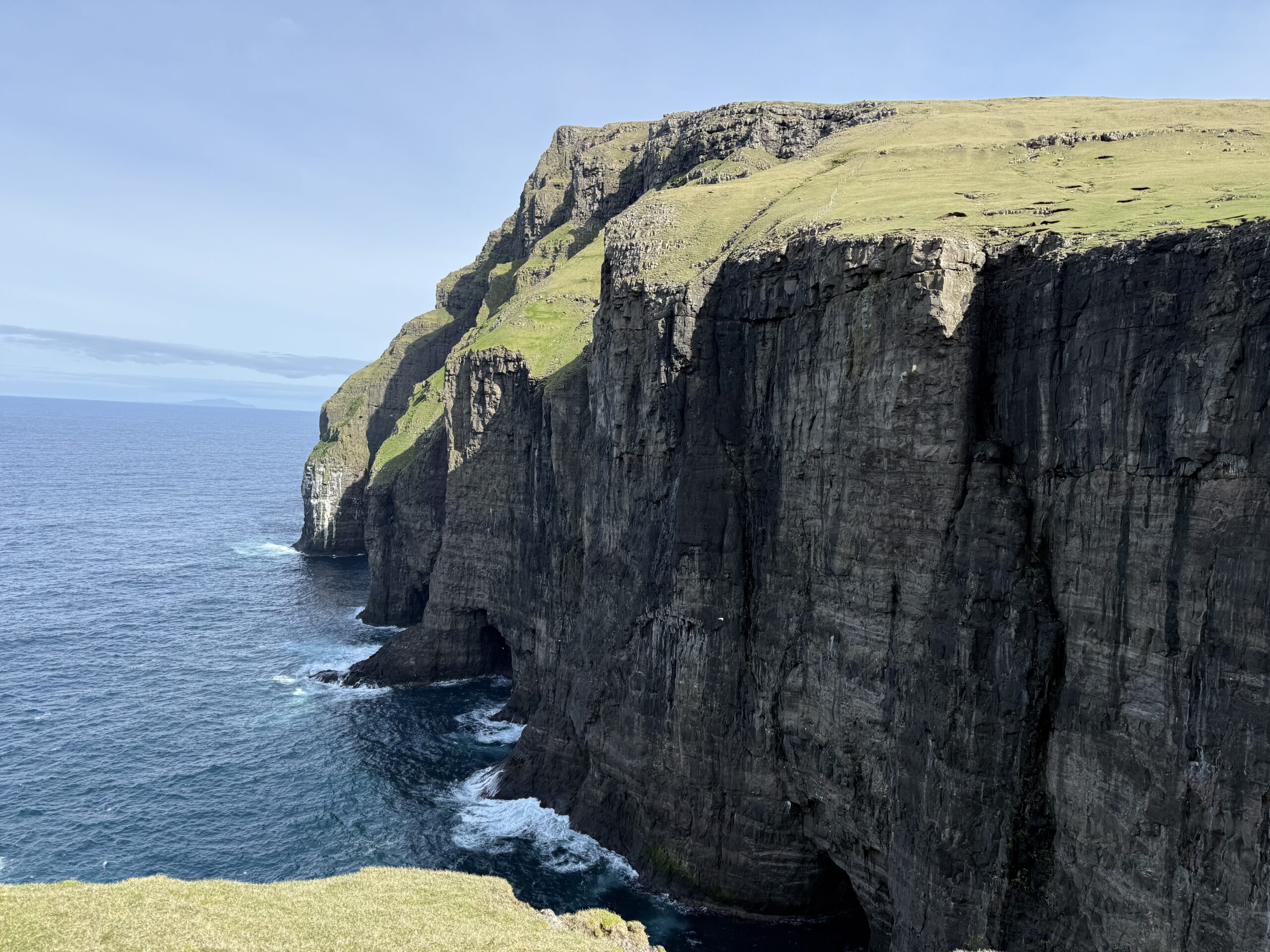
Yes — Faroe Islands winter is worth it if you want raw, empty landscapes, storm-watching from turf-roofed villages, and a side of the North Atlantic most visitors never see. It’s not easy travel. The weather is relentless, daylight is short, and some roads close without warning. But that’s exactly the point. You trade convenience for something most summer visitors will never experience.
- What winter in the Faroe Islands actually looks like
- Getting there and getting around in winter
- 8 things worth doing in the Faroe Islands off-season
- Weather, daylight, and what to pack
- Winter costs vs summer costs — real numbers
- Mistakes we’d make (and how to avoid them)
- Frequently asked questions
- A final word from Rovaniemi
What winter in the Faroe Islands actually looks like
When we visited the Faroes in summer, the light never really disappeared. The grass was electric green, puffins crowded Mykines, and we could hike until midnight without a headlamp. Winter flips every single one of those things.
From November through February, the Faroe Islands get roughly 5–7 hours of usable daylight. The sun barely clears the mountains before sliding back behind them. The grass turns brown. The puffins are long gone, somewhere out on the open Atlantic. And the wind — we thought Faroese summer wind was strong. Winter wind is a different category entirely.
The landscape doesn’t get worse — it gets different
What replaces the summer postcard is something we honestly find more compelling. Waterfalls get heavier with rain and whip sideways in the gales. Cloud banks roll across the ridges fast enough to watch in real time. Villages like Gjógv and Saksun sit under skies that shift from black to silver to pale gold in the space of an hour. If you care about moody, dramatic landscapes, winter is when the Faroes stop performing and start being honest.
Who winter is actually for
- Photographers — the light is low-angled and dramatic all day, not just at golden hour. Every hour is golden hour.
- Solitude seekers — summer tourism has grown fast; winter gives you the islands almost entirely to yourself.
- Storm lovers — if watching North Atlantic weather from a warm café sounds like a good time, this is your season.
- Budget travelers — flights and accommodation drop significantly off-season (more on this below).
Getting there and getting around in winter
The Faroe Islands don’t shut down in winter, but access gets more complicated. Here’s how the logistics actually work when the weather stops cooperating.
Flights
Atlantic Airways and Scandinavian Airlines fly to Vágar Airport year-round, primarily from Copenhagen, with seasonal connections from Reykjavík and Edinburgh. Winter schedules are thinner — expect 1–2 daily flights from Copenhagen instead of 3–4. Delays and diversions happen. Our advice: never book a tight connection on a winter departure day. Build in a buffer.
The Smyril Line ferry
The Norröna ferry from Denmark (Hirtshals) via Iceland runs year-round but on a reduced winter schedule — typically once weekly. The crossing takes roughly 36 hours and can be genuinely rough in winter seas. This is an option for travelers who enjoy ferry travel as part of the experience, not a shortcut.
Driving on the islands
A rental car is essential in winter. Buses run but with reduced frequency, and you’ll want the flexibility to chase weather windows. Roads are generally well-maintained — the Faroese are used to this — but mountain passes close during storms. The subsea tunnels connecting the main islands stay open regardless of weather, which is a genuine lifeline. Carry a full tank and check vegagerdin.fo (road status) every morning.
Helicopter and inter-island ferries
Atlantic Airways runs a subsidised helicopter service between islands — it’s absurdly cheap (around 150 DKK / €20 per flight) and doubles as a scenic experience. In winter, cancellations happen, but when they fly, there’s nothing like it. Inter-island ferries also run year-round but check schedules carefully — some routes drop to just a few sailings per day.
8 things worth doing in the Faroe Islands off-season
Not everything that makes the Faroes famous works in winter. Here’s what does — and what we’d prioritise on a 4–5 day off-season trip.
- Drive the Streymoy coast road — Vestmanna to Kvívík, empty and dramatic. No tour buses, no queues, just you and the Atlantic.
- Visit Saksun in the rain — the tidal lagoon village is atmospheric in summer but otherworldly when clouds sit in the valley and rain hammers the turf roofs.
- Eat at Ræst or KOKS — the Faroese food scene is world-class and easier to book in winter. Fermented lamb, wind-dried fish, foraged everything.
- Hike to Trælanípa (if conditions allow) — the famous cliff above Sørvágsvatn is accessible in winter on calm days. Check conditions with locals first; the path gets slippery.
- Take the helicopter to Mykines — no puffins, but the island itself is hauntingly empty and the lighthouse walk is still spectacular on a clear day.
- Storm-watch from Eiði — the northern tip of Eysturoy faces the open Atlantic. In a winter storm, the waves hitting the cliffs are extraordinary.
- Explore Tórshavn on foot — Tinganes (the old parliament district), the turf-roofed houses, the harbour. In winter, the coloured houses pop against grey skies.
- Look for the Northern Lights — yes, the Faroes are far enough north (62°N) for aurora. Clear nights are rare, but when they happen, there’s zero light pollution.
Honest travel stories, no spam
We send one email when we publish something worth reading. That’s it. Join 2,000+ readers.
Weather, daylight, and what to pack
Faroese winter weather isn’t cold by Nordic standards — temperatures hover around 3–6°C (37–43°F) thanks to the Gulf Stream. The challenge isn’t temperature; it’s wind and rain. Horizontal rain is the default, not the exception.
- Daylight in December: sunrise around 09:30, sunset around 15:00. That’s roughly 5.5 hours, but the twilight before and after extends usable light to maybe 7 hours.
- Daylight in February: noticeably longer — about 8–9 hours. February is our recommended sweet spot for a winter visit.
- Wind: sustained 50–70 km/h winds are common. Gusts over 100 km/h happen regularly. This isn’t an exaggeration — car doors can be ripped from your hands.
- Rain: expect rain on most days. Not heavy tropical rain — persistent, fine, wind-driven rain that finds every gap in your clothing.
What to pack (non-negotiable list)
- Hardshell waterproof jacket — Gore-Tex or equivalent. Not water-resistant. Waterproof. This is the single most important item.
- Waterproof trousers — over your regular trousers. You will need these every day.
- Waterproof hiking boots — ankle-height minimum. Trails are muddy and slippery.
- Layers, not bulk — merino base, fleece mid, hardshell outer. The temperature is mild; the wind chill is not.
- Windproof gloves and a beanie — your hands and ears will suffer first.
- A buff or neck gaiter — for when rain hits you horizontally in the face.
- Dry bags — for your camera, phone, and anything you want to keep dry in your backpack.
Winter costs vs summer costs — real numbers
The Faroe Islands are expensive year-round — there’s no getting around that. But winter travel is measurably cheaper than peak summer. Here’s what we’ve seen from our research and from quotes we gathered for a potential winter return trip.
- Flights (Copenhagen–Vágar): summer return €350–500. Winter return €180–280. That’s roughly 40–50% less.
- Car rental: summer 4 days ~€400–500. Winter 4 days ~€250–350. Fewer tourists means more availability and lower rates.
- Accommodation: a guesthouse double in Tórshavn runs €120–180/night in summer. In winter, €80–130. Some places close entirely, but what’s open is often negotiable.
- Restaurants: same prices year-round. A main course at a mid-range restaurant is 200–350 DKK (€27–47). Fine dining (KOKS, Ræst) is easier to book but not cheaper.
- Activities: boat tours to Vestmanna bird cliffs don’t run in winter. But hiking is free, the helicopter is €20, and most village walks cost nothing.
Rough 4-day winter budget for two: €1,400–1,800 total (flights, car, accommodation, food, fuel). In summer, the same trip runs €2,000–2,600. The savings are real, especially on flights and accommodation.
Mistakes we’d make (and how to avoid them)
We haven’t done a full Faroe Islands winter trip yet — but based on our summer experience, conversations with locals, and the research rabbit hole we’ve gone down, these are the mistakes we’re actively planning to avoid.
- Booking a 3-day trip — too short. Weather can wipe out entire days. We’d go for 5 days minimum to guarantee 2–3 good windows for hiking and driving.
- Skipping Tórshavn — in summer, the capital feels like a waypoint to the dramatic landscapes. In winter, when outdoor options narrow, Tórshavn’s restaurants, cafés, and harbour walks become the anchor of the trip.
- Assuming roads are always open — they’re not. Mountain passes close. The road to Saksun can be impassable. Check vegagerdin.fo daily and have a Plan B for every day.
- Packing for cold instead of wet — the temperature is surprisingly mild. The misery factor is 100% wind and rain. Waterproofing beats insulation every time.
- Not downloading offline maps — mobile coverage is good in villages but spotty on mountain roads. Download Google Maps or Maps.me offline for the entire archipelago before you land.
- Trying to see everything — in summer, long daylight lets you cram in multiple islands per day. In winter, with 5–6 hours of light and weather delays, one island per day is the realistic pace. Slow down or you’ll spend your entire trip driving in the dark.
Frequently asked questions
Can you see the Northern Lights in the Faroe Islands?
Yes. The Faroes sit at 62°N, well within the aurora belt. The challenge is cloud cover — the islands are overcast most of the time. But on clear winter nights, the Northern Lights are visible, and the lack of light pollution means they can be spectacular. It’s a bonus, not a guarantee — don’t plan a trip specifically for aurora.
Is anything closed in the Faroe Islands in winter?
Some guesthouses and smaller accommodation close from November to March. The Vestmanna bird cliff boat tours don’t run. A few hiking trails are officially closed or inadvisable. But restaurants in Tórshavn stay open, the subsea tunnels operate, ferries run (on reduced schedules), and the helicopter service continues. The islands don’t shut down — they just slow down.
What’s the best month for a winter visit?
February. The days are getting noticeably longer (8–9 hours of daylight), the worst of the December–January darkness is over, storms are slightly less frequent, and prices are still at winter lows. Late November is also interesting — you get some moody pre-Christmas atmosphere and occasional aurora.
Do I need a 4×4 rental car?
Not strictly necessary — roads are paved and maintained. But a 4×4 gives you more confidence on wet mountain roads and better visibility sitting higher in the wind. If budget allows, go for it. If not, a standard car with good tyres works fine on main routes.
How cold does it get in winter?
Not very — average temperatures are 3–6°C (37–43°F) thanks to the Gulf Stream. It rarely drops below freezing. Snow occasionally falls but rarely sticks at sea level. The real discomfort is wind chill combined with rain, not raw cold. Dress for wet and windy, not for Arctic temperatures.
Is it safe to hike in the Faroe Islands in winter?
Some hikes are safe in winter with proper preparation — Trælanípa on a calm day, village walks, coastal paths. But exposed ridge hikes (like to the top of Slættaratindur) can be dangerous in high winds. Always check conditions locally, tell someone your plan, and turn back if weather changes. The Faroese Mountain Rescue has a free app with real-time conditions.
A final word from Rovaniemi
We live in a place where winter lasts seven months and darkness is the default from November to January. So when we say the Faroe Islands in winter sounds appealing to us, understand the context — we’re not romanticising hard weather. We’re used to it. We just think some places reveal their real character when the crowds leave and the storms arrive.
The Faroes in summer were stunning. The light, the puffins, the hikes — all of it. But even in July, what stayed with us most was the raw power of the landscape. The way the wind shaped everything. The isolation of the villages. The feeling that the Atlantic was always right there, reminding you how small you are. Winter just turns all of that up.
Is it comfortable? No. Is it easy? Definitely not. Is it worth it? If the things that scare most tourists — short days, wild weather, empty roads — sound like features rather than bugs, then yes. The Faroe Islands in winter are absolutely worth it.
We’re planning our return trip for February 2027. We’ll update this guide when we get back. Until then — pack your Gore-Tex and download those offline maps.
Joona & Alla
A Finnish-Ukrainian couple based in Rovaniemi, inside the Arctic Circle. We’ve traveled through 25 countries together — always hungry for the next place, the honest story, and the meal that makes the trip. This blog is where we share what we’ve actually learned.
Read our story →