How Long to Spend in the Faroe Islands — Is 3 Days Enough?
We spent five days driving every island we could reach, and we still left feeling like we’d rushed. Here’s the honest breakdown of how many days the Faroe Islands actually need — from a quick stopover to the trip that does the place justice.
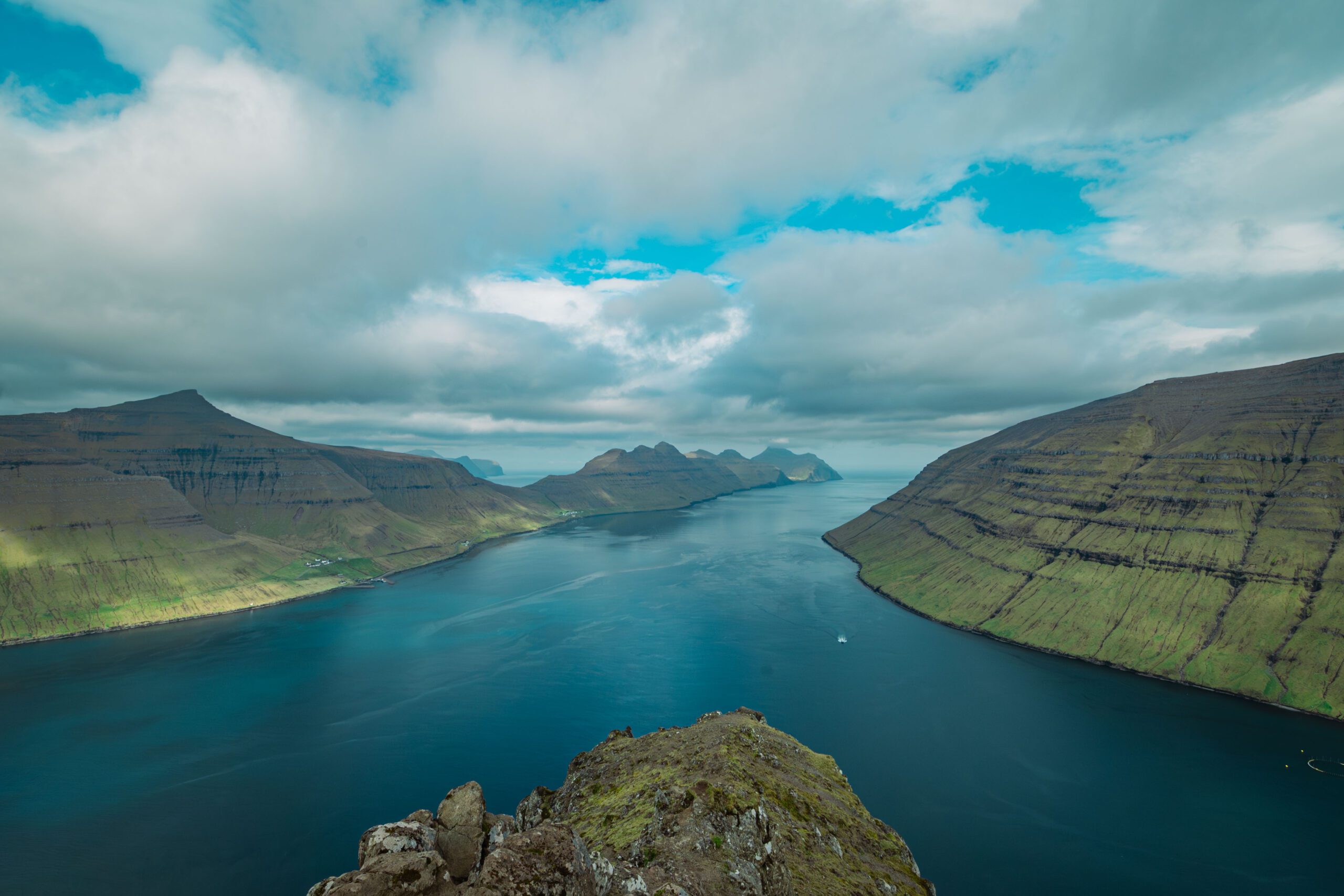
When we started planning our Faroe Islands trip, every blog post said the same thing: three days is enough. We booked five and still drove away wishing we’d had seven. The Faroe Islands look small on a map — 18 islands, barely 1,400 square kilometres — but the single-lane tunnels, unpredictable weather, and sheer density of places worth stopping at mean how long you spend in the Faroe Islands matters more than where you go.
This is the guide we wish we’d read before booking flights. We’ll break down what’s realistic at 2, 3, 5, and 7+ days so you can pick a length that matches your pace — not some travel blog’s highlight reel.
Three days in the Faroe Islands is doable but tight. You’ll see Tórshavn, Múlafossur waterfall, and one or two northern islands. For Mykines puffins, Kalsoy, and enough slack for weather delays, 5 days is the sweet spot. Budget travelers doing a stopover can manage 2 days if they accept a focused Streymoy-only trip.
Why trip length matters more in the Faroe Islands than most places
The weather factor
The single biggest variable in the Faroe Islands isn’t your itinerary — it’s the sky. We had one day where four seasons passed before lunch: bright sun at 8 am, sideways rain by 10, fog so thick we pulled over at noon, then a golden evening that made every photo look unreal. If you only have three days and two of them are fog, you’ve essentially seen Tórshavn and a lot of grey.
Five days gives you a buffer. On a 5-day trip, statistically you’ll get 2–3 days with enough visibility to hike and drive comfortably. On a 3-day trip, you might get lucky — or you might not.
The road situation
Distances look short on paper. Tórshavn to Gásadalur is only 50 km. But single-lane roads with passing places, subsea tunnels with toll stops, and the constant urge to pull over for a waterfall or a sheep on a cliff mean every drive takes longer than Google Maps promises. Budget 30–50% extra driving time over what your phone says.
- Subsea tunnels connect several islands but some are single-lane with designated passing bays — you need to pay attention and can’t rush.
- Mountain roads close without warning in fog. We had the Norðradalur pass shut on us mid-morning with no advance notice.
- Ferry schedules to smaller islands (Mykines, Hestur, Nólsoy) run once or twice daily. Miss it and your day plan falls apart.
How many days you actually need — a realistic breakdown
2 days (stopover / taster)
Two days works if you’re stopping between Iceland and mainland Europe and want a concentrated taste. Stick to Streymoy and Vágar — the two most accessible islands.
- Day 1: Fly in, pick up car, drive to Gásadalur for the Múlafossur waterfall, swing through Bøsdalafossur viewpoint, settle in Tórshavn for dinner.
- Day 2: Morning walk through Tórshavn’s Tinganes old town and harbour. Afternoon drive to Saksun (if the road is open). Evening flight out.
What you’ll miss: Mykines, Kalsoy, Gjógv, the northern islands, and any serious hiking. But you’ll understand why people come back.
3 days (the most common booking)
Three days is what most visitors book and what most blogs recommend. It works — barely. You need good weather on at least two of those days.
- Day 1: Vágar — Múlafossur, Bøsdalafossur lake hike, Gásadalur village.
- Day 2: Mykines boat (book ahead, weather-dependent) for puffins, or northern Eysturoy — Gjógv, Slættaratindur summit.
- Day 3: Tórshavn walking tour, Kirkjubøur historic village, Nólsoy ferry if time allows.
The risk: if the Mykines ferry cancels (it cancels often), your puffin day becomes a scramble. No buffer.
5 days (the sweet spot)
Five days is what we’d book again. Enough to see the highlights, absorb a weather day, and actually sit somewhere without checking your watch.
- Day 1: Vágar — Múlafossur, Bøsdalafossur, Gásadalur.
- Day 2: Mykines puffin day (or weather backup: Streymoy drives).
- Day 3: Northern Eysturoy and Borðoy — Gjógv, Klaksvík, Slættaratindur.
- Day 4: Kalsoy (ferry + hike to Kallur lighthouse), afternoon in Klaksvík.
- Day 5: Tórshavn, Kirkjubøur, slow morning, departure.
This pace lets you rebook Mykines if it cancels on Day 2 and still see everything that matters.
7+ days (the deep dive)
A week lets you add the southern islands (Sandoy, Suðuroy by ferry), do serious multi-hour hikes, and have genuine rest days where you sit in a village café watching clouds roll over the harbour. If you’re a photographer or a hiker, this is the length where the Faroes really open up.
Quick-reference planning cheat sheet
At a glance: what fits in each trip length
- 2 days: Vágar + Tórshavn. No ferries, no puffins, no northern islands. Fine for a taste.
- 3 days: Add Mykines OR northern Eysturoy. Not both comfortably. Weather-dependent.
- 5 days: All highlights plus a weather buffer. Mykines, Kalsoy, Gjógv, Tórshavn. Our recommendation.
- 7 days: Add Sandoy, Suðuroy, serious hikes, and genuine slow days.
- Best months: June–August for puffins and longest daylight. May and September for fewer crowds and dramatic light.
- Car essential? Yes, unless you’re only doing Tórshavn. Public buses exist but are too infrequent for short trips.
- Book Mykines early: The ferry and helicopter fill up weeks ahead in summer. Don’t wait.
- Tunnel toll: Register your car at the toll website before driving. Unregistered cars get fined.
Honest travel stories, once a month
No spam, no affiliate dumps — just the trips we’re actually planning from our home in Finnish Lapland.
What actually affects your Faroe Islands schedule
The real schedule-breakers
- Ferry cancellations. The Mykines ferry cancels in rough seas. The Kalsoy ferry runs on a tight schedule. Check the Strandfaraskip Landsins app the night before and have a backup plan every single day.
- Fog on mountain passes. Some roads close or become genuinely dangerous in zero-visibility fog. If Norðradalur or Gásadalur road is fogged in, reroute — don’t push through.
- Daylight hours. In June you get nearly 24 hours of usable light. In September, you lose it fast after 7 pm. Plan hikes for midday in shoulder season.
- Accommodation scarcity. The Faroes have limited hotels. In peak summer, everything books out months ahead. Airbnbs in villages fill fast too. Book early or you’ll end up driving further than planned between your base and the day’s activities.
- Helicopter flights. Atlantic Airways runs the only Mykines helicopter (stunning, cheap, but very limited seats). If you get a booking, build your day around it — it won’t wait.
- Sunday closures. Some restaurants and shops close on Sundays, especially in smaller villages. Stock up on Saturday if your Sunday plan involves anywhere outside Tórshavn.
What a Faroe Islands trip costs by length
The Faroes aren’t cheap, but they’re not Iceland-expensive either. Here’s what we actually spent as a couple in summer, self-catering most meals with a rental car.
- Flights: €200–400 return from Copenhagen or Reykjavík (book early for the low end).
- Rental car: €70–100/day for a small 4WD. Essential unless you’re Tórshavn-only.
- Accommodation: €100–160/night for a basic Airbnb or guesthouse. Hotels in Tórshavn run €180–250.
- Food (self-catering): €30–40/day as a couple from supermarkets. Eating out: €25–40 per person per meal.
- Tunnel tolls: €10–15 total for a 5-day trip with multiple tunnel crossings.
- Mykines ferry: ~€15 return per person.
- Rough total for 3 days: €700–1,000 per person (flights included, self-catering, shared car and Airbnb).
- Rough total for 5 days: €1,000–1,400 per person on the same basis.
- Rough total for 7 days: €1,300–1,800 per person.
The biggest cost jump between 3 and 5 days is accommodation and car rental. Flights and tunnels stay the same. That extra €300–400 buys you the weather buffer and Kalsoy day that make the difference between a rushed trip and one you’ll actually recommend to friends.
Timing mistakes we made (so you can skip them)
- We didn’t book Mykines early enough. The puffin ferry was sold out for two of our five days. We got on by checking cancellations obsessively the night before. Book 3–4 weeks ahead in summer.
- We underestimated driving times. Every road looked short on the map. Single-lane tunnels, sheep crossings, and irresistible pull-over views added 30–60 minutes to every drive.
- We planned too many islands on one day. Trying to hit Kalsoy AND northern Eysturoy in one day left us exhausted and rushing past villages we should have walked through.
- We didn’t register the car for tunnel tolls. We got a fine notice after returning home. Takes five minutes online — do it before you pick up the car.
- We packed for Iceland, not the Faroes. The Faroes are warmer and wetter than Iceland in summer. We over-packed thermals and under-packed rain layers. Bring a proper waterproof shell and skip the heavy down jacket in June–August.
- We assumed Sunday would be normal. Showed up to a village with one restaurant — closed. Had to drive 40 minutes back to Tórshavn for dinner. Pack snacks for Sundays.
Frequently asked questions
Is 3 days enough for the Faroe Islands?
Three days lets you see Vágar (Múlafossur, Bøsdalafossur), Tórshavn, and one other highlight like Mykines or Gjógv — but only if the weather cooperates. If you lose a day to fog, three days feels very rushed. Five days is a much safer bet.
What is the ideal number of days for the Faroe Islands?
Five days is the sweet spot for most visitors. You can cover the main islands, absorb one weather day, and still have time to sit in a village harbour without watching the clock. Seven days is ideal for hikers and photographers.
Do I need a car in the Faroe Islands?
Yes, unless you’re only staying in Tórshavn. Public buses exist but run infrequently, especially to popular spots like Saksun, Gjógv, and Gásadalur. A rental car gives you the flexibility to reroute when weather shuts down your plan.
When is the best time to visit the Faroe Islands?
June through August for puffins, long daylight, and the warmest weather (still cool — expect 10–14°C). May and September offer fewer tourists and dramatic storm light, but shorter days and rougher seas that cancel more ferries.
Can I see puffins in the Faroe Islands in 3 days?
You can try. Puffins are on Mykines from late April to mid-August, and the ferry runs daily in summer. But the ferry cancels in rough weather. With only 3 days, you get one — maybe two — shots at the crossing. Five days gives you much better odds of catching a calm day.
How expensive is the Faroe Islands compared to Iceland?
Roughly 15–25% cheaper overall. Car rental, fuel, and food are slightly lower. Accommodation is comparable. The biggest saving is that the Faroes are smaller, so you drive less and burn less fuel. A 5-day Faroe trip costs roughly what a 4-day Iceland trip does.
A final word from Rovaniemi
We came to the Faroe Islands expecting a smaller, quieter Iceland. What we found was something completely different — a place where every village sits at the edge of the Atlantic like it’s been daring the ocean for centuries, where the weather changes your plans and somehow makes them better, and where five days felt like a week because every hour had so much texture.
If you’re debating between 3 and 5 days, book 5. The extra two days cost less than you think and they’re the difference between ticking off viewpoints and actually understanding why the Faroes make people come back. And if you can swing 7 — book the Suðuroy ferry. That’s where the Faroes stop performing for tourists and just exist.
We’ll keep updating this as ferry schedules and tunnel tolls change. If you’re planning a trip and want to compare notes, drop us a line — we love talking about the North Atlantic.
Joona & Alla
A Finnish-Ukrainian couple living in Rovaniemi, Finland. Joona is a marketing professional in Lapland tourism; Alla is an AI Engineer. Together we’ve visited 25 countries and share honest, locally-grounded travel writing from our home in the Arctic.
Read our full story →