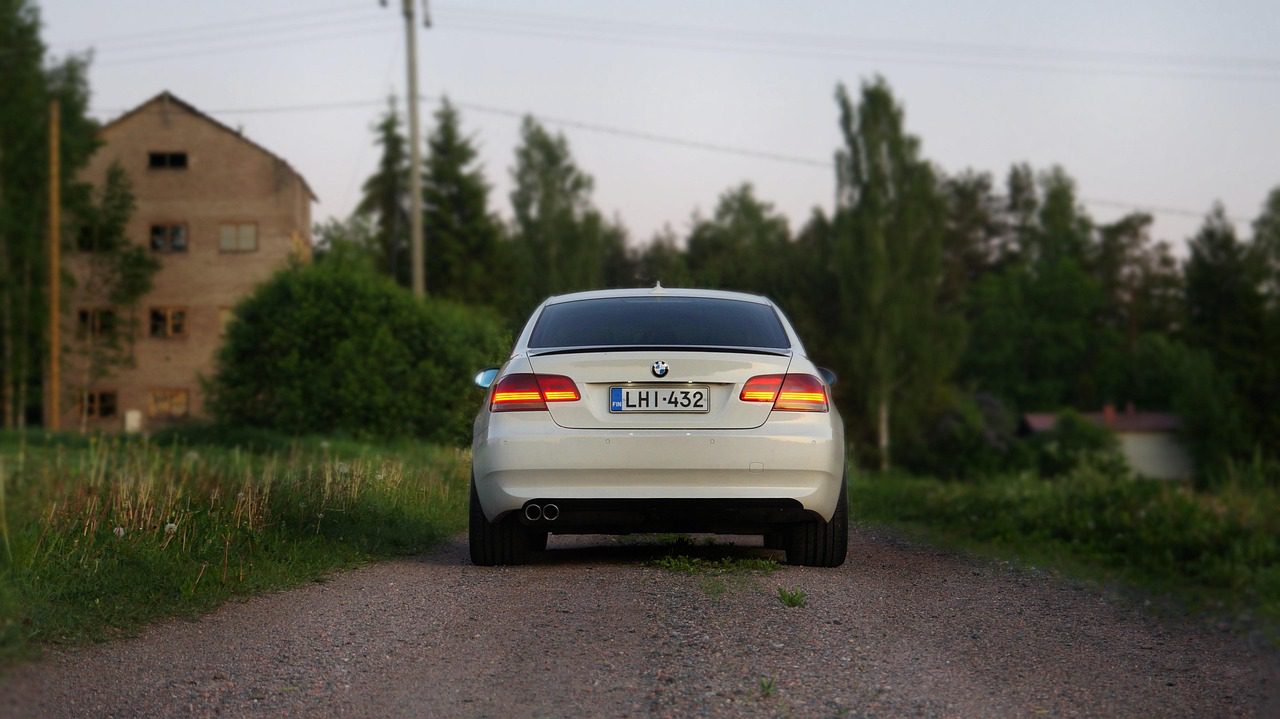
We rent cars in Finland more than most people travel to Finland. A weekend drive to the Saariselkä fells, a client transfer from Rovaniemi Airport up to Saariselkä, a summer road trip from Rovaniemi all the way down to the Turku Archipelago — a rental car is how we actually use this country. After hundreds of kilometres in hire cars in Finnish Lapland, the south coast, and everywhere in between, we want to share what the booking platforms don’t tell you when you search rent car Finland.
This guide is for first-timers who aren’t sure what to expect, but also for people who’ve rented in other European countries and assume Finland works the same way. It mostly does — except for the parts that really don’t.
To rent a car in Finland you need a valid driving licence (any EU/EEA licence works; most international licences accepted), a credit card in the driver’s name, and you must be at least 20–23 years old depending on the company. In summer the process is straightforward; in winter, always book a car with studded tyres or winter tyres, and expect an extra daily fee for that. Prices are competitive by Western European standards, and driving in Finland is genuinely easy once you understand the speed-limit and wildlife rules.
Requirements: licence, age, and card
The basics for renting a car in Finland are similar to the rest of the EU, but there are a few specifics worth knowing before you arrive at the counter.
Driving licence rules
- EU/EEA licences: accepted without any additional paperwork at all rental companies. Hand it over and you’re done.
- UK driving licences: still fully accepted post-Brexit. No international permit needed.
- US, Canadian, Australian, New Zealand licences: accepted by most major companies (Hertz, Avis, Budget, Enterprise, Europcar, Sixt). Some local companies may ask for an International Driving Permit (IDP) alongside your national licence — it’s worth carrying one to be safe.
- Other non-EU licences: Finland requires the licence to be in Latin script or accompanied by an IDP. If your licence uses a non-Latin script (Arabic, Chinese, etc.), get an IDP before you travel.
- Licence must be held for at least 1–2 years — most companies require 1 year of clean licence history; premium or larger vehicles often require 2 years.
Age requirements and young driver fees
- Minimum age: 20 at most major companies, 21 at some, 23 for certain vehicle classes (SUVs, automatics, camper vans).
- Young driver surcharge: typically €8–€18/day extra for drivers aged 20–24. Budget it in.
- Maximum age: some companies cap at 70 or 75 — check in advance if this applies.
- Additional drivers: usually €3–€8/day. All drivers must be present at pick-up with their own licence.
How to book: companies, airports, and what we use ourselves
Finland has a solid mix of international chains and local operators. Here is how we’d approach the decision.
Which companies operate in Finland
- Hertz, Avis, Budget, Europcar, Sixt, Enterprise: all have desks at Helsinki-Vantaa (HEL) and most regional airports (Rovaniemi, Oulu, Tampere, Turku, Ivalo). Competitive on price, reliable, winter-equipped in season.
- Loxodonta Rent-a-Car (local): strong in Rovaniemi — often slightly cheaper than the chains for longer rentals, good fleet of Lapland-ready vehicles.
- Scandia Rent: Scandinavian chain with Finnish locations, good value on longer weekly rentals.
- Budget.fi / OK Rent a Car: online-first budget operators. Fine for city rentals; less reliable for Lapland winter conditions — always call ahead and confirm winter tyre equipment.
Where to pick up
- Airports: easiest option. Helsinki-Vantaa, Rovaniemi, Oulu, and Ivalo all have rental desks in the arrivals hall. Hours match flight schedules.
- City centre offices: available in Helsinki, Tampere, Turku, and Oulu. Useful if you’re arriving by train. Be aware city parking is expensive — consider picking up on the day you actually leave the city.
- One-way rentals: possible but incur a fee, usually €80–€200 depending on the distance (e.g., Helsinki → Rovaniemi). Worth it for one-way road trips; just budget it in early.
What to check before you drive away
This is the step most renters skip, and then regret. Finnish rental companies are professional but any pre-existing damage you fail to document becomes your liability. Walk around the car before you leave the lot.
Pre-departure checklist — 8 things to verify
- Existing damage marked on the diagram: compare the paper or app diagram against the actual car. Photograph every dent, scratch, and scuff yourself even if it’s already marked.
- Tyre type: in winter (roughly November through March), verify the car has studded tyres or M+S winter tyres. Ask the agent explicitly. Studded tyres on ice are not optional in Lapland.
- Fuel type: Finland uses E10 petrol widely, diesel is common, and some newer fleets are hybrid or EV. Get this confirmed before you drive away — misfuelling is expensive.
- Full tank confirmation: most rentals come with a full tank and you return it full. Verify it is actually full at pick-up (the gauge, not just the agent’s word).
- Spare tyre or tyre inflation kit: Finnish roads in winter occasionally mean a flat. Check which you have. Some modern cars have run-flat tyres instead — know this.
- Ice scraper and snow brush: should be in the boot on any Finnish rental in winter. If it’s missing, ask for one. You’ll need it immediately.
- Navigation: most rentals now rely on your phone, but confirm whether the car has built-in sat-nav if you need it. Signal in Lapland can be patchy.
- Emergency contact number: take a photo of the rental agreement or save the roadside assistance number. Finnish winters and remote roads mean this matters.
Finland travel tips, direct from the Arctic
Monthly notes on Finnish roads, seasons, and the things no guidebook covers. From our home in Rovaniemi.
Insurance and add-ons: what to take and what to skip
Finnish rental insurance has the same structure as everywhere in Europe, but winter conditions change the calculus a little. Here is how we think about it.
- CDW (Collision Damage Waiver): usually included in the base rate. Reduces your liability for body damage to a specific excess, typically €500–€2,000. We always upgrade to zero-excess CDW in winter — one icy car park and you’ll understand why.
- TP (Theft Protection): included by default at most chains. Verify it’s on your agreement.
- Super CDW / Full Cover: reduces your excess to zero. Worth it for winter driving in Lapland. Typically costs €12–€22/day extra.
- Personal Accident Insurance (PAI): covers medical costs and death/disability. Check your travel insurance first — many comprehensive travel policies already cover this. Don’t pay twice.
- Roadside assistance upgrade: standard Finnish rentals include basic roadside assist, but the upgrade covers things like getting stuck in snow. Costs €3–€6/day and is genuinely useful in Lapland winter.
- Reindeer and wildlife collisions: this is the one Finland-specific clause to read carefully. Standard CDW may not cover collisions with reindeer — this is a real thing in Lapland. Ask explicitly, and consider whether your own travel insurance covers it. Reindeer damage is classified differently than a regular collision in Finland.
Winter tyres and driving in Finland in winter
If there is one section of this guide that matters above all others, it is this one. Finnish winter driving is different from winter driving almost anywhere else in Europe, and renting a car without understanding this leads to accidents.
- Winter tyres are legally mandatory in Finland from December 1 to February 28 (and in practice from November when conditions deteriorate). Rental cars in Finland must be equipped with them. Verify this before you leave the lot.
- Studded tyres vs. friction tyres: studded (nasta) tyres are metal-studded for maximum grip on compacted snow and ice. Friction (kitka) tyres are stud-free but still winter-rated. In Lapland, studded is strongly preferred for December through February. Rental companies typically fit studs as standard in the north.
- Speed limits are lower on ice: the Finnish speed limit system is seasonal — summer limits (100 or 120 km/h on motorways) drop to 80 km/h in winter conditions. Road markings flip from blue to black to signal the change. Obey them; Finnish police enforce them and conditions are genuinely dangerous at summer speeds.
- Black ice (musta jää): Finnish roads in November, March, and during temperature swings are prone to invisible black ice. Slow down before bridges and shaded stretches. On ice, gentle inputs — no sudden braking or sharp steering.
- Reindeer on roads: in Lapland, reindeer roam freely across roads and are especially active at dawn, dusk, and night. They are drawn to salted roads in winter. Drive below the speed limit in reindeer country, watch the verges, and do not swerve suddenly — a controlled slow hit is safer than rolling the car.
Road rules Finnish drivers actually follow
Finland’s road rules are strict and almost universally obeyed. Speed cameras are common, fines scale to your income (a Finnish day-fine can run into thousands of euros), and drink-driving has a very low tolerance. Here is what matters in practice.
- Speed cameras: Finland has average-speed cameras on many rural roads. They’re not always visible. Don’t trust that the road looks empty.
- Headlights on at all times: mandatory in Finland at all times of day, year-round. Rental cars usually set these automatically — verify they are running in daylight too.
- Right of way on unmarked roads: Finland follows the rule that traffic from the right has priority on unmarked intersections. This surprises many visitors. At a crossroads with no signs, the car coming from your right goes first.
- Alcohol limit: 0.5 mg/ml (blood alcohol) — lower than the UK (0.8), effectively zero for practical purposes. If you’ve had wine with dinner, don’t drive.
- Mobile phone use: illegal while driving even for hands-free in some interpretations — mount your phone properly before setting off.
- Elk warning signs: yellow diamond signs with a moose silhouette mean the next stretch has documented animal crossings. Slow down. A Finnish moose can weigh 500 kg and totals a car at 80 km/h.
- Overtaking: Finnish roads have many single-carriageway stretches with periodic overtaking lanes. Wait for the dedicated lane rather than overtaking on narrow sections.
- Petrol stations in Lapland: distances between fuel stops can be 80–120 km in northern Finland. Don’t let your tank drop below half when driving in Lapland.
Mistakes we see renters make (and that we made ourselves)
- Not photographing the car before driving away. We’ve seen renters charged for damage that was there before they took the keys. Photograph every panel, every wheel, every corner. Takes three minutes, could save you hundreds.
- Booking a summer car in October. October in Finland can look mild in the forecast and be completely iced over in reality. Always book a winter-tyre car from October through April, even if the booking site doesn’t prompt you.
- Underestimating distances in Finland. Finland is big and the road network is thin in the north. Helsinki to Rovaniemi is nearly 800 km by road. Lapland is not a day trip from Helsinki.
- Returning the car with less fuel. Most Finnish rentals are full-to-full. The penalty for returning empty is steep — usually market rate plus a €30–€50 service fee. Fill up before the last motorway exit, not at the airport station (the most expensive pump in Finland).
- Ignoring the reindeer insurance clause. We mentioned it in the insurance section but it bears repeating. Reindeer collisions are not rare in Lapland. We know people who have hit them. Check your policy.
- Parking in Helsinki city centre without checking. Helsinki’s parking rules are metered and zone-based. Many streets have time-limited free periods followed by fees. The city parking app (EasyPark or ParkMan) makes it manageable, but renters who ignore it return to tickets.
Frequently asked questions about renting a car in Finland
Can I use my US or UK driving licence to rent a car in Finland?
Yes. A valid US, UK, or most other national licences are accepted by all major rental companies in Finland. An International Driving Permit (IDP) is not required for English-language licences, but is recommended if your licence is in a non-Latin script. Keep your original licence with you at all times while driving.
Do I need winter tyres when renting in Finland?
By law, rental cars in Finland must be fitted with winter tyres from December 1 to the end of February, and in practice any time there is ice or snow on the roads. Rental companies fit them as standard in this period, especially in the north. Before driving away, ask the agent to confirm the tyres are either studded (nasta) or friction winter-rated. In Lapland from November through March, studded is strongly preferred.
What is the minimum age to rent a car in Finland?
Most major companies set the minimum at 20, with some requiring 21 or 23 for specific vehicle categories. Drivers aged 20–24 typically pay a young driver surcharge of €8–€18 per day. Bring proof of age at pick-up.
Is it safe to drive in Finnish Lapland in winter?
Yes, with the right preparation. The roads are well-maintained and Finns drive in these conditions routinely. The key is: book a car with studded tyres, reduce your speed significantly on ice and snow, watch for reindeer, and plan fuel stops because distances between stations can exceed 100 km in remote areas. Avoid night driving in reindeer territory if possible — they are very active after dark.
Can I do a one-way rental in Finland — for example Helsinki to Rovaniemi?
Yes, all major companies offer one-way rentals within Finland. Expect a one-way fee of roughly €80–€200 depending on the distance and company. Book it clearly at the time of reservation, not at pick-up, to lock in the rate.
What happens if I hit a reindeer with a rental car?
In Finnish Lapland, reindeer are semi-domesticated and herded by Sámi families. A collision is treated differently from a standard road accident. You are legally required to report any animal collision to the police (call 112 or the non-emergency number 0295 415 415). The rental company’s standard CDW may not automatically cover reindeer collisions — check your policy in advance and ask explicitly. Your travel insurance may fill this gap.
A final word from Rovaniemi
We drive rented cars across Finland constantly — for work, for personal trips, and for the kind of spontaneous detours that make living in the north worth it. The system works well. Finnish roads are excellent, drivers are disciplined, and the scenery from behind a windscreen changes by the season in ways that never get old.
The one thing we’d tell every visitor is this: rent the car in Finland, not from a foreign broker. Booking with an aggregator that locks you into a specific insurance product back home often means you arrive to find you don’t have the right winter tyre coverage, or the CDW you paid for doesn’t apply to reindeer. Go direct with a Finnish operator or one of the international chains’ Finnish sites, read the winter clause, photograph everything at pick-up, and then enjoy the road. Finland was built for driving.
Joona & Alla
A Finnish-Ukrainian couple living in Rovaniemi, Finland. Joona is a marketing professional in Lapland tourism; Alla is an AI Engineer. Together we’ve visited 21 countries and share honest, locally-grounded travel writing from our home in the Arctic.
Read our full story →