How to Plan a Summer Trip to Finland (Step-by-Step Guide for 2026)
A couple based in Rovaniemi walks you through everything you actually need to plan a Finland summer trip — from when to go and where to stay to what to pack and what no travel article ever warns you about.
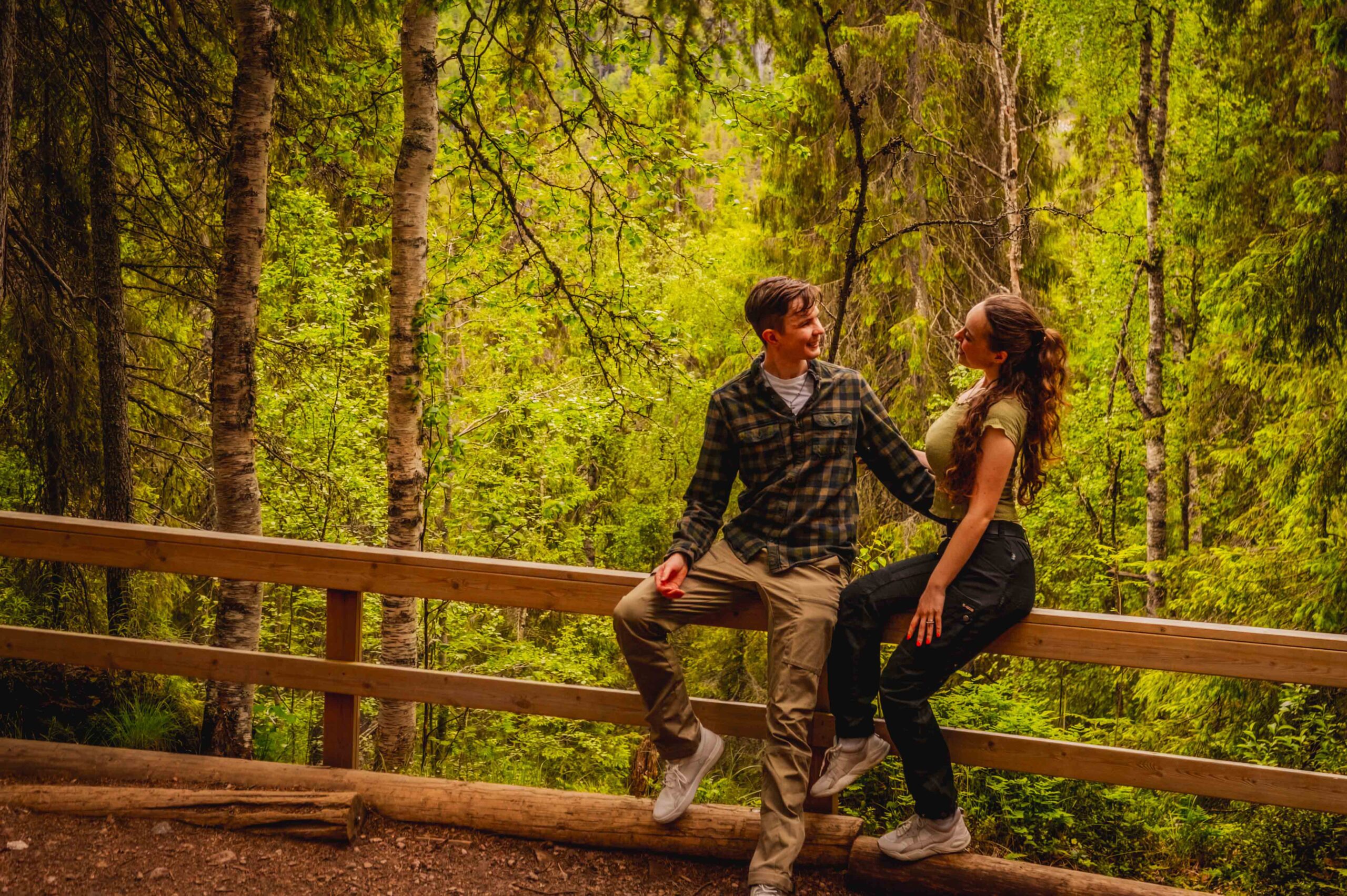
We’ve planned dozens of trips across 25 countries, but the question we get asked most often — from friends, from social media followers, from strangers at the airport — is always some version of the same thing: how do I actually plan a summer trip to Finland?
Not the general “visit Finland in summer” advice you find everywhere. The real, granular version. When exactly should you go? What region do you pick? How do you get around? And what does Finland in summer actually feel like — because it’s genuinely unlike anywhere else we’ve traveled.
We live in Rovaniemi, on the Arctic Circle. We’ve experienced Finnish summer from Lapland to Helsinki, from the archipelago to the national parks. This is the guide we wish someone had handed us when we were first figuring it out ourselves.
The best time to plan a summer trip to Finland is June through August, with June giving you the midnight sun at its most extreme and July being the warmest and most active month. Book accommodation early — especially in Lapland and the archipelago — rent a car for flexibility, and build at least one slow day into every region you visit. Finland rewards patience more than pace.
When to go — the honest month-by-month breakdown
Finnish summer officially runs from June through August, but each month has a genuinely different character. Understanding the difference is the first real step in planning your trip.
June — midnight sun, cool air, empty trails
June is the most dramatic month to visit Finland. In Rovaniemi and further north, the sun doesn’t set at all for several weeks around Midsummer (Juhannus, June 19–20 in 2026). Even in Helsinki, you get 19-plus hours of daylight and a sky that never goes fully dark. Temperatures are mild — typically 15–22°C in the south, 10–18°C in Lapland — and crowds are lower than July because many European tourists think of Finland as a winter destination only.
- Best for: midnight sun experiences, Juhannus celebrations, hiking national parks before peak season crowds
- Watch out for: mosquitoes in the north, especially around lakes and wetlands in late June
- Book ahead for: waterfront cottages for Juhannus — these go months in advance
July — warmest, most social, most active
July is Finland’s summer at full volume. Temperatures regularly hit 25–28°C in the south. Finns are on holiday en masse: the cities empty out, the countryside fills up, and every lake, archipelago, and national park feels alive in a way that doesn’t happen any other month. It’s also the easiest month to visit if you’re coming from elsewhere — more services are open, more tours are running, and the weather is most reliably warm.
- Best for: archipelago island-hopping, lake swimming, outdoor festivals, Helsinki’s outdoor bars
- Watch out for: cottages and popular campsites can be fully booked weeks in advance
- Best weather window: late July tends to have the most stable high-pressure weather
How to choose your region — and what you’ll actually experience
Finland is big — about the same area as Germany plus Poland combined — and the summer experience varies enormously between regions. Most first-time visitors should anchor around one or two areas rather than trying to cover everything.
The four summer regions to consider
- Helsinki and the South Coast: urban culture, archipelago day trips, excellent food scene, easiest logistics. Great as a base for 2–3 days before heading inland or north.
- Finnish Lakeland (Tampere, Savonlinna, Saimaa area): classic Finnish summer — swimming, rowing, smoke saunas by the water, slow ferry cruises. This is the mökki heartland. Best for families and anyone who wants a genuine Finnish summer without driving to Lapland.
- Archipelago (Turku Archipelago, Åland Islands): ferry-hopping between islands, cycling on flat roads, seafood, Swedish-Finnish culture. Underrated and genuinely beautiful in a quieter way than Norway or Iceland.
- Lapland (Rovaniemi, Pyhä, Saariselkä, Kilpisjärvi): midnight sun hiking, fell landscapes, absolute silence, reindeer on roadsides. The most unusual Finnish summer experience — and the one people remember longest. Requires more planning and a car.
Our honest recommendation for a first-time visitor with 7–10 days: spend 2 nights in Helsinki, then drive or take the train north into Lakeland for 3–4 nights, and if you have time, push up to Rovaniemi for 2–3 nights. That arc gives you the full range of Finnish summer in a single trip.
The Finland summer planning checklist — 8 things to do before you book
We’ve helped a lot of friends and followers plan Finland trips. These are the eight things that consistently separate a smooth trip from a stressful one.
☐ Decide your anchor region (Helsinki / Lakeland / Archipelago / Lapland — or a combination)
☐ Pick your dates: June for midnight sun, July for warmth, August for blueberries and autumn colours starting in Lapland
☐ Book accommodation first — especially any lakeside cottage, archipelago cabin, or Rovaniemi lodge
☐ Reserve a rental car if you’re going anywhere outside Helsinki (essential for Lapland, very useful for Lakeland and Archipelago)
☐ Buy a Finnish SIM or eSIM — coverage is excellent even in remote areas
☐ Download offline maps for your regions in Google Maps or Maps.me
☐ Read up on Everyman’s Right (jokamiehenoikeus) — you can camp, swim, and pick berries almost anywhere for free
☐ Pack for variable weather: Finnish summer can flip from 27°C to 12°C with rain in the same afternoon
Finland travel tips, straight from the Arctic
We send honest, locally-grounded dispatches from Rovaniemi — no generic content, no sponsored nonsense.
Getting around Finland in summer — what actually works
Transport is the question we get most after “when should I go.” Finland has surprisingly good options, but the right one depends entirely on where you’re going.
Transport options ranked by flexibility
- Rental car (highest flexibility): essential for Lapland and the archipelago, very useful for Lakeland. Petrol is expensive but roads are excellent and empty. Speed limits are 80–120 km/h on highways. Elk and reindeer crossings are real — take them seriously.
- Train (best for Helsinki–Tampere–Oulu–Rovaniemi corridor): VR trains are comfortable and punctual. The overnight train from Helsinki to Rovaniemi is one of the great travel experiences — a sleeping cabin arrives you at the Arctic Circle fresh in the morning. Book on vr.fi well ahead.
- Bus (covers smaller towns the train doesn’t): OnniBus and Matkahuolto serve routes the train skips. Slower but affordable.
- Ferry (archipelago only): The archipelago ferry network from Turku and around Åland is free for passengers and cyclists. A genuine highlight of a Southwest Finland trip.
- Cycling (underrated for South and Archipelago): Flat terrain in the southwest and archipelago makes cycling genuinely practical. E-bike rentals are available in most larger towns.
One combination that works very well for a 10-day trip: fly into Helsinki, take the overnight train to Rovaniemi, rent a car there for 3–4 days of Lapland exploration, return the car, fly or train back to Helsinki, and spend the last 2 days exploring the city and nearby archipelago day trips.
What to pack for a Finnish summer — it’s not what you think
Most people pack for Scandinavia in winter and are confused when their Finland summer trip turns out warm and light-filled. But the weather is genuinely unpredictable, and the range of conditions you can encounter in a single week is wider than almost anywhere else we’ve traveled.
The Finnish summer packing reality
- Light layers, not summer dresses only: you’ll want a fleece or light down jacket for evenings, even in July. Lapland at midnight sun can drop to 8°C even in midsummer.
- Rain gear is non-negotiable: a packable waterproof jacket and waterproof shoes. Finnish weather forecasts are unreliable beyond 24 hours — dress for it.
- Mosquito repellent (the strongest you can find): Finnish mosquitoes in Lapland in June and early July are not a joke. DEET-based repellent, not citronella.
- Swimwear: you will swim. In a lake, from a dock, in a sea pool in Helsinki, or after a sauna wherever you end up. Pack it even if you think you won’t use it.
- Hiking shoes, not trail runners: Finnish trails are often wet, rooted, or marshy. Waterproof hiking boots earn their weight in Lapland and national parks.
- A sleep mask: you will want one, especially if you’re sleeping in Rovaniemi in June. Blackout curtains are standard in Finnish accommodation, but a sleep mask is backup.
The mistakes we see first-time Finland visitors make
We’ve watched a lot of people plan trips to Finland — and a few patterns in what goes wrong come up again and again.
- Underestimating distances: Finland is large. Driving from Helsinki to Rovaniemi is 840 km and takes 9–10 hours. People plan it as a day drive and are destroyed. Use the overnight train.
- Not booking accommodation early enough: Lakeside cottages for July book out in March or April. Rovaniemi summer accommodation is tighter than you’d expect. Book early or choose alternatives.
- Skipping the mökki experience: a lakeside cottage rental is the most authentically Finnish thing you can do in summer. Even one or two nights completely reframes the trip.
- Treating Finland like another city-break: Helsinki is a great city, but it’s not what makes Finland special. The forests, lakes, and silences are. Plan time for them.
- Visiting only in peak tourist week: the last two weeks of July are when domestic tourism peaks and prices spike. Late June or early August is cheaper, quieter, and equally beautiful.
- Ignoring Everyman’s Right: you can wild camp, swim in any lake or sea, and pick berries and mushrooms almost anywhere in Finland — legally, and for free. Most visitors never use this. It changes the trip completely when you do.
Frequently asked questions
How far in advance should I plan a summer trip to Finland?
For July, especially if you want a lakeside cottage or popular Lapland accommodation, book 3–4 months ahead. For June or August, 6–8 weeks is usually enough for most options, though popular spots fill quickly regardless. Flights to Helsinki from most European cities are bookable last-minute, but accommodation is the real bottleneck.
Is Finland expensive to visit in summer?
It is a northern European country, so yes — comparable to Norway and Sweden. Budget roughly €80–120 per person per day for mid-range accommodation, meals, and transport. A rental car adds €40–70/day depending on the class. The saving grace: grocery shopping (supermarkets like S-market and K-market) and wild camping under Everyman’s Right can significantly cut costs.
Do I need to speak Finnish to travel in Finland?
Not at all. English is spoken almost universally, including in small towns and rural areas. Road signs are in Finnish (and Swedish in coastal areas), but navigation apps handle that. You won’t need a single word of Finnish unless you want to impress the locals — kiitos (thank you) always earns a smile.
Is a rental car necessary for a summer trip to Finland?
It depends entirely on where you’re going. For Helsinki-only, no — the city has excellent public transport. For Lakeland, a car opens up far more options. For Lapland, it’s essentially required unless you’re joining a guided tour or sticking very close to Rovaniemi. Train travel to Rovaniemi is excellent, but you’ll need wheels once you’re there.
What is the midnight sun actually like to experience?
Genuinely disorienting in the best possible way. In Rovaniemi in June, the sun touches the horizon around 1 am and is already climbing again by 2 am — you get an endlessly golden sky rather than true darkness. Your body keeps thinking it’s 6 pm. People don’t sleep. Spontaneous lake swims at midnight become normal. It’s one of those experiences that you don’t really understand until you’re standing in it.
When is the best time to see Finnish wildlife in summer?
Early mornings and evenings (or the extended twilight hours in June–July). Elk are active around dawn and dusk. Reindeer wander roadsides in Lapland year-round — you’ll see them without trying. Brown bears can be spotted in eastern Finland (Kuhmo area) on dedicated wildlife safaris. Birdwatching peaks in June, when migratory species are at maximum activity across lakes and wetlands.
A final word from Rovaniemi
We get asked a lot whether Finland is worth the effort — especially for travelers who’ve been to Norway, Iceland, or the Faroes and wonder how Finland stacks up. Our honest answer: Finland is different in a way that’s hard to articulate until you’re actually here.
It doesn’t have the dramatic fjords. The mountains in Lapland are gentle fells rather than peaks. There are no puffin colonies or whale watching in summer. What it has, instead, is a particular quality of silence that we’ve genuinely only found in one other country — and even that felt curated compared to Finland. Standing at the edge of a lake in the Lakeland at 11 pm in July, sun still warm, absolute stillness except for a loon calling somewhere across the water — it’s one of the most restorative things we’ve done in years of travel.
Plan your trip to Finland this summer not to tick boxes, but to slow down. Give each region more time than you think you need. Rent the cottage for an extra night. Swim in the lake before breakfast. Pick the blueberries along the trail. The trip that lets Finland breathe is always the one people remember.
From Rovaniemi, with our best wishes for your Finnish summer — Joona & Alla.
Joona & Alla
A Finnish-Ukrainian couple living in Rovaniemi, Finland. Joona is a marketing professional in Lapland tourism; Alla is an AI Engineer. Together we’ve visited 25 countries and share honest, locally-grounded travel writing from our home in the Arctic.
Read our full story →