How to Plan a Fjord Road Trip in Norway Without Renting a Car
We drove Norway’s fjords — but we know not everyone can or wants to. Here’s the honest, firsthand guide to doing the Norway fjord road trip without a car, using buses, ferries, and the country’s surprisingly good public transport.
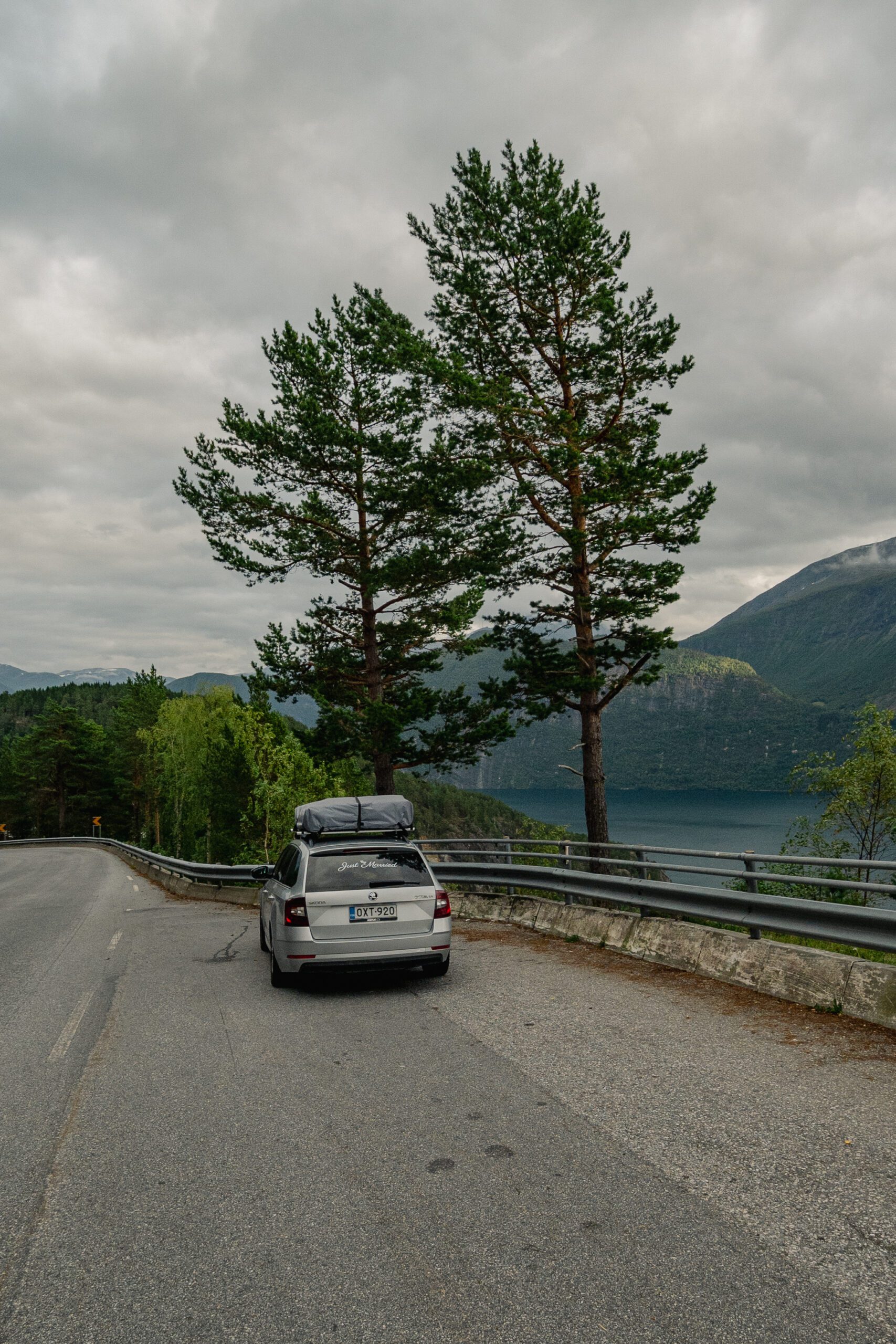
We have done the Norwegian fjords by car — twice, in fact. But we also have friends who showed up in Bergen with a backpack and an Interrail pass and asked us, genuinely panicked, how to see the fjords without a hire car. The answer turned out to be longer and better than any of us expected.
Norway has invested seriously in public transport connections through its most scenic regions. The Norway fjord road trip without a car is not a compromise — it is a different kind of trip that, in some ways, gives you more. You can actually watch the scenery from a ferry deck instead of glancing sideways from the driver’s seat. You sit in a bus as it crawls through a switchback road and wonder how the driver keeps their nerve. You arrive at Flåm by train through Europe’s most dramatic railway. It’s slower. It is also genuinely wonderful.
Yes, you can absolutely do a Norway fjord road trip without renting a car. The key routes — Bergen to Flåm by Nærøyfjord cruise, Flåm Railway, and the Hardangerfjord bus corridor — are all served by public transport and ferry. Budget at least 3–5 days. The Norway in a Nutshell tour covers the classic circuit in one long day if you are very pressed for time. Independent travel is cheaper and more flexible.
- Which fjords you can actually reach without a car
- The Norway in a Nutshell route — what it covers and what it skips
- The independent version — booking it yourself step by step
- Geirangerfjord by public transport — the honest situation
- Ferries, buses, and trains — the logistics that matter
- Mistakes we saw car-free travellers make in the fjords
- FAQ
- A final word from Rovaniemi
Which fjords you can actually reach without a car
The car-free friendly fjords
Not all of Norway’s fjords are equal in terms of access. The good news: the most celebrated ones happen to be the most connected. Here is what you can realistically visit without a car.
Nærøyfjord — UNESCO, fully accessible
The narrowest of the major fjords and one of Norway’s two UNESCO-listed fjord arms. You reach it by ferry from Gudvangen or Flåm. The passenger boat trip along the fjord takes around 2 hours and is one of the single best experiences you will have in Norway. The ferry runs multiple times daily in summer and requires no car at all — you simply turn up and board, or pre-book online for July.
Hardangerfjord — Norway’s orchard fjord
The second-longest fjord in the country and far less visited than Sognefjord. Bergen to Norheimsund by bus takes about 2 hours. Express boats run from Bergen to Rosendal and Lofthus in summer. This is the best fjord to explore slowly and cheaply if you want to avoid the tour-group circuit entirely. Cherry blossoms in May, apple orchards in July — and almost no crowds compared to the Flåm valley.
Sognefjord and the Flåm valley — the classic backbone
The Flåm Railway connects the Bergen Railway mainline at Myrdal to the village of Flåm at the foot of Sognefjord. This 20-kilometre mountain railway is genuinely one of the world’s great train journeys — it drops 864 metres through waterfalls, tunnels, and sheer granite. Flåm itself has ferry connections east along the Aurlandsfjord and north into Nærøyfjord. From Flåm you can reach Balestrand and Vik by ferry. You cannot reach the far eastern end of Sognefjord easily without a car, but the western section is beautifully served.
Fjords that are genuinely difficult without a car
Be honest about these before you plan:
- Geirangerfjord — stunning, UNESCO-listed, and the hardest to reach by public transport. There is a seasonal express bus from Ålesund and Lom, but connections are infrequent and schedules change yearly. We cover this in detail in section 4.
- Lysefjord and Preikestolen (Pulpit Rock) — reachable from Stavanger by ferry and shuttle bus in summer. Not car-dependent if you plan ahead, but the logistics require research.
- Lofoten Islands fjords — possible by bus along the E10, but the archipelago rewards the flexibility of a car. If you are going without one, budget extra time and manage expectations.
The Norway in a Nutshell route — what it covers and what it skips
What the packaged tour gives you
The Norway in a Nutshell is a pre-packaged transport combination sold by Fjord Tours and bookable independently using the same public transport tickets at lower cost. The classic route runs Bergen → Voss (train) → Myrdal (train) → Flåm (Flåm Railway) → Nærøyfjord (ferry) → Gudvangen → Voss (bus) → Bergen (train). It can be done in a single long day, or spread across two if you stay overnight in Flåm.
The appeal is obvious: no car, no logistics headaches, one booking covers everything. The downside is equally obvious: you share the ferry with 200 other people doing exactly the same circuit, and you never quite settle anywhere because the schedule keeps nudging you forward.
What it skips
The Nutshell ignores Hardangerfjord entirely. It grazes Flåm without giving it time. It does not reach Balestrand, Mundal (the famous book town on Fjærlandsfjord), or any of the quieter Sognefjord villages. It is a greatest-hits record, not an album. If you have four or more days, you will do better booking each leg independently.
Book the Flåm Railway and the Nærøyfjord ferry separately at visitflam.com. You get the same journey, a more flexible schedule, and you pay Norwegian public transport prices rather than the tour markup. The difference can be €30–€50 per person.
The independent version — booking it yourself step by step
A 4-day car-free fjord itinerary from Bergen
This is the route we would hand a friend who arrived in Bergen with a rail pass and four days to spare. It covers Nærøyfjord, the Flåm Railway, and one night in the Hardangerfjord region — all without touching a steering wheel.
Day 1 — Bergen to Flåm via Myrdal
- Morning train Bergen → Myrdal (2 hr, Bergen Railway — NSB/Vy ticket).
- Flåm Railway Myrdal → Flåm (1 hr — pre-book in July, walk-up fine in June).
- Arrive Flåm by noon. Walk the Flåm valley trail along the river, 3 km with no real elevation.
- Overnight in Flåm — the Fretheim Hotel is the most atmospheric option; Flåm Camping is the budget one.
Day 2 — Nærøyfjord ferry and Gudvangen
- Morning ferry Flåm → Gudvangen (2 hr passenger ferry along Aurlandsfjord and Nærøyfjord — Norled operates this route, book at norled.no).
- Gudvangen: small village, good lunch options, the Viking Valley heritage park if you want a few hours of diversion.
- Afternoon: express bus Gudvangen → Voss (45 min, Vy Bus). Voss is the adventure sports capital of western Norway — kayaking, bungee, paragliding if you want an active half-day.
- Evening train Voss → Bergen (1.5 hr) to return to base, or overnight in Voss to continue east the next day.
Day 3 — Hardangerfjord detour from Bergen
- Morning Vy Bus 990 Bergen → Norheimsund (2 hr). The bus runs along the fjord’s north shore through apple orchards and the views are genuinely underrated.
- Norheimsund: Hardanger Folk Museum, and the short walk to Steinsdalsfossen — 15 minutes from the bus stop and one of the few waterfalls in Norway you can walk behind.
- Afternoon bus or summer express boat back to Bergen.
Day 4 — Bergen itself
- The Bryggen UNESCO wharf, the fish market, Mount Fløyen by funicular. Bergen is one of the best walking cities in Scandinavia and rewards a full day even if you have visited before.
Geirangerfjord by public transport — the honest situation
Can you actually get there without a car?
The UNESCO Geirangerfjord is the most dramatic fjord in Norway — sheer cliffs, Seven Sisters waterfall, cruise ships dwarfed by granite walls — and it is the hardest one to reach by public transport. We want to be honest about this rather than pretend the connections are better than they are.
In summer 2026, the practical options are:
- Express bus from Ålesund: Ålesund to Geiranger takes about 3.5 hours by seasonal bus (check skyss.no for current timetables — the service has changed operators and schedules in recent years). Ålesund is reachable by plane from Oslo in 40 minutes, or by overnight bus from Bergen.
- Bus from Lom via the Trollstigen road: In summer only, there is a scenic bus over the Trollstigen mountain pass. This is the spectacular way in — the road has 11 hairpin bends and a 106-metre waterfall alongside it. Timetables are limited; book through Vy.
- Car ferry from Hellesylt: Hellesylt is more easily reached by bus from Stranda or Ørsta-Volda. The 60-minute Hellesylt–Geiranger ferry is one of the world’s great short ferry crossings. Arriving by this ferry rather than driving down from the top is actually the better approach regardless of transport mode.
Our recommendation for Geirangerfjord without a car
Fly to Ålesund, take the seasonal bus to Geiranger and stay one night, then take the Hellesylt ferry and bus back toward Ålesund or Stranda. This is a clean 2-day add-on. Do not try to combine it with the Bergen fjord circuit in fewer than 6 days total — the connections are too sparse to rush.
Ferries, buses, and trains — the logistics that matter
Booking platforms that actually work
Norway’s public transport is spread across multiple regional operators, which is the main reason people assume a car is necessary. Once you know where to look, it becomes manageable.
- Vy (vy.no) — national trains and many express buses. Bergen Railway, Oslo–Bergen, Flåm Railway through Fjord Tours.
- Norled (norled.no) — most of the Sognefjord and western fjord passenger ferries, including the Nærøyfjord route.
- Skyss (skyss.no) — regional buses in Vestland county including the Bergen area, Hardangerfjord, and western Norway. Essential for Hardangerfjord connections.
- Entur (entur.io) — the national journey planner that aggregates all Norwegian public transport. Use it as your first stop for any combination journey.
Rail passes and Norway
The Interrail or Eurail Norway pass covers NSB/Vy trains including the Bergen Railway and main lines, but not the Flåm Railway (supplement required) and not regional buses or ferries. The pass is still useful if you are travelling from Oslo or across multiple days, but do not buy it expecting it to cover everything. The Flåm Railway supplement is around NOK 400 (€35) per person in summer 2026.
What to book in advance vs. what you can walk up for
- Book ahead: Bergen–Myrdal train in July (sells out), Flåm Railway in July, Nærøyfjord ferry in peak July weeks.
- Walk up fine in June or August: Most ferry crossings, Hardangerfjord buses, Voss connections.
- Book as early as possible: Accommodation in Flåm — there are fewer than 400 beds in the village and it fills from April onward in peak season.
Mistakes we saw car-free travellers make in the fjords
- Trusting Google Maps for bus times. Norwegian regional bus timetables are not reliably updated on Google. Always check directly on Skyss or Entur. We have seen travellers stranded at Gudvangen for three hours because the Google-suggested bus was simply not running that day.
- Treating Flåm as a day stop only. Flåm is small, but the surrounding valley — the Flåmsdalen hike, the Brekkefossen waterfall, the orchard trails — rewards an overnight stay enormously. The tour buses leave by 5pm; after that the village becomes a completely different place.
- Underestimating ferry departure times. Norwegian ferries leave on time. Not slightly late, not when everyone is aboard — on time. If the timetable says 10:15, be on the dock by 10:05.
- Ignoring Hardangerfjord. Because it is not on the Norway in a Nutshell circuit, most car-free travellers skip it entirely. This is a genuine mistake. Hardangerfjord is quieter, prettier in blossom season, and far less crowded than the Sognefjord tourist belt.
- Booking accommodation after arrival in July. Flåm and Gudvangen have limited beds. Book months ahead or accept that you will be sleeping in Voss and day-tripping in.
- Assuming Geirangerfjord is as easy to reach as Nærøyfjord. They are both UNESCO sites, but the transport infrastructure around them is completely different. Manage expectations and plan extra days.
FAQ
Is Norway in a Nutshell worth it or should I book independently?
Book independently if you have a few hours to research. The Norway in a Nutshell package uses the same public transport — Bergen Railway, Flåm Railway, Norled ferry, Vy Bus — and you can buy the exact same tickets separately for significantly less. The package is worth it mainly if you want one-click simplicity. Fjord Tours charge around €140–€160 per person for the full day; booking the same legs separately costs around €90–€110.
Can I do the Norwegian fjords without a car in 2 days from Oslo?
Two days is tight but possible as a circuit. Oslo to Bergen by overnight train (leaving around 11pm, arriving 6:45am) gives you a full day in Bergen and the fjords before returning. Alternatively, the Oslo–Flåm daytrain combined with an overnight in Flåm and return via Bergen works well. Neither option lets you see more than one fjord — plan for 4 days minimum if you want to feel properly settled.
How much does the car-free fjord trip cost?
For the 4-day Bergen base route: Bergen–Myrdal train (€25–€40), Flåm Railway (€35), Nærøyfjord ferry (€30–€40), Gudvangen–Voss bus (€10), Voss–Bergen train (€15). Transport total: roughly €115–€140 per person. Add accommodation in Flåm (€50–€150 per night) and food. Budget €300–€450 per person for 4 days total, less if camping.
What is the best fjord to visit without a car?
Nærøyfjord is the easiest and most spectacular car-free fjord experience. The two-hour passenger ferry from Flåm through the narrow canyon walls is one of the best things we have done anywhere in Scandinavia. Hardangerfjord comes second for a relaxed, less crowded alternative. Geirangerfjord is the most dramatic but requires significantly more planning to reach by public transport.
Do I need to book the Flåm Railway in advance?
In July: yes, absolutely. The Flåm Railway sells out several weeks in advance in peak summer. In June and August: usually fine to book 1–3 days ahead or even walk up in quieter weeks. Book at visitflam.com or through Vy.
Can I bring a bike on the Norled ferries and Flåm Railway?
Yes to both — with advance notice. The Nærøyfjord ferry takes bikes for a small additional fee. The Flåm Railway has a limited bike quota per departure; book at the same time as your seat. Cycling the Flåm valley floor while leaving your bags at the hotel is one of the best ways to spend a base day here.
A final word from Rovaniemi
We live 900 kilometres north of Bergen and still think about the Nærøyfjord. The way the water goes dark green where the cliffs close in, the waterfalls that appear from nowhere on the rock face, the silence that descends once the engine noise drops — none of that requires a steering wheel.
The Flåm Railway is extraordinary whether you are at the wheel of a hire car on the road alongside, or watching it out of a train window. The ferry from Gudvangen to Flåm is better, honestly, than the road next to it. What the car gives you in Norway is flexibility and access to the quieter places — the single-track routes through Jotunheimen, the Sognefjellet mountain drive, the remote Aurlandsfjellet snow road. If those are your priorities, rent a car. But if your priority is the fjords themselves — the water, the cliffs, the ferries, the small villages where the road simply stops — then go without one. You will spend less, stress less, and spend more time actually looking.
Joona & Alla
We’re a Finnish-Ukrainian couple based in Rovaniemi, Arctic Finland — 25 countries explored, always hungry for more. Joona leads marketing at Stay Lapland; Alla studies AI and content strategy. We write about travel the way we actually do it: honest, planned carefully, and always looking for the angle nobody else covered.
More about us →Get our best travel tips in your inbox
Monthly stories from Rovaniemi — Arctic tips, packing lists, and the places we keep coming back to.