Italy in Summer: Where to Go When Rome Is Too Hot
We’ve sweated through Rome in July and driven the Dolomite passes in June with the windows down. Italy in summer cooler than expected is possible — you just have to know which direction to point the car.
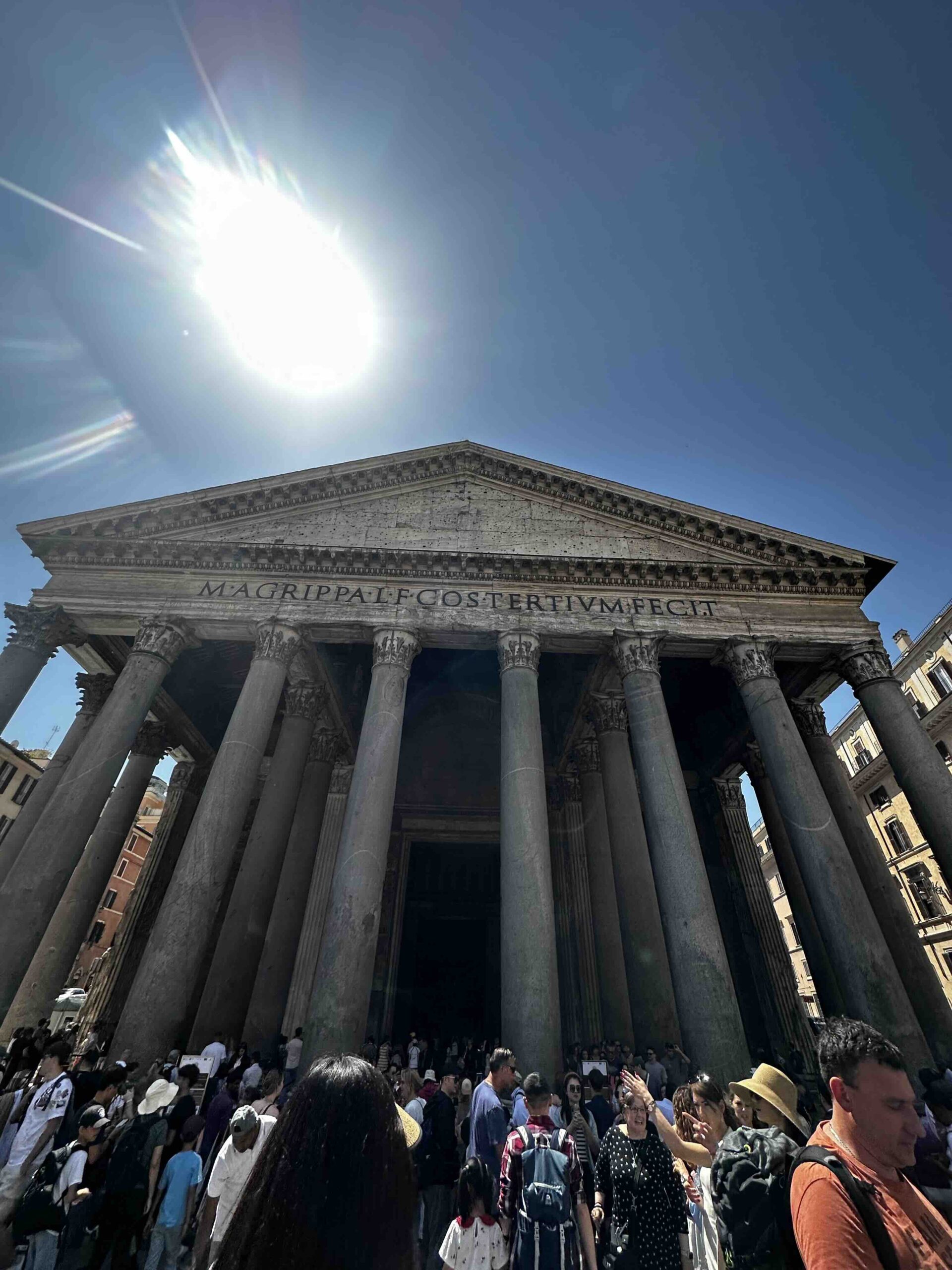
We love Rome. We’ve eaten carbonara at midnight in Trastevere, visited the Forum before the tourist buses arrived, and stood in the Pantheon on a rainy October morning when it was nearly empty. But we have also made the mistake of being in Rome in mid-July. The cobblestones radiate heat like a pizza oven. The Colosseum queue is a sunburned shuffle. Your gelato has a three-minute window before it becomes an art installation on the pavement.
Italy in summer cooler is not a myth — it’s a geography lesson. The country is 1,300 km long, with the Alps in the north, 1,400 km of Adriatic coastline, and mountain plateaus in the centre that stay a reliable 6–10 °C cooler than the southern lowlands. We’ve visited Italy on multiple trips across different regions, and here is what we have actually learned about where to go when the cities get unbearable.
The best Italy summer cooler options are the Dolomites (alpine hiking, 18–24 °C), the Italian Lakes (Lake Como, Garda, Maggiore — breezy and beautiful), and the Amalfi hinterland and hill towns (Ravello, Positano backroads, Cilento). Avoid Rome, Florence, and Venice in July–August unless you go before 9 am and after 7 pm. Aim for June or September for the cities themselves.
- Why Italy in summer cooler is about altitude and latitude
- The Dolomites — Italy’s alpine escape
- The Italian Lakes — Como, Garda, and Maggiore
- Quick-reference region comparison
- Tips and warnings for visiting in summer
- Is it worth going to Rome and Florence in summer?
- Mistakes we made
- Frequently asked questions
- A final word from Rovaniemi
Why Italy in summer cooler is about altitude and latitude
The short version of Italian summer climate: every 1,000 metres of altitude drops the temperature by roughly 6–7 °C. Rome sits at 37 metres. The Dolomite resort of Cortina d’Ampezzo sits at 1,224 metres. On the same August afternoon when Rome is hitting 38 °C, Cortina is at a pleasant 24 °C with a breeze and an afternoon thunderstorm that clears by 5 pm.
Where the heat hits hardest
- Rome (37m): July average high 31–33 °C, with urban heat island pushing it higher. High humidity makes it feel worse.
- Florence (50m): often hotter than Rome in July, trapped in the Arno valley with poor air circulation. Average July high 34 °C.
- Naples (17m): similar to Rome but with the Amalfi Coast adding humidity. Beautiful but punishing in August.
- Venice (1m): lower absolute temperatures but notorious summer humidity, the crowds, and the smell of the canals. June and September are genuinely lovely; August is a test of endurance.
Where it stays manageable
- The Dolomites (1,000–2,400m): reliably 18–26 °C in summer, with cool nights. The hiking season runs June–September.
- Lake Como and Maggiore (200–400m): the lakes moderate the temperature; the surrounding mountains block the worst heat. Typically 4–6 °C cooler than Milan.
- Umbria and Tuscany hill towns (300–700m): towns like Orvieto, Assisi, and Montepulciano are noticeably cooler than Florence. If you want Tuscany in summer, go up.
- Trentino-Alto Adige / Südtirol (600–2,000m): the alpine region north of the Dolomites. Germanic-Italian hybrid culture, excellent food, and consistent mountain weather.
We’re from Rovaniemi — which is north of the Arctic Circle — so when we visit Italy in July we are genuinely looking for the cooler options. What follows is what we’ve actually found.
The Dolomites — Italy’s alpine escape
The Dolomites are arguably the most dramatic mountain landscape in Europe. The peaks are pale limestone that turns salmon-pink at dusk (a phenomenon called enrosadira). The valleys below have Tyrolean villages, farmhouses producing Speck and local cheeses, and a cable-car infrastructure that makes accessing serious altitude easy even if you’re not a mountaineer. Italy in summer cooler doesn’t get more literal than this.
Where to base yourself in the Dolomites
- Cortina d’Ampezzo: the most famous resort, with good restaurants, excellent hiking, and a slightly expensive but justified feeling of being in one of the world’s great mountain towns. The cable car up to Ra Valles gives views that justify the trip on their own.
- Val Gardena (Gröden): a broad valley with Selva, Santa Cristina, and Ortisei — three compact villages that form a great base for the Sella Ronda loop (a circular tour of four mountain groups, doable on foot in stages over several days).
- Alpe di Siusi (Seiser Alm): Europe’s largest high-altitude alpine meadow, at 1,850–2,350 metres. Cars are restricted; you access it by cable car from Ortisei or Siusi. In June it is covered in wildflowers. It is one of the most genuinely beautiful places we have been in Italy.
- Tre Cime di Lavaredo: the iconic three-peak formation in the eastern Dolomites. The circular hike (approximately 10 km, about 4 hours) is one of the most rewarding walks in the Alps. Go early — before 8 am — to beat the crowds and the afternoon thunderstorms.
Italian Dolomites vs Swiss Alps: Which Summer Escape?
We compare the two alpine options side by side — cost, scenery, accessibility, and the type of traveller each suits best.
Read the comparison →The Italian Lakes — Como, Garda, and Maggiore
The Italian Lakes are not the coolest option — Bellagio in August can still hit 30 °C — but the lake breezes, the altitude of the surrounding villages, and the sheer beauty of the setting make them manageable and extraordinary in a way that a coastal heat resort is not. They also give you access to the Alps within an hour by car.
Lake Como
- The most dramatic of the three: Y-shaped, deep, ringed by vertical hillsides with villas and terraced gardens. The ferry system connecting the villages is one of Europe’s great slow-travel experiences.
- Varenna is our preferred base over the more famous Bellagio: fewer day-trippers from Milan, easier ferry access, and the same quality of view.
- The cable car from Argegno up to Pigra (730m) takes 4 minutes and drops you into a quiet village with panoramic lake views and temperatures that feel genuinely alpine.
Lake Garda
- The largest Italian lake and the most family-friendly: the northern end (Riva del Garda, Torbole) is windy and cooler, perfect for windsurfing and kitesurfing. The southern shore is flatter and warmer.
- The town of Sirmione, on a narrow peninsula jutting into the lake, has Roman ruins (the Grotte di Catullo) and a medieval castle. It’s touristy but earned it.
- Drive up to Tremosine sul Garda on the western cliffs: a road carved into the cliff face, dramatic views, and a genuine sense of vertigo. The village at the top is untouristy and honest.
Quick-reference region comparison
Use this when deciding where to go in Italy when the cities feel too brutal.
Hikers, mountain lovers, and anyone escaping 38°C plains heat. Reliably 18–26°C in summer. Good for couples and active families. The only downside: it requires a car or careful planning to get between villages. The food (Südtirol cuisine, Speck, apple strudel, local wine) is exceptional.
Romantic slow travel, village-hopping by ferry, and wine on a terrace. Not as cool as the Dolomites, but beautiful in a different way. Lake Como is the most famous and most dramatic; Lake Maggiore has the Borromean Islands; Garda is the most active and family-friendly.
Culture, wine, and art without the city heat. Orvieto, Spoleto, Assisi, Siena, and San Gimignano are all 300–700m high and noticeably cooler than Florence. If you want central Italy in summer, go to the hills, not the valley floors.
Southern Italy without the coastal heat trap. The villages above Amalfi — Ravello, Scala, Tramonti — sit 350–1,100m above sea level. Ravello’s clifftop gardens are worth the trip alone, and the temperature is usually 6–8°C cooler than the coast below.
Rome, Florence, Venice, Naples, Palermo. All beautiful, all genuinely punishing in high summer. If you must do the cities, go in June or September, or plan your days around the 6–9 am window and the post-7 pm cool. Afternoons are for museums and air conditioning.
Budget per couple per day: Dolomites €120–180 (hotels in Val Gardena, Cortina); Lake Como €100–160; Tuscany hill towns €90–140; Rome in summer €130–200+ (plus discomfort tax). Shoulder season (June/September) cuts accommodation costs 20–30%.
Get our best travel tips in your inbox
Monthly stories from Rovaniemi — Arctic tips, packing lists, and the places we keep coming back to.
Tips and warnings for visiting Italy in summer
- Book mountain accommodation early. The Dolomites are enormously popular in summer 2026 — the coolcation trend has sent searches for alpine Italy up dramatically. Good rifugios (mountain huts) and valley hotels sell out months in advance. Book by March for July; by April for August.
- Afternoon thunderstorms are normal in the mountains. Every summer afternoon in the Dolomites, a pattern emerges: clear morning, cloud building by midday, thunderstorm around 2–4 pm, clear by evening. Plan hikes for early mornings and aim to be below treeline by early afternoon. It is not dangerous if you plan for it — and the post-storm evenings are magical.
- The Dolomites require a car (or very careful planning). There is a summer bus network (Dolomiti Bus, SAD buses in Südtirol) connecting the valleys, and some valleys restrict private cars in peak season (Val di Fassa, Alpe di Siusi). But to move freely between valleys, a car is the honest answer. Renting in Bolzano or Verona is easy.
- Lake Como is smaller than you think. Day-trippers from Milan flood Bellagio from about 10 am to 5 pm. Stay overnight, arrive in the evening, and the experience transforms. Varenna and Menaggio are excellent quieter alternatives to Bellagio for overnight stays.
- Ferragosto (August 15) is a national holiday. Many smaller restaurants, shops, and even some tourist services close for the week around August 15. If you’re in a hill town or smaller destination, check that things will be open. It’s not a disaster — but it’s worth knowing.
- September is the quiet version of August. Sea temperatures stay high (still 24–25°C in the Adriatic), the mountains are clear, the crowds thin dramatically, and prices drop. If you have flexibility, September is the right answer for almost anywhere in Italy.
Is it worth going to Rome and Florence in summer?
Yes — but with a strategy. Both cities are genuinely extraordinary and neither should be written off simply because July is hot. The key is how you structure the day.
- The 6–9 am window is golden. Rome’s Colosseum, Palatine Hill, and Roman Forum are spectacular in the early morning light before the heat and crowds arrive. The same is true for Florence’s Uffizi and Piazzale Michelangelo.
- Book fast-track tickets for everything. Queuing in 35°C heat is avoidable. Both cities have timed entry systems. Use them. The Vatican, the Colosseum, the Uffizi, and the Accademia (David) all have advance booking options.
- Midday is for museums and gelato, not sightseeing. 12–4 pm in Rome in July is genuinely unpleasant outdoors. This is when you go inside — the Vatican Museums are air-conditioned, the Capitoline Museums are excellent and less crowded, the Borghese Gallery requires advance booking but is cool and uncrowded.
- The evenings are magnificent. Rome after 7 pm in summer is one of the great urban experiences. The temperature drops, the light goes golden, the piazzas fill with locals, and the restaurants come alive. If you’re in Rome in summer, the city actually rewards you handsomely for rearranging your clock.
4 Days in Rome in Summer: Is It Manageable?
We planned four days in Rome in July and came back with a realistic itinerary that works around the heat — not against it.
Read the guide →Mistakes we made — and what we’d do differently
- We arrived in Rome in mid-July without timed tickets. We queued for the Colosseum for 90 minutes in 36°C heat. Never again. Book everything in advance — always.
- We underestimated the driving distances in the Dolomites. The roads are spectacular but mountain hairpins mean 30 km can take 75 minutes. Allocate more time between valleys than you think you need.
- We booked a lake-view room on the Como waterfront. Beautiful, but the road between the room and the ferry stop was jammed with tour buses from 9 am to 6 pm. We should have stayed in Varenna or Menaggio instead of Bellagio.
- We didn’t book a rifugio dinner in the Dolomites in advance. Mountain hut lunches and dinners in the Dolomites are part of the experience — simple, hearty, memorable. They fill up by 11 am for lunch. Call or book online the night before.
- We skipped Alpe di Siusi because “it looked like another meadow.” It is not another meadow. It is Europe’s largest high-altitude meadow, and in early June when the wildflowers are out, it is one of the most beautiful places we have seen on this continent. Make time for it.
- We tried to see the Cinque Terre in August. We queued for trails, queued for the train, queued for food. The villages are beautiful. The experience of visiting in August is not. Go in late May, June, or September.
Frequently asked questions
What is Italy summer cooler — is it a thing?
Yes, genuinely. “Italy summer cooler” means choosing altitude or latitude over the famous but sweltering lowland cities. The Dolomites, the Italian Lakes, and the Umbrian and Tuscan hill towns are all 5–15°C cooler than Rome or Naples in July. This is the same principle as the 2026 “coolcation” trend applied within Italy itself.
Is it worth going to Italy in August?
Yes — but choose your destination carefully. August in the Dolomites, on the Italian Lakes, or in a Tuscan hill town is genuinely lovely. August in Rome, Florence, or Venice requires heat management and patience with crowds. Ferragosto (August 15) is a national holiday; the week around it sees many small businesses close. Plan accordingly.
How do you get to the Dolomites from the UK or Finland?
Fly to Venice, Verona, Bolzano (small airport, limited routes), or Innsbruck (Austria, just over the border). Bolzano is the most convenient base for northern Dolomites but has fewer direct flights. Venice Marco Polo is the most connected airport; it’s about 2–2.5 hours drive to Val Gardena or Cortina. From Helsinki, Finnair or connecting via Munich, Vienna, or Venice is standard.
Which Italian Lakes should I choose: Como, Garda, or Maggiore?
Como for drama and romance — it’s the most visually striking. Garda for families and activity (windsurfing, cycling, water parks). Maggiore for the Borromean Islands and a slightly quieter atmosphere than Como. All three are within about 1.5 hours of Milan and easily combined. If you have 4–5 days, pick one as a base and day-trip to another rather than trying to see all three properly.
What temperature is Italy in summer cooler destinations?
In the Dolomites (1,000–2,400m): typically 18–26°C days in June–August, with cool nights (10–15°C). Italian Lakes: 26–30°C but with breeze. Tuscany hill towns (400–700m): 26–30°C — better than Florence’s 34–36°C valley heat. These are roughly 6–14°C cooler than Rome in the same period.
Is hiking in the Dolomites safe for non-experienced hikers?
Yes, for most trails. The Dolomites have an extensive network ranging from easy valley walks and cable-car-assisted routes to technical via ferrata for experienced climbers. Routes like the Tre Cime di Lavaredo loop, the Alpe di Siusi meadow walks, and most rifugio paths require only good footwear and reasonable fitness. The main risks are afternoon thunderstorms (plan to be off exposed ridges by early afternoon) and altitude — acclimatise gently on day one.
A final word from Rovaniemi
We live in Finnish Lapland, where “too hot” is not a concept we experience often. When we visit Italy, the heat is part of the appeal — up to a point. Standing in Piazza Navona at 9 pm when the stone is still warm underfoot and the sky has gone deep blue: that is one of the great travel moments in Europe. Standing in the same piazza at 2 pm in July, melting and cranky: that is avoidable.
Italy rewards people who understand its geography. The country stretches from the Alps to 100 km from Tunisia. It contains glaciers and volcanic islands. It has mountain meadows at 2,000 metres and urban heat traps at sea level. Italy in summer cooler is simply Italy understood on its own terms — go up, go north, or go early. The country will reward you for it.
We are planning our next Italian summer around the Dolomites in June and three nights on Lake Garda in September. If you’re doing the same, read our Dolomites vs Swiss Alps piece before you decide which mountain region to pick. The comparison might surprise you.
Joona & Alla
A Finnish-Ukrainian couple living in Rovaniemi, Finland. Joona is a marketing professional in Lapland tourism; Alla is an AI Engineer. Together we’ve visited 25 countries and share honest, locally-grounded travel writing from our home in the Arctic.
Read our full story →