Driving Norway’s Hardangervidda: The Plateau Road Few Tourists Know
We’ve driven a fair bit of Norway by now — the Lofoten E10, Trollstigen, the Atlantic Ocean Road. But Hardangervidda caught us off guard. This vast mountain plateau feels like the edge of the world, and almost nobody warns you about it.
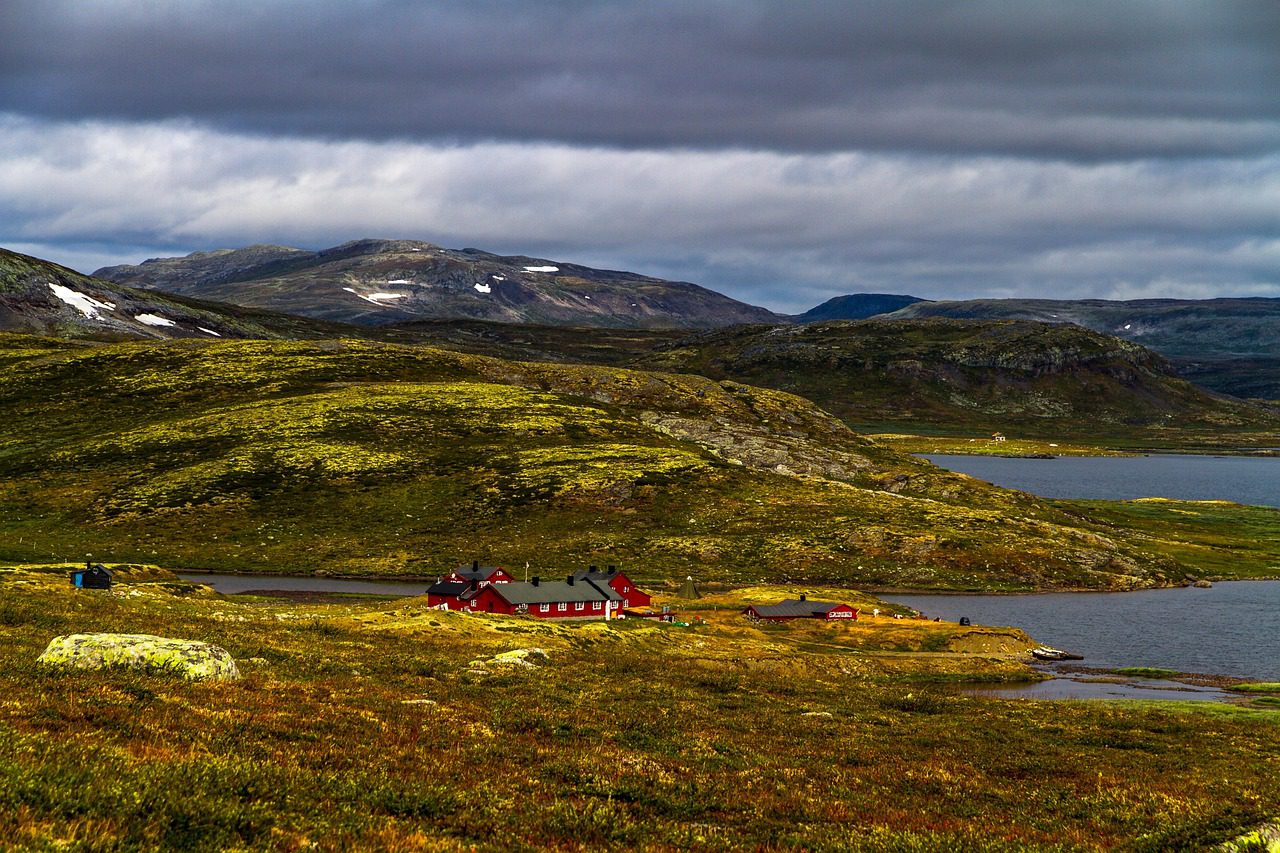
Hardangervidda is Norway’s largest mountain plateau and one of its most underrated Hardangervidda driving routes — a raw, wind-swept landscape at 1,200–1,400 m altitude that most tourists speed through without stopping. Drive the Rv7 or Rv13/Fv550 combination in summer (June–August) for the best conditions, budget a full day, and expect reindeer, snow patches even in July, and almost nobody else on the road.
- What Hardangervidda actually is (and why it surprises people)
- Which road to drive: Rv7 vs the scenic loop
- Quick-reference: stops, distances, and timings
- When to go and what to expect month by month
- How it compares to Norway’s other famous drives
- Mistakes we made so you don’t have to
- Frequently asked questions
- A final word from Rovaniemi
What Hardangervidda Actually Is (and Why It Surprises People)
We’ll be honest: before we drove it, we thought Hardangervidda was just a stretch of Norway you pass through on the way to somewhere more famous — Bergen, maybe, or the Hardangerfjord. We were wrong.
Hardangervidda is Europe’s largest mountain plateau, covering around 8,000 km². It sits at an average altitude of 1,200 metres, which means even in June you’ll often find snow on the ground. Norway counts it as a national park, home to the largest wild reindeer herd in Europe — roughly 10,000 animals. On a good day, you’ll see them standing in the middle of the road looking entirely unbothered by your rental car.
The geography that makes it different
Unlike the fjords — which are dramatic and vertical — Hardangervidda is horizontal. It feels infinite. The plateau rolls in every direction, and on overcast days, the sky and the land merge into a single grey canvas. It’s the kind of place that makes you feel genuinely small, not in a terrifying way, but in the way that makes you go quiet.
The plateau drops suddenly at its edges. On the western side it falls steeply into the Hardangerfjord — one of the longest fjords in Norway. That contrast, from bare tundra to glassy water, is one of the most striking things we’ve seen in all our Norway travels.
Who actually drives it?
Mostly Norwegians on their way between Oslo and Bergen, and a steady trickle of cyclists doing the legendary Rallarvegen route (though that’s a separate road further north). International tourists tend to stick to the E16 via Voss or the train, which means the plateau roads are genuinely quiet. We drove the Rv7 on a Saturday in July and counted more reindeer than oncoming cars in a 40 km stretch.
Which Road to Drive: Rv7 vs the Scenic Loop
There are two main ways to drive across Hardangervidda, and which you choose depends on how much time you have and how scenic you want to get.
Option 1: Rv7 (the direct route)
The Rv7 between Hønefoss (east) and Granvin (west) is the main plateau road. It’s the most practical choice if you’re driving between Oslo and Bergen in a day. The eastern approach climbs steadily from Geilo — Norway’s most popular ski resort — up onto the plateau, crossing the highest point at around 1,243 m before descending dramatically toward the fjord.
Distance across the plateau section: roughly 80 km from Geilo to Eidfjord. In summer with no stops, you can drive this in under 90 minutes. But you really don’t want to rush it — the plateau rewards slow driving and frequent stops.
Option 2: The Rv13/Fv550 loop via Hardangerfjord
If you have a full day rather than half, do what we did: drive the Rv7 across the plateau, then drop down into Eidfjord and take the ferry or road along the Hardangerfjord, loop around via Odda and the Rv13, and climb back up through the mountain valleys. This gives you the plateau AND the fjord in one loop, and it’s one of the best driving days we’ve had anywhere in Scandinavia.
The full loop from Geilo is around 250–300 km depending on your exact route, and takes the better part of a day with stops. We started at 8am and arrived in Bergen by 7pm — fully satisfied and slightly windburned.
Ferry tip
The Brimnes–Bruravik ferry across the Eidfjord arm runs regularly and is very short (around 10 minutes), but check the Skyss/Norled timetables before you go — in peak summer it gets busy with campervans and you don’t want to miss a crossing and lose an hour.
Quick-Reference: Stops, Distances, and Timings
- Start point: Geilo (from Oslo ~3 hrs via E16/Rv7) — fill up with fuel here, last reliable station before the plateau
- Plateau crossing: Rv7 from Geilo to Eidfjord — approx 80 km, allow 2–3 hrs with stops
- Must-stop: Dyranut mountain lodge — midpoint on the plateau, basic café, incredible 360° views, often has snow even in July
- Must-stop: Vøringsfossen waterfall — accessed from Rv7 near Eidfjord, one of Norway’s tallest free-falling waterfalls (183 m drop), 15 min walk from car park
- Must-stop: Eidfjord village — drop from plateau to fjord level, café options, fjord views, starting point for the loop route south
- Optional extension: Trolltunga trailhead — accessible from Odda (2 hrs south of Eidfjord), requires full day hike, not included in plateau drive
- Road closure season: Rv7 typically closes Oct–May; always check vegvesen.no before driving in shoulder season
- Weather warning: temperature on the plateau can be 10–15°C colder than valleys below — pack layers even in summer
Nordic road trip tips, straight to your inbox
We drive the roads so you know which ones are worth it. New guides, honest reviews, and the occasional reindeer sighting — no spam, ever.
💡 Our campervan tip: prices for the same van vary a lot between rental brands. We compare Norway campervans across 160+ rental companies on CampervanPlanet — and code HUNGRYTRAVELFAMILY5 takes 5% off.
When to Go and What to Expect Month by Month
Timing your Hardangervidda drive matters more than almost any other road in Norway. Here’s what we know from driving Norway across multiple seasons:
- May: Road often still closed or just opening — patches of snow and ice on the plateau. Only attempt with a 4WD and if vegvesen.no shows it open. The light is extraordinary but unpredictable.
- June: Opens properly around mid-June most years. Snow still present on the plateau but the road is clear. Wildflowers starting to bloom in the lower sections. Quietest tourist month — highly recommend.
- July: Peak season. The plateau is green (briefly), reindeer are visible, and Vøringsfossen is at full flow from snowmelt. Busier at major stops but the road itself stays quiet. Best all-round month.
- August: Excellent. The heather starts to turn purple-brown toward month end. Fewer tourists than July. Temperatures cooling noticeably on the plateau by late August.
- September: Autumn colours begin — arguably the most beautiful light of the year. Can get cold and misty. Road usually open until late October.
- October–April: Road typically closed. Don’t risk it without checking — conditions can change overnight.
How Hardangervidda Compares to Norway’s Other Famous Drives
We’ve driven most of Norway’s celebrated roads by now. Here’s the honest comparison so you can decide if Hardangervidda belongs on your itinerary:
- Vs Trollstigen: Trollstigen is more dramatic and photogenic, but also far more crowded in summer. Hardangervidda is bigger, lonelier, and gives you a feeling Trollstigen can’t — genuine wilderness. Drive both if you can.
- Vs Atlantic Ocean Road: Atlantic Ocean Road wins on spectacle (bridges, sea, waves). Hardangervidda wins on scale and raw nature. Different moods entirely — the plateau is introspective, the Atlantic road is cinematic.
- Vs Lofoten E10: The E10 has the famous red fishing villages and dramatic peaks. Hardangervidda has the plateau’s desolate beauty. E10 edges it for first-time Norway visitors; Hardangervidda rewards returning ones.
- Vs Rallarvegen: Rallarvegen runs along the northern edge of Hardangervidda and is primarily a cycling route. If you’re on two wheels, Rallarvegen; if you’re in a car, Rv7 across the plateau.
- Vs Sognefjellsvegen (Rv55): Both are high mountain roads. Sognefjell reaches higher (1,434 m peak) and is more dramatic at the top. Hardangervidda is gentler but covers more ground. We rate them roughly equal depending on your starting point.

Mistakes We Made So You Don’t Have To
- Not fuelling in Geilo: We thought we’d find a petrol station on the plateau. There isn’t one. Geilo is your last stop heading west — fill up there, no exceptions.
- Underestimating the cold: It was 23°C in Bergen when we set off. On the plateau it was 8°C with horizontal wind. We had jumpers in the car but not enough. Bring a proper layer even in July.
- Skipping Vøringsfossen: On our first crossing we were in a hurry and drove past the Vøringsfossen turnoff. That was a genuine mistake — it’s one of the most impressive waterfalls in Norway and you’re right there. Don’t do what we did.
- Not checking the road status: The Rv7 closed for a day in August one year due to snow. In August. Always check vegvesen.no or the 175 traffic information line the morning of your drive during shoulder season.
- Driving it at night in summer: Not dangerous, and the light is beautiful, but you’ll miss the views and the reindeer tend to be harder to spot (and more dangerous on the road). Mid-morning to mid-afternoon is the sweet spot.
- Rushing the descent to Eidfjord: The road down from the plateau to Eidfjord is winding and spectacular. We went too fast on a first crossing and missed three obvious pull-offs. Slow down — the views of the fjord appearing below you are genuinely among the best we’ve seen in Norway.
Book your Norway campervan
Compare prices across 160+ campervan and motorhome rental brands, get a free 1GB eSIM with every booking — and 5% off with code HUNGRYTRAVELFAMILY5.
Check prices & availability →Frequently Asked Questions
Is Hardangervidda driving difficult — do you need a 4WD?
In summer (June–September) a regular car is fine. The Rv7 is a well-maintained paved road. A 4WD is only necessary if you’re attempting to drive in May before the road fully opens, or if you’re heading off-road onto the plateau tracks (which require a proper jeep track permit).
How long does it take to drive across Hardangervidda?
The Rv7 plateau section from Geilo to Eidfjord is about 80 km and takes 90 minutes non-stop. With stops at Dyranut, Vøringsfossen, and the viewpoints above Eidfjord, budget 3–4 hours. If you’re doing the full scenic loop via the fjord, plan a full day.
When does the Hardangervidda road (Rv7) open and close?
It typically opens in late May or early June and closes in October or November, depending on snowfall. The exact dates vary year to year — always check vegvesen.no or the official Norwegian road authority site before you travel.
Can you see reindeer on Hardangervidda?
Yes, and very likely so in summer. Hardangervidda is home to Europe’s largest wild reindeer herd (around 10,000 animals). We’ve seen them on and near the road on every crossing we’ve done. Drive carefully — they appear suddenly and are completely unbothered by traffic.
Is Vøringsfossen worth stopping for on the Hardangervidda drive?
Absolutely yes. It’s one of Norway’s most impressive waterfalls — 183 m of free fall into a canyon — and it’s right next to the Rv7. The new viewing platform (opened 2022) makes it accessible for all fitness levels. Budget 30–45 minutes for a proper visit.
Is Hardangervidda worth a detour or should I just drive through?
Worth a detour, without question — but the detour is subtle. It’s less about a single monument and more about the cumulative experience: the scale, the silence, the reindeer, the drop to the fjord. If you’re driving Oslo to Bergen anyway, take the Rv7 over the plateau instead of the E16. You won’t regret it.
A Final Word from Rovaniemi
We live up here on the Arctic Circle in Rovaniemi, so we know something about landscapes that feel like the edge of the world. Hardangervidda has that quality — and it’s rare to find it this accessible from a major driving route.
The thing we keep coming back to is the contrast. In an hour you drop from bare tundra at 1,200 metres into one of the most beautiful fjords in Norway. You go from silence and wind and reindeer to café terraces and glass-calm water. That transition — and the drive itself — is something we’ve recommended to every person planning a Norway road trip who asks us where to go beyond the obvious.
The obvious choices in Norway are obvious for a reason. But Hardangervidda is the one that tends to stick with people longest. Add it to the itinerary. Take the slow road down to the fjord. Stop at Vøringsfossen even if you think you’ve seen enough waterfalls. You haven’t.
— Joona & Alla, writing from Rovaniemi, Finland
Joona & Alla — Hungry Travel Family
We’re a couple based in Rovaniemi, Finnish Lapland, who’ve travelled to 25 countries and counting. Joona works in travel marketing; Alla studies content and AI. We write honest, first-hand travel guides for people who are hungry for the real thing — not the highlight reel. Follow our journey at hungrytravelfamily.com.