Saving Money While Traveling Long-Term: The System That Actually Works
We’ve been traveling long-term across 21 countries from our base in Rovaniemi. Here are the real money-saving habits — not the theoretical ones — that let us keep going without burning through savings.
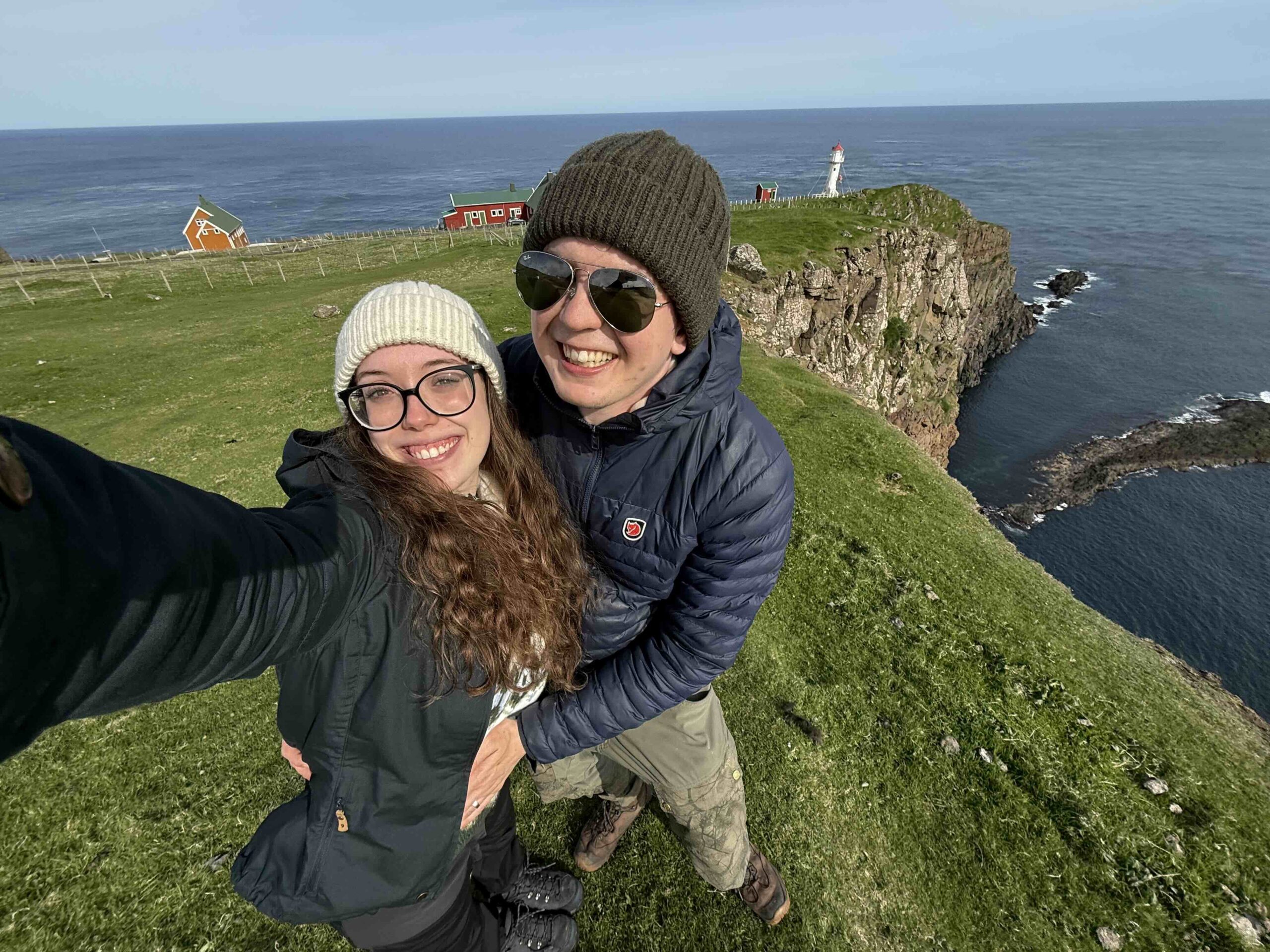
Long-term travel sounds expensive. And it can be — if you keep the habits that made sense for a one-week holiday. We’ve spent years figuring out the difference between the two, visiting 21 countries from our home base in Rovaniemi, Finnish Lapland. We don’t have a trust fund. We have a system.
This guide covers how to actually save money while traveling long-term — not the generic advice you’ve already read, but the decisions that changed our real numbers on the road.
The biggest long-term travel savings come from slowing down (fewer transport costs), cooking more than you eat out, timing your moves around low season, and treating accommodation like a long-term renter, not a tourist. The monthly costs drop faster than most people expect once those four habits are in place.
Why long-term travel is actually cheaper than short trips
This sounds backwards until you run the numbers. A two-week holiday in Norway might cost you €3,000 — flights, hotels, daily restaurant meals, tourist activities. That’s €215 per day. Long-term travelers in the same country, renting a room or short-term apartment and cooking half their meals, often land at €60–90 per person per day, depending on lifestyle and location.
The three cost categories that change when you slow down
- Flights: you stop flying every week. The most expensive part of holiday travel is the habit of flying in, doing a quick loop, flying out. Long-term travelers might take one or two big flights a year. The rest is overland or ferry.
- Accommodation: weekly and monthly rates are significantly cheaper than nightly rates. A room that costs €90 per night in a hotel can cost €800–1,200 per month through a local rental. The longer you stay, the lower the daily rate.
- Eating: short-trip tourists eat every meal at a restaurant because they feel like they’re on holiday. Long-term travelers cook breakfast and lunch most days, saving restaurants for when it genuinely matters. The difference compounds fast.
When we were moving through Scandinavia — Norway, Sweden, Denmark — on a two-week trip, we spent significantly more per day than when we spent three weeks in any single country, using a rented apartment and a supermarket card.
Accommodation: the single biggest lever on your budget
If you fix accommodation, you fix your budget. Nothing else comes close in impact.
How to approach accommodation as a long-term traveler
- Think in weeks and months, not nights. Always ask for a weekly or monthly rate. Even in Finland, where accommodation prices are high, landlords and hosts will often negotiate down 30–40% for a month-long stay.
- Use slow platforms. Booking.com and Airbnb are calibrated for short stays. For long-term, we use local Facebook groups, Idealista, Imovirtual, and Wohnungsboerse depending on country. The rates are often half what you’d find on tourist platforms.
- Choose kitchenettes over breakfast included. A hotel room with breakfast included costs more per night and removes your ability to control your biggest daily expense. Always, always choose accommodation with a kitchen.
- Overlap regions with low cost. We deliberately structure our routes so that expensive countries (Norway, Iceland, Denmark) are short stays, and lower-cost stops (Estonia, Latvia, Poland, Portugal) are longer stays. The average cost across the year drops dramatically.
The long-term travel budget: a scannable reference
These are rough real numbers from our own travel, covering couples in their 30s with moderate comfort standards — not backpacker hostels, not luxury hotels.
- Finland / Norway / Iceland (high-cost Nordics): €80–130/day per couple, with apartment rental and some cooking.
- Sweden / Denmark: €70–110/day per couple, similar approach.
- Estonia / Latvia: €40–65/day per couple, full apartment, most meals cooked.
- Poland / Hungary: €35–55/day per couple, full apartment, mix of cooking and eating out.
- Portugal / Greece: €50–75/day per couple in shoulder season, higher in July–August.
- Singapore: €100–140/day per couple — expensive city, very hard to reduce without sacrificing safety.
- Annual flights budget (Europe-based): €600–900 per person per year if you consolidate moves and book early.
The long-term annual budget for a couple spending most of their time in Europe lands at roughly €25,000–38,000 depending on lifestyle, not including major gear purchases or emergency costs.
Our honest travel dispatches
Budget breakdowns, route notes, and things we learned the hard way — straight from Finnish Lapland.
Transport: when to move and when to stay
Transport is the second-biggest variable after accommodation. Long-term travelers get this wrong most often in the first few months, before they’ve felt the difference a slower pace makes.
The rules we actually follow
- Never fly within a region you can reasonably train or drive. The Baltic–Scandinavia corridor is perfect for overland travel. Estonia to Finland is a two-hour ferry. Finland to Sweden is an overnight ferry with a cabin. Sweden to Norway is a drive. None of these require planes.
- Book transport during weekdays, not weekends. Prices on Scandinavian trains, buses, and ferries are measurably higher on Fridays and Sundays. Tuesday–Thursday bookings consistently save 20–35% on the same route.
- Match transport method to duration of stay. If you’re spending three weeks somewhere, the extra hour of a bus over a flight is irrelevant. If you’re hopping for three days, a flight might save enough calendar time to be worth it.
- Rental cars: compare total cost including fuel, tolls, and parking. In Norway especially, tolls and ferry charges add up fast. We always calculate a full route cost before assuming a car is cheaper than a train.
When we drove from Rovaniemi to the Faroe Islands — through Finland, Sweden, Norway, and onto the Smyril Line ferry — the overland route was significantly cheaper than flying the same route would have been, and far more interesting.
Food and grocery realities on a long-term trip
Food is where daily spending habits have the most cumulative effect. A restaurant lunch adds €12–25 per person in Scandinavia. Cooking the same meal from a supermarket is €2–5. That’s €200–400 per person per month difference if you apply the habit consistently.
What the food system actually looks like for us
- Breakfast: always cooked. Oats, eggs, yogurt, fruit. Never a café breakfast unless it’s a special occasion. Cost per person: €1.50–3.
- Lunch: mostly packed or cooked. We make lunch from last night’s leftovers or a quick open sandwich. If we’re hiking, we pack. Cost: €2–5 per person.
- Dinner: the one variable. We eat out two to four nights per week, cook the rest. This is where the culture of a place lives — we don’t skip it, but we choose deliberately.
- Supermarket strategy: always go to the local budget chain, not the convenience store. In Finland it’s Lidl or K-Market; in Norway it’s Kiwi; in Estonia it’s Maxima; in Portugal it’s Pingo Doce. These are where locals shop.
- Alcohol at home, not in bars. In high-cost Nordics, a beer in a bar costs €8–12. The same beer from Alko or Systembolaget is €2–4. We buy it at the supermarket and drink it at the apartment.
Our biggest long-term travel money mistakes
- Not slowing down early enough. Our first six months of long-term travel, we moved too often. Every move costs — in time, in transport, in admin. We were moving every 4–5 days. The sweet spot turned out to be 2–4 weeks per location.
- Booking accommodation on tourist platforms. We paid Airbnb rates for the first year. Local rental boards, Facebook expat groups, and direct landlord contact gave us 30–50% lower prices for comparable places.
- Treating expensive countries as equal to cheap ones. Spending the same number of days in Norway as in Estonia made no budget sense. We should have structured routes so that expensive countries were treated as short transits, not extended stays.
- Not tracking spending weekly. A weekly review takes ten minutes. It caught us when restaurant spending crept up during social weeks, and when accommodation costs were eating more of the budget than planned. Without the review, it’s easy to drift.
- Emergency fund too small. We had a car breakdown in northern Norway that cost over €1,200. We had the money, but it hurt. Long-term travelers need a genuine emergency fund — not just a credit card limit — of at least €3,000–5,000 per couple.
- Underestimating the cost of “free” camping. Wild camping saves on accommodation but costs in gear, propane, car maintenance, and the mental overhead of finding spots. It’s worth it in certain contexts — driving Lapland, for example — but it’s not free.
Frequently asked questions
How much does long-term travel actually cost per month for a couple?
Highly variable, but a realistic range for a couple traveling Europe with moderate comfort standards — apartments over hostels, some cooking, occasional restaurants — is €2,500–4,500 per month. Expensive regions like Scandinavia push toward the upper end; Eastern Europe and Portugal pull it lower. Annual total for a couple is roughly €28,000–45,000 depending on lifestyle.
Is long-term travel cheaper than staying at home?
Often, yes — especially if your home is in a high-cost city. If you’re renting an apartment in Helsinki or Oslo, the cost of staying home and paying rent can exceed what you’d spend traveling slowly through cheaper parts of Europe. The comparison shifts when you factor in gear, health insurance, and an emergency fund.
What’s the best way to save on accommodation while traveling long-term?
Stay longer in each place, negotiate weekly and monthly rates, and use local rental platforms instead of Airbnb and Booking.com. Facebook groups and local expat forums often list apartments at 30–50% less than tourist platforms for stays of two weeks or more.
How do you track your travel spending as a couple?
We use a shared spreadsheet with five categories: accommodation, transport, food (cooking), food (restaurants), and other. We update it weekly, not daily. A weekly review is light enough to sustain, heavy enough to catch drift before it becomes a problem.
Do you need a special bank account for long-term travel?
A fee-free international bank card is essential — Revolut, Wise, or a travel-focused account from your local bank. Standard bank cards charge 1–3% on every foreign transaction. Across a year of long-term travel, that adds up to hundreds of euros in unnecessary fees.
How do you handle health insurance as a long-term traveler?
European travelers have the EHIC (European Health Insurance Card) for EU country coverage. For travel outside the EU — Iceland, the Faroe Islands, non-EU stints — we use annual travel insurance from a provider that covers trips up to 90 or 180 days. SafetyWing and True Traveller are popular among long-term travelers; we’ve used AXA for annual coverage.
A final word from Rovaniemi
We didn’t start traveling long-term because we had a lot of money. We started because we worked out that, if we did it carefully, it cost less than the alternative — a life spent saving up for two-week holidays that felt rushed before they began.
The money habits that work aren’t dramatic. They’re the same ones that work at home: know what you’re spending, move more slowly than impulse suggests, and don’t pay convenience prices when real prices are available nearby. The difference is that on the road, the payoff for those habits is measured in months of extra travel, not just a slightly healthier bank account.
From Lapland, we’ve watched those habits compound across 21 countries. They work. The hunger for travel doesn’t have to be expensive — it just has to be deliberate.
Joona & Alla
A Finnish-Ukrainian couple living in Rovaniemi, Finland. Joona is a marketing professional in Lapland tourism; Alla is an AI engineer. Together we’ve visited 21 countries and share honest, locally-grounded travel writing from our Arctic home base.
Read our full story →