The Best Road Trips Across Finland — A Local Couple’s Honest Guide
Finland is made for road trips. We live in Rovaniemi and have driven this country end to end — through birch forests, past a thousand lakes, along Arctic fell roads, and up to the Norwegian border. These are the best road trips across Finland that we would actually do again.
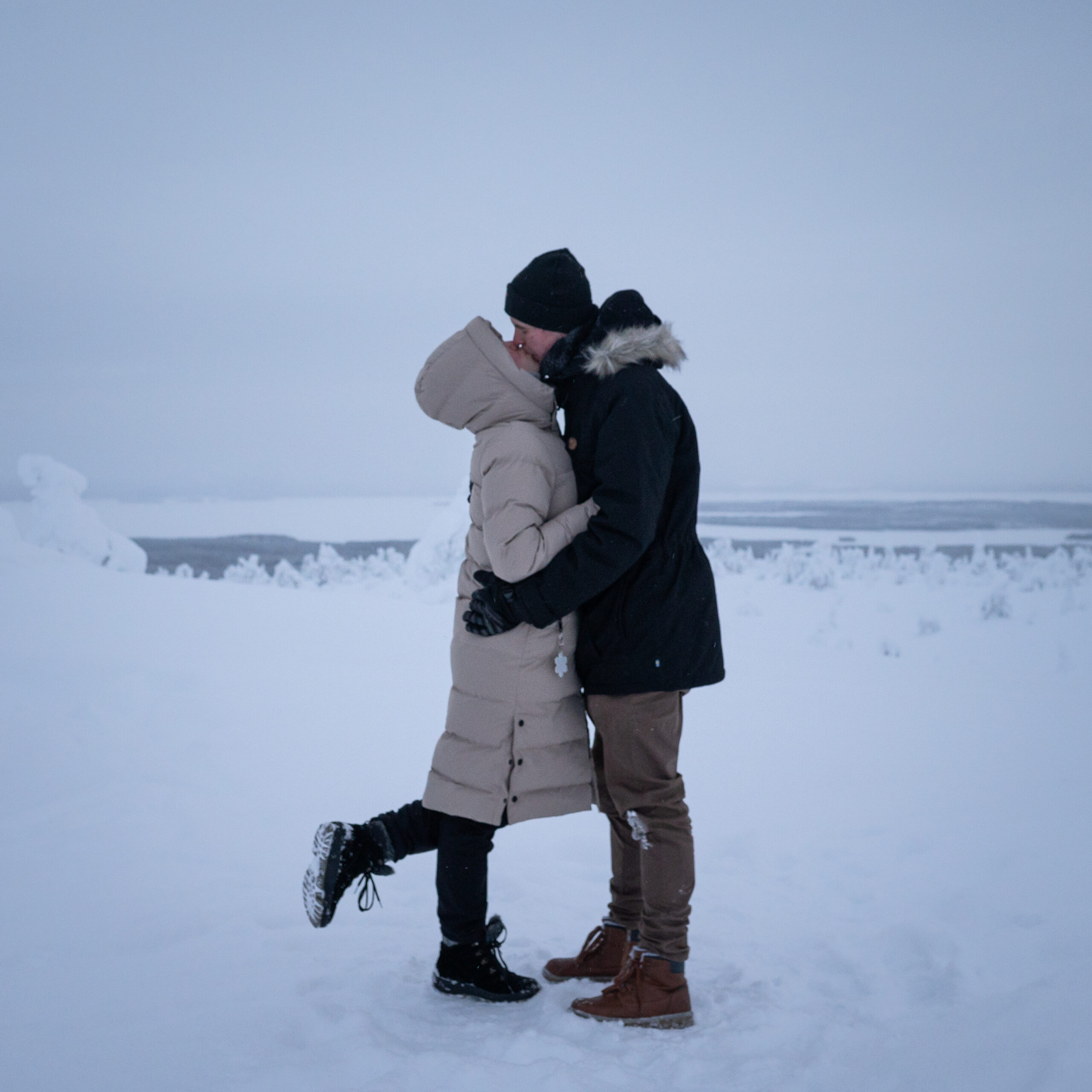
The best road trips across Finland range from the classic lakeland routes in the south to the dramatic fell roads of Lapland. Finland’s roads are quiet, well-maintained, and almost entirely scam-free — you can self-drive confidently with just a standard licence and a downloaded offline map. The routes below are ones we have driven ourselves, living here year-round in Rovaniemi.
Why Finland is so good for road trips
We have driven in twenty-five countries and Finland is genuinely among the easiest and most rewarding places to have a car. Not because it is glamorous or dramatic in the way Norway is — Finnish roads are quieter, the landscape is more subtle, and the payoff is slower to reveal itself. But that is exactly what makes it so good.
Distances are long, nature is wild, and the country rewards people willing to turn off the main road and see what is down a gravel track by a lake. The infrastructure is reliable. Speed limits are respected. There are no toll roads. Wild camping is legal almost everywhere under Everyman’s Right (jokamiehenoikeus). And in summer, the midnight sun means you can drive at 2 a.m. in full daylight — which, if you have never done it, is one of the stranger and more beautiful experiences available to a car traveller in Europe.
The basics before you go
Driving in Finland is straightforward for anyone used to right-hand traffic. Speed limits are well-signed and enforced by radar cameras on main highways. Fuel is widely available even in Lapland — you will rarely go more than 60–80 km between stations on main routes. The road quality is high on tarmac routes; gravel roads (soratiet) are common in national park areas and require more care in summer rain or spring thaw.
- Licence requirements: EU licences are accepted without restriction. Non-EU drivers need an International Driving Permit alongside their national licence. Rental agencies at Helsinki-Vantaa and Rovaniemi Airport are straightforward and English-speaking.
- Speed limits: 50 km/h in towns, 80 km/h on secondary roads, 100 km/h on main roads, 120 km/h on motorways. Reindeer crossing zones (Lapland) have lower limits and reindeer on roads are a real hazard — especially at dusk.
- Wildlife on roads: Reindeer, elk (hirvi), and deer all cross roads. Elk collisions are serious. Drive carefully at dawn and dusk, especially between September and November.
What makes these routes different
The routes below are not just point-to-point drives. Each one gives you access to a different version of Finland — the lake country, the archipelago coast, the Arctic fell landscape, the forest silence. We have chosen them because they can be done in a week or less, they are reachable from major airports, and they reward slower driving and spontaneous stops more than speed.
The essential routes — step by step
These are six routes we would genuinely recommend, ordered roughly south to north. Mix and match based on where you fly in and how much time you have.
Route 1 — The Lake Loop (Helsinki to Tampere via Lakeland)
This is the classic introductory road trip for anyone flying into Helsinki. You drive north through the Finnish lake district, looping through Hämeenlinna, Tampere, and back via Lahti — a circuit of roughly 500 km that can be done comfortably in four to five days.
- Highlights: Pyynikki ridge and observation tower in Tampere, Lake Pyhäjärvi viewpoints, Aulanko nature reserve near Hämeenlinna, roadside farm stalls in the countryside.
- Best for: First-time visitors to Finland, city-and-nature combinations, shorter trips.
- Practical note: This corridor is well-served by motorways but the real rewards are on the smaller road 9 and road 12 side roads. The E12 highway is fast but misses the lakes entirely.
Route 2 — The Archipelago Coast (Turku to Pori along the coast)
The Finnish archipelago is one of the largest in the world — over 40,000 islands off the southwest coast. The Archipelago Trail (Saaristorengas) is a marked scenic route from Turku that uses a series of small bridges and free ferry crossings to hop between islands. The full loop is around 250 km but the detours are half the point.
- Highlights: Free island ferries, medieval Korpo and Nagu village centres, quiet harbours with fishing boats, the Åland ferry connection from Turku for an optional extension.
- Best for: Slow travel, photography, summer cottages, anyone who wants to see Finland beyond the forests.
- Practical note: The island ferries are free and run on fixed schedules — check the Finnish Transport Agency ferry timetables before you go, especially in July when they are busy.
Route 3 — The Kainuu Forest Road (Oulu to Kuusamo)
This route heads east from Oulu into the deepest forest in Finland — Kainuu and North Karelia, where the landscape becomes bigger, emptier, and gradually more wild. Kuusamo is the gateway to Oulanka National Park and the Karhunkierros (Bear’s Ring) trail. The drive east on road 20 is roughly 230 km.
- Highlights: Rokua national park near Oulu (lakes and eskers), Karhunkierros trailheads at Oulanka, Korouoma Canyon, Kiutaköngäs rapids.
- Best for: Hikers, nature photographers, anyone chasing fewer crowds than Lapland in summer.
- Practical note: Kuusamo Airport has direct flights from Helsinki (about one hour) if you want to fly in and road trip south rather than driving from Oulu.
Route 4 — The Lapland Highway (Rovaniemi to Saariselkä on the E75)
This is the road we drive regularly from home. The E75 north from Rovaniemi is the main artery into Finnish Lapland — 260 km to Saariselkä, continuing another 30 km to Inari. The landscape shifts from taiga pine forest to open fell as you go north, and the light changes with it. In summer, the midnight sun is with you the whole way.
- Highlights: Pyhä-Luosto National Park (reachable on a detour east), the fell panoramas above Saariselkä, the Sámi cultural centre at Inari (Siida museum), Urho Kekkonen National Park access from Saariselkä.
- Best for: First-time Lapland visitors, families, anyone wanting to see Arctic Finland properly.
- Practical note: Rovaniemi Airport has direct flights from Helsinki (1h20m) and several European hubs in winter. Flying north and road tripping south is a clean option if time is limited.
Route 5 — The Three-Country Road (Rovaniemi to Nordkapp via Norway)
This is the big one. From Rovaniemi, drive north on the E75 to Inari, then west on road 970 to Karigasniemi, crossing into Norway at the Karigasniemi/Karasjok border. Continue north on E6 to Nordkapp — the northernmost point in mainland Europe, 71° north. The total one-way distance is around 720 km. Doable in two days; better in three.
- Highlights: The border crossing itself (no passport control within Schengen, but the landscape changes instantly), the Finnmarksvidda plateau in Norway, Honningsvåg, the Nordkapp cliff at midnight sun.
- Best for: Bucket-list drivers, anyone wanting to tick the northernmost point in Europe.
- Practical note: Norwegian roads are excellent but Nordkapp has a tunnel toll (around €20 per car in 2026) and the visitor centre charges an entry fee. In summer the site is busy — arrive before 9 a.m. or after 10 p.m. for the quieter experience.
Route 6 — The Midnight Sun Circle (Rovaniemi to Levi and back via Muonio)
This is our local favourite for a three-to-four-day loop. Drive northwest from Rovaniemi on road 79 toward Kittilä and Levi, then north to Muonio, across to Enontekiö and the Käsivarsi Wilderness Area, and back south on the 21 via Kolari. The loop is around 600 km and stays almost entirely in Finnish Lapland.
- Highlights: Pallas-Yllästunturi National Park (the longest fell chain in Finland), the Ounasjoki river valley, reindeer herds on open fells, Kilpisjärvi and the three-country cairn (Finland, Norway, Sweden) on a detour.
- Best for: Lapland regulars, fell hiking, anyone wanting to go beyond the E75 tourist corridor.
- Practical note: The road 21 along the Swedish border (the E8 to Tornio) is one of the most beautiful drives in Finland and almost nobody does it. Add it to the return leg if time allows.
Quick-reference: 8 Finland road trip facts
Before you plan, here are the things that consistently surprise people doing their first best road trips across Finland research.
Finland has no road tolls of any kind. Bridges, tunnels, highways — all free. This is unusual in Europe and makes self-drive budgeting simple. The only exception is if you cross into Norway, where tolls and AutoPASS apply.
Everyman’s Right (jokamiehenoikeus) allows you to camp overnight almost anywhere in Finnish nature — fields, forests, lake shores — as long as you are not visible from a private residence and leave no trace. Road tripping with a tent is genuinely viable and very common.
Fuel is available at reasonable intervals on the E75 and E8. The longest gap between stations on main Lapland routes is around 80–100 km. On wilderness detours (road 970, Käsivarsi), fill up before you turn off the main road.
North of the Arctic Circle in summer (roughly mid-June to mid-July), the sun does not set. Driving at 11 p.m. in full daylight is genuinely strange and beautiful. It also means fatigue is a real hazard — your body clock gets confused. Build in rest stops.
Many national park access roads, lakeside routes, and wilderness tracks are gravel. In dry summer weather they are fine for a normal car. After rain they can be slippery. Spring (April–May) is the worst — the thaw softens the surface. Check road conditions at liikennetilanne.fi before heading off-tarmac.
Mobile coverage is patchy in wilderness areas, national parks, and remote Lapland. Download offline maps for your planned route before leaving accommodation. Maps.me and OsmAnd both have good Finland coverage. This is not optional if you are heading off major routes.
Reindeer roam freely across Lapland roads year-round. They are often in herds, unpredictable, and a serious collision risk especially at dusk. Slow down near reindeer crossing signs and if you see one on the road, stop and wait — there are usually more behind it.
The most memorable moments on Finnish road trips are rarely the official viewpoints. They are the pull-off by a river you stopped at on instinct, the farm selling smoked fish by the road, the hiking trail you decided to do on the afternoon you were meant to drive straight through. Leave space in the itinerary.
Stories from the Arctic, in your inbox.
Once a week: one travel story, one local tip, one honest take. No noise.
Subscribe free →Planning and logistics
The practical side of a Finnish road trip is genuinely simple compared to most of Europe. Here is how we would approach it.
Car rental
- Book online in advance: All major agencies (Hertz, Sixt, Europcar, Budget) operate from Helsinki-Vantaa and Rovaniemi. Prices are competitive; book at least 2–3 weeks ahead in July for best availability.
- What size car? For south Finland routes, any car works. For Lapland, a slightly higher clearance is useful but not required on main roads. 4WD is only necessary on specific wilderness tracks and in winter.
- Insurance: Finnish roads are safe, but elk and reindeer collisions happen. Check whether your rental insurance includes wildlife collision cover — some basic policies exclude it. Additional collision waiver is usually worth it for Lapland drives.
Accommodation options
- Booking.com and Airbnb: Work well across Finland. Cabin and cottage accommodation (mökit) is a Finnish institution — look for lakeside rentals on Lomarengas.fi for a genuinely local experience.
- National park huts: The Metsahallitus system has bookable overnight huts on major hiking routes. Inexpensive, maintained, and bookable in English at outdoors.fi.
- Wild camping: Legally free almost everywhere under Everyman’s Right. A good sleeping bag, a small stove, and a tarp are all you need.
Budgeting the trip
- Fuel: Diesel and petrol prices in Finland are similar to Germany or the Netherlands. Budget roughly €1.70–1.90 per litre for petrol in 2026. Fill up in larger towns where competition keeps prices lower.
- Supermarkets: K-Ruoka and S-Market are your friends for self-catering. Finnish supermarkets have excellent fresh produce, a wide selection of ready meals, and the basics for campfire cooking.
- National park entry: Free. No fees, no booking required for day visits. Overnight hut stays are priced; check outdoors.fi.
Best seasons for each route
Finland’s driving experience changes dramatically by season. Here is the honest comparison — we have driven all of these routes in multiple seasons.
- June–August (Summer): The best all-round window for road trips. Roads are dry, nature is lush, and the midnight sun in Lapland is unforgettable. Mosquitoes are a real factor in Lapland in June and early July — pack DEET. Accommodation books up fast in July; reserve two to three months ahead.
- September–October (Autumn / ruska): Arguably the most beautiful time visually. Lapland turns gold, red, and orange in what Finns call ruska — the autumn colour season. The fell roads in September are spectacular. Cooler temperatures, fewer crowds, and no mosquitoes. A personal favourite.
- November–March (Winter): This is a different trip entirely — ice roads, snow-covered forests, and the possibility of northern lights. Winter driving in Finland requires winter tyres (rental cars come fitted with them by law), patience with reduced daylight, and awareness of icy road conditions. We have a separate guide on winter driving in Lapland if this is your season.
- April–May (Spring): The most underrated season but the most technically tricky for driving. Spring thaw (kelirikko) can make gravel roads impassable for weeks. Stick to tarmac routes in May. The light is beautiful and the snow is disappearing — but check road conditions daily.
Road trip mistakes we have made (so you don’t have to)
We have driven Finland enough to have made most of the classic mistakes. Here is the honest list.
- Underestimating distances. Finland is big. Rovaniemi to Nordkapp is over 700 km. Helsinki to Rovaniemi is 830 km. Looking at the map it feels manageable; behind the wheel through empty forest it is a long day. Always plan driving days conservatively — no more than 300–350 km if you want time to actually stop and look at things.
- Not downloading offline maps. We said it above and we mean it. Gravel road detours, national park tracks, and large sections of northern Lapland have no mobile signal at all. The experience of following a blue GPS dot with no map context is unpleasant. Download the offline map before you leave the last town.
- Driving at full speed past every “unscheduled” sight. The roadside smoked fish stall. The track that leads to a lake you can see from the road. The reindeer herd blocking your route for ten minutes. These are the moments. Stop for them. The schedule is flexible.
- Not budgeting for the midnight sun fatigue. When it never gets dark, your body loses track of time. We have started “short evening drives” at 10 p.m. and found ourselves 150 km further north at 2 a.m., wide awake and very far from our booking. Build in hard stops and use blackout curtains in accommodation.
- Assuming the first petrol station will be open. Unmanned fuel stations in Finland take card payment 24/7 and are usually reliable. But in very remote areas in winter, or during public holiday weekends, manned stations may be closed. Fill up when the tank is half full, not when the warning light comes on.
- Leaving Lapland without seeing a fell summit. The E75 through Lapland is fine, but the real Lapland is a short hike off the road — the fell tops above Saariselkä, the ridge of Pyhätunturi, the plateau above Levi. None of them require serious hiking experience. Pull off the main road and walk up for an hour. It is worth it every time.
Frequently asked questions
What is the best road trip in Finland for first-timers?
For first-timers, the Lake Loop (Helsinki to Tampere via Lakeland) is the most accessible introduction — manageable distances, excellent infrastructure, and a genuine taste of Finnish nature without the remoteness of Lapland. If you have at least seven days, fly to Rovaniemi and drive the Lapland Highway north to Saariselkä and Inari for the full Arctic experience.
Do I need a special licence or permit to drive in Finland?
EU licences are accepted without restriction. Drivers from outside the EU need an International Driving Permit alongside their national licence. Rental agencies at Finnish airports are accustomed to international visitors and the process is straightforward. There are no special permits required for any of the routes in this guide.
Are there toll roads in Finland?
No — Finland has no road tolls at all. Main roads, bridges, and all the routes in this guide are completely free to drive. The only tolls you will encounter are if you cross into Norway, where the AutoPASS system applies to most roads and tunnels.
Can I road trip Finland in a normal car, or do I need a 4WD?
A normal car handles all the routes in this guide in summer conditions. Gravel roads are manageable with care. 4WD is only necessary if you are planning specific wilderness tracks in Lapland (such as certain roads in Urho Kekkonen National Park) or winter driving. Check road conditions for your planned route before setting off — liikennetilanne.fi has real-time updates.
How long does it take to drive the length of Finland from south to north?
Helsinki to Nordkapp is approximately 1,600 km one-way. Driven straight it takes around 16–18 hours of driving time. We would recommend a minimum of four to five days to do it comfortably with stops — and ideally a week if you want to detour into Lapland national parks on the way. Most people fly to Rovaniemi and drive north from there, which cuts the south-to-north drive to around 700 km.
Is it safe to drive in Finnish Lapland alone?
Yes, with sensible precautions. The main risks are wildlife on roads (reindeer and elk), winter ice, and the remoteness that comes with wilderness driving. Download offline maps, carry a basic emergency kit (warm layer, water, first aid), have a charged phone, and download the 112 Suomi emergency app before you go. Solo driving in Lapland in summer is very manageable for any experienced driver.
A final word from Rovaniemi
We have had some of the best driving days of our lives on Finnish roads — and some of the most ordinary, in the best possible way. The country does not perform for you. There are no paid viewpoints with tour groups clustered in front of a fence. There is just a road, and trees, and a lake somewhere behind them, and the sense that you could turn left or right and find something that nobody else has found today.
The best road trips across Finland are the ones with a rough plan and room for the unexpected. Pick a route that roughly matches your time and interests, book the first and last nights, and leave the middle open. Drive north when the mood takes you. Stop when something catches your eye. Eat where locals eat. Camp by a lake if you feel like it.
Finland will reward you for slowing down. It almost always does.
Joona & Alla
A Finnish-Ukrainian couple living in Rovaniemi, Finland. Joona is a marketing professional in Lapland tourism; Alla is an AI Engineer. Together we have visited 25 countries and share honest, locally-grounded travel writing from our home in the Arctic.
Read our full story →Pick a route, then pick a van
Every route on this page works better with a home on wheels.
Compare Finland campervans in one search
160+ rental brands, free 1GB eSIM with every booking, and 5% off with code HUNGRYTRAVELFAMILY5. It’s how we price our own summers on the road.
Check prices →Take the Nordic light home
Aurora, fells and frozen lakes, shot by Joona and printed on museum paper. Ships worldwide from Printler.
Browse the prints →Our Nordic trip planner (PDF)
The one-page planner we use ourselves, plus the HUNGRYTRAVELFAMILY5 5% code and one short email a week with real deals. Unsubscribe any time.