Amsterdam in Summer: Canals, Parks, and the Crowds We Avoided
We went to Amsterdam in July expecting chaos and found pockets of genuine calm. Here’s what actually worked, what didn’t, and how to read the city like it’s already yours.
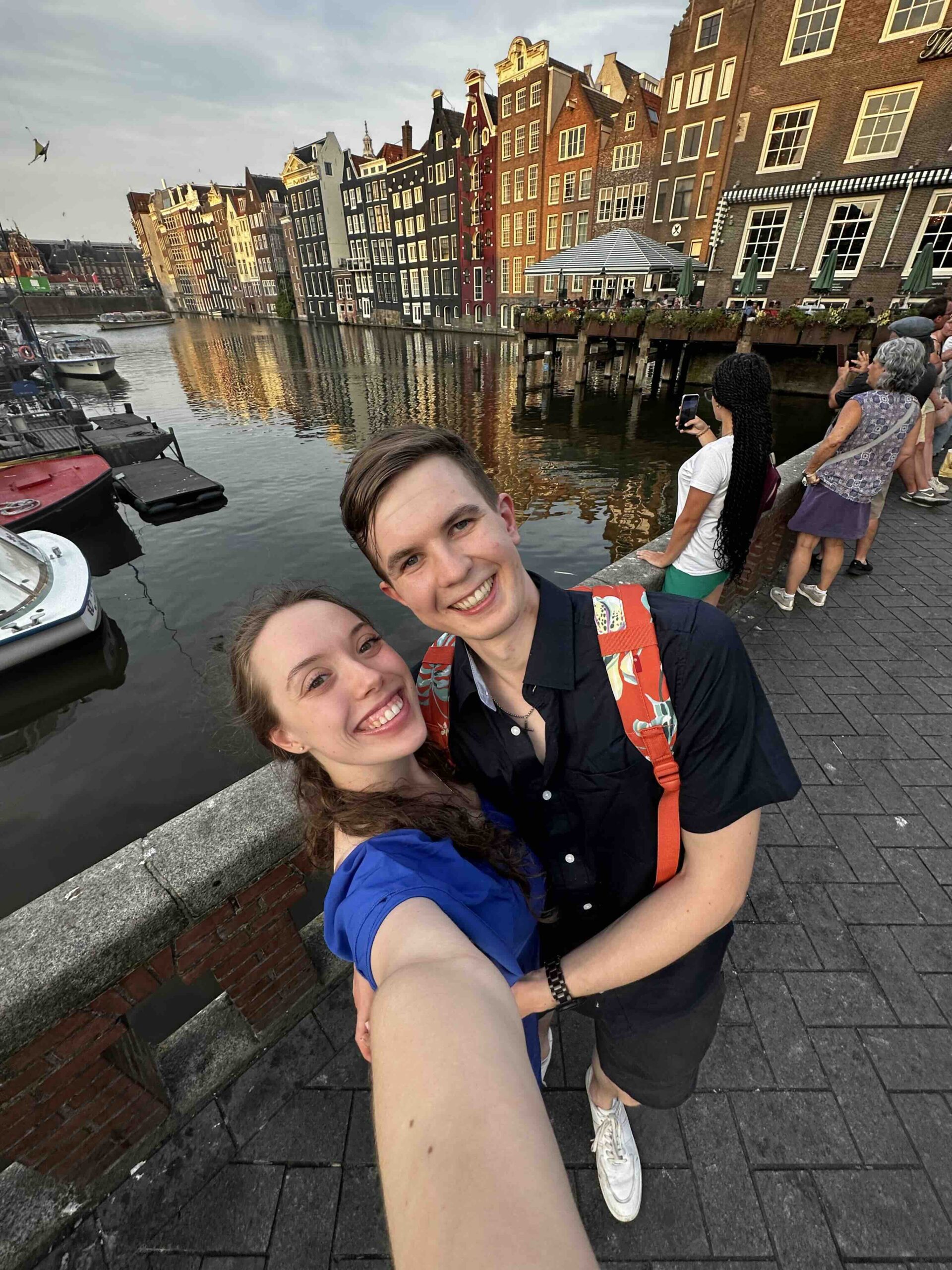
We’ve been to Amsterdam twice — once in autumn, once in summer. Summer is the harder version. The city is more alive, the canals smell different in the heat, and the tourist machine is running at full speed. But we figured out something on that July trip: Amsterdam actually rewards the people willing to move one neighbourhood to the left of wherever everybody else is going.
This guide is what we wish we’d read before we went. Not the version that pretends every canal is peaceful. The honest one, from a couple who lives in Lapland and has visited 25 countries — we know what overtouristed feels like, and we know what the exit looks like too.
Amsterdam in summer is worth it, but it requires a strategy. Stay west of the Jordaan or in the De Pijp neighbourhood, visit the Rijksmuseum and Van Gogh Museum first thing in the morning or book timed slots weeks in advance, and plan your canal time for after 7 pm when day-trippers leave. The crowds are real — but so is the city underneath them.
When to go — and what summer actually feels like in Amsterdam
Amsterdam’s summer runs from mid-June through August. Temperatures hover between 18°C and 26°C — not scorching by Mediterranean standards, but warm enough that the terraces fill up instantly and the city smells noticeably more “canal” than it does in spring. By Finnish standards, it’s practically tropical.
The two very different faces of Amsterdam summer
- June is arguably the best month — long days, manageable crowds early in the month, the tulip season is over so accommodation prices haven’t fully peaked. Pride Amsterdam (late July) and summer school holidays (mid-July through August) are when the city reaches maximum density.
- July and August are the peak of the peak. Leidseplein and the Rijksmuseum square will feel like a music festival without a headliner. If you’re going in these months, you need a plan, not just an itinerary.
What the heat does to Amsterdam
Amsterdam is a flat, cycling city. Summer heat doesn’t trap you indoors the way it does in Athens or Rome — a breeze off the IJ river or the canals usually keeps things tolerable. The bigger issue is crowds, not heat. That said, if you’re coming from a country where 24°C is considered cold (hi, Finland), you’ll feel right at home.
Where to stay to avoid the worst of the crowds
This is the single decision that shapes your whole trip. The tourist belt — Centrum, the Red Light District, the area immediately around the Rijksmuseum — is genuinely exhausting in summer. You don’t need to avoid Amsterdam to avoid the chaos. You need to pick the right neighbourhood base.
The neighbourhoods that worked for us
- Jordaan (western part) — The most beloved neighbourhood in Amsterdam for a reason. It’s touristy, yes, but it has enough residential life that it doesn’t feel like a theme park. The further west you go (towards the Jordaan’s quieter streets), the better.
- De Pijp — South of Centrum, separated from it by the Amstel. The Albert Cuyp Market, Indonesian restaurants, coffee bars full of locals. This is where Amsterdammers actually live. We’d base ourselves here on a summer return trip.
- Westerpark area — Industrial-chic, further from the main sights, excellent for an evening walk when the rest of the city is gridlocked.
- Avoid: Centrum hotels near Dam Square — They’re convenient in theory and genuinely unpleasant in practice in July. The noise, the bachelor parties, the tour groups — it grinds you down by day two.
How to book without paying peak nonsense prices
- Book at least 6–8 weeks out for July. We left it to three weeks once and paid almost double.
- Consider Haarlem (20 minutes by train) as a sleeping base — smaller, quieter, far cheaper, with easy access into Amsterdam each day.
- Check Booking.com filters for “breakfast included” — in Amsterdam, a hotel breakfast can save you a lot of time and surprise spend in a tourist-priced café nearby.
Read next Planning the wider Dutch leg of a Europe trip? Our guide to the Netherlands beyond Amsterdam covers Rotterdam, Utrecht, and the countryside routes worth adding to your route.
Amsterdam summer quick-reference checklist
Use this before you leave home. The items people skip are almost always the ones that cost them the most time on the ground.
Book Rijksmuseum and Van Gogh Museum tickets online — at least 2–3 weeks ahead in July. Walk-up entry is not reliably available in summer.
Buy an OV-chipkaart from a yellow machine at Schiphol or any train station on arrival. Tap in and out on trams, metro, and buses. Don’t buy a paper ticket every time — it costs more and slows you down.
Rent a small electric boat (no licence required) for 2–3 hours in the late afternoon. Prices are lower and the canals are quieter after 5 pm. Booking: Mokumboot or Canal.nl.
Walk two streets off any main canal and you’ll find restaurants serving the same food for 30–40% less. The Albert Cuyp Market in De Pijp is the best street food stretch in the city.
Vondelpark has fountains and serious shade. It’s extremely local in summer — bring a blanket and a picnic and spend a slow afternoon there. No entry cost, no tour groups.
After 7 pm, the canal ring becomes a different city. Most day-trippers have left. Take a walk along Prinsengracht or Keizersgracht with a beer from a bottle shop — this is the Amsterdam that actually lives in your memory.
Get our best travel tips in your inbox
Monthly stories from Rovaniemi — Arctic tips, packing lists, and the places we keep coming back to.