Managing Waste on Long Road Trips: What Actually Works
After thousands of kilometres across Finland, Norway, Iceland, and the Faroe Islands, we have figured out the waste system that keeps the car clean, the nature intact, and the guilt nonexistent — whether you are wild-camping or pulling into a motorway service station.
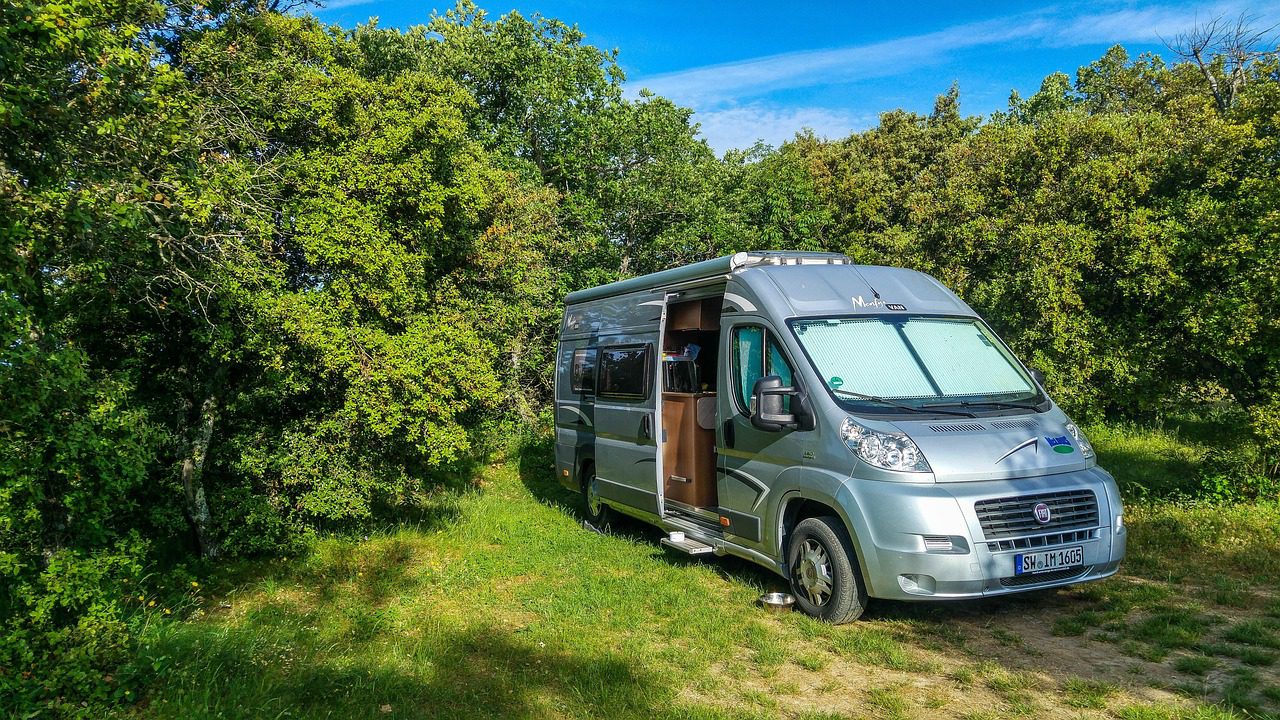
The most effective waste management road-trip system uses three labelled bags (trash, recycling, compost) inside one small bin, a drop plan every two to three days at service stations or supermarkets, and the leave-no-trace rule as a daily check. It takes about five minutes to set up and removes almost all the friction of keeping your car and campsites clean on long Nordic road trips.
- Why waste management matters more on road trips than at home
- The three-bag system we use in every country
- Our quick-reference waste checklist (copy and save this)
- Where to drop waste in the Nordic countries
- Recycling rules country by country
- Mistakes we made (and how you can skip them)
- Frequently asked questions
- A final word from Rovaniemi
Why waste management matters more on road trips than at home
When we drove from Rovaniemi to the Lofoten Islands for the first time, we had no waste system at all. By day three the car smelled of banana peel and coffee cups, we had accidentally left a bag of recycling at a wild campsite in Norway (Allemannsretten does not cover that), and we had two full bags of mixed waste with no idea where to drop them in a country we barely knew. It was embarrassing and completely preventable.
At home, waste management is invisible. Bins go on the kerb, collections happen weekly, and there are separate containers for every material. On a long road trip you become your own waste management authority. Every decision about what to buy, how to carry it, and where to leave it falls on you. The good news is that once you build the habit, it costs almost no mental energy.
The environmental stakes
Nordic countries operate under strong litter laws and a deep cultural respect for nature. In Finland and Scandinavia, Jokamiehenoikeus (Everyman’s Right) gives you extraordinary access to forests, lakes, and coastlines, but that right comes with an explicit responsibility to leave no trace. We have seen the tension in Iceland too, where the surge of visitors in recent years has left black sand beaches dotted with rubbish that was not there a decade ago. The infrastructure is fragile, and individual travellers’ habits directly shape it.
The practical stakes
Beyond the ethics, there is a purely selfish argument: a messy car is a miserable car. On long driving days you want to reach into the back and grab a snack without touching a three-day-old wrapper. A functioning waste management system is as much a comfort upgrade as a good sleeping mat.
The three-bag system we use in every country
After road trips across 21 countries we settled on the simplest system that works everywhere, regardless of local recycling rules.
Bag 1: General waste (black or opaque bag)
Everything that cannot be recycled or composted goes here: food packaging with mixed materials, greasy wrappers, tissues, stickers, broken items. We use a standard ten-litre bin bag inside a small pop-up bin with a clip lid. The lid matters. It keeps smells in and insects out. We empty this at any service station when it is half full, not when it overflows.
Bag 2: Recycling (clear bag so you can see what is inside)
Plastic bottles, glass, cans, cardboard. The clear bag means you can check at a glance whether something non-recyclable has crept in. In Finland, Norway, Sweden, Denmark, and Iceland, most bottles and cans carry a deposit mark (pantit in Finnish, pant in Norwegian, Swedish, and Danish). You get the deposit back at return machines in supermarkets. We treat this bag as a small piggy bank. On a ten-day Norway trip we returned around twelve euros in bottle deposits, which paid for two coffees and a ferry snack.
Bag 3: Organic waste (paper bag or compostable liner)
Fruit peels, vegetable scraps, coffee grounds, eggshells. In the Nordic countries, organic waste is increasingly separated. We use a small compostable liner. In remote areas with no composting facility, we bury small amounts of raw organic matter at least seventy metres from any water body, which is accepted under Nordic Everyman’s Right (excluding cooked food, meat, or dairy, which must be carried out).
The whole system lives in a small collapsible crate in the boot, takes up less space than a shoebox, and packs flat when not in use.
Our quick-reference waste checklist (copy and save this)
Before leaving any campsite or rest stop, walk one slow lap around the area. If you find something that is not yours, pick it up anyway. It takes thirty seconds.
Do not throw something in the general bag planning to sort it later. Sort immediately. In a moving car, later never happens.
In Nordic countries, look for a pant or pantit symbol on bottles and cans. Throwing a deposit item in the bin is throwing money away. Return machines are in almost every supermarket.
Mark supermarkets and service stations on your route in advance. Dropping waste on schedule prevents bags from overflowing. We save petrol stations with visible waste facilities in Google Maps.
Burning plastic releases toxic compounds. Burying non-organic items pollutes groundwater. Both are illegal across all Nordic countries. Carry it out, always.
Batteries, old electronics, camping gas canisters: these cannot go in a general bin. Save them for designated hazardous waste points found at most large supermarkets in Finland, Norway, Sweden, and Iceland.
A spilled yoghurt or leaking bag dealt with immediately costs two minutes. Left until camp it costs half an hour and a lingering smell for two days.
Some Icelandic and Norwegian sites near protected areas have specific waste rules. A five-second scan of the local signs avoids a fine and an uncomfortable conversation with a ranger.
Letters from Rovaniemi
Practical road trip guides, waste-free travel tips, and honest Nordic stories delivered from Finland to your inbox.
Where to drop waste in the Nordic countries
One of the biggest anxieties for new road trippers in remote Nordic areas is simple: where do I actually leave my rubbish? The answer is always somewhere planned, never somewhere improvised.
- Service stations and motorway rest areas — Virtually every staffed service station in Finland, Sweden, Norway, and Denmark has general waste bins and often separated recycling. These are your most reliable daily option.
- Supermarket car parks — In Finland (K-Ryhmä, S-Ryhmä chains) and Norway (REMA, Bunnpris, Kiwi), supermarket car parks nearly always have sorted waste bins. Most also have bottle return machines inside the store.
- Recycling centres — Called kierrätyskeskus in Finnish and gjenvinningsstasjon in Norwegian. Found in most towns. Free to use, accept all sorted categories. In Norway, some require a local ID for certain streams, but tourists can drop general waste without issue.
- Camping grounds — Even if you do not pay to stay overnight, many formal campgrounds in Iceland and the Faroe Islands allow use of their waste facilities for a small fee of one to two euros. Worth asking.
- Harbours and ferry terminals — These often have public bins that are emptied frequently. Useful after coastal or island nights where no other facility was available.
Recycling rules country by country
Recycling rules differ significantly between Nordic countries, and getting them wrong means your carefully separated recycling ends up in landfill. Here is what we learned firsthand across our most-driven routes.
- Finland — Separate categories: biowaste, paper, cardboard, glass, metal, plastic (rigid packaging only), and residual waste. The Palpa bottle deposit system is excellent. Hazardous waste goes to Ekopoint locations, free of charge, no ID required.
- Norway — Categories: food waste, paper and cardboard, plastic packaging, glass and metal, and residual. The pantesystem covers bottles and cans (0.25 to 3 NOK per unit). Note that plastic means packaging specifically, not all plastic materials.
- Sweden — The FTI system covers separate streams for paper, cardboard, coloured glass, clear glass, plastic, and metal. Pant works similarly to Norway via Returpack machines at grocery stores.
- Denmark — Sorting infrastructure is less developed than its Nordic neighbours in rural areas. General waste plus glass plus paper is often the realistic expectation outside of cities. The pantesystem covers most bottles and cans.
- Iceland — Sorting is improving but limited outside Reykjavik. General waste plus glass is the practical standard on the road. Carry recycling until you reach a petrol station in a larger town.
- Faroe Islands — Small container fleet. General waste plus glass is the standard across the islands. Dedicated recycling points exist in Torshavn and Klaksvik. The islands are small enough that any litter is immediately visible and damaging. Carry everything out.
Mistakes we made (and how you can skip them)
We made all of these. You do not have to.
- Buying drinks in non-deposit countries then driving into pant countries. Bottles bought in Germany carry no Finnish or Norwegian deposit value. We now switch to buying local drinks once we cross into pant territory.
- Using biodegradable bags for recycling. Biodegradable bags decompose, sometimes inside the return machine. Use clear plastic or reusable mesh bags for deposit items.
- Leaving organic waste too close to water. In Finland’s lake district we once buried apple cores twenty metres from a lake. Far too close. The minimum is seventy metres from any water body.
- Assuming a scenic lay-by had a bin. Remote viewpoints in Norway and the Faroe Islands almost never have bins. The absence of a bin is not an invitation to leave something behind. It is a signal that the area is managed as wilderness.
- Forgetting about gas canisters. We left two empty camping gas canisters in a general bin in Iceland, which is illegal. Gas canisters must go to a hazardous waste point or be returned to an outdoor gear shop that accepts them.
- Not sorting as we go. Early on we threw everything into one bag and planned to sort it at camp. We never did. Sorting in the moment takes three seconds. Sorting a full mixed bag at camp takes twenty minutes and smells unpleasant.
Frequently asked questions
Can I legally bury food waste when wild camping in Nordic countries?
Small amounts of raw organic waste such as fruit peel, vegetable scraps, and eggshells can be buried at least seventy metres from any water body, campsite, or trail. Cooked food, meat, and dairy should never be buried as they attract wildlife and decompose slowly. Carry cooked food waste to a service station. This rule applies consistently across Finland, Norway, Sweden, and Iceland.
What do I do with a full waste bag if there are no bins for days?
Keep it in the boot in a sealed, clip-lid container. A small plastic storage box eliminates smell almost entirely. Plan your route around supermarkets every two to three days. Even remote Norwegian main roads pass a Kiwi or Bunnpris roughly every 100 to 150 kilometres. On a genuine backcountry route, pack out everything from the first day and plan the first drop point before you leave.
Do Nordic campsite waste facilities apply to day visitors?
It depends on the campground. Most formal camping grounds in Norway and Iceland allow day visitors to use their waste bins for a small fee of one to two euros. Some prefer that you purchase a service item such as a coffee or a bag of firewood instead. Wild camping areas have no facilities. You carry everything in and everything out.
Is the bottle deposit system worth using as a tourist?
Absolutely. Return machines at Finnish and Nordic supermarkets are simple: feed in the bottle or can, receive a printed voucher, spend it at the checkout or take the equivalent in cash. On a two-week Scandinavia trip collecting deposit items, you can easily accumulate eight to fifteen euros. It is one of the small pleasures of Nordic travel and significantly reduces what you need to carry to a general waste bin.
What happens if I leave rubbish at a Norwegian or Finnish wild camping spot?
Under Norwegian Allemannsretten and Finnish Jokamiehenoikeus, leaving waste in nature violates the conditions of those rights and constitutes littering under local law. Fines can be issued. More practically, local communities and landowners monitor popular wild camping spots, and repeat problems can result in access being restricted for everyone. The cultural expectation is leave-no-trace, and it is taken seriously across all Nordic countries.
How do I handle hazardous waste like batteries or gas canisters on a long trip?
Carry a small dedicated bag for hazardous items: batteries, used gas canisters, expired medication, broken electronics. In Finland, Ekopoint locations accept these free of charge with no registration needed. In Norway, look for farlig avfall collection points at recycling stations or large hardware stores such as Biltema or Clas Ohlson. In Iceland, petrol stations in larger towns often accept camping gas canisters. Never place hazardous items in a general waste bin.
A final word from Rovaniemi
We live in Lapland, which means we live inside the landscape that most road trippers are driving thousands of kilometres to see. The rivers we swim in, the forests we ski through in winter, the lake we watch from our window on a July evening when it never gets dark: these are the same places our readers are photographing and calling the most beautiful they have ever seen. That is not a coincidence. They look that way because people have taken care of them for a very long time.
Waste management on a road trip is not a burden. It is a five-minute setup and a small daily habit that costs you nothing and gives you something real: the knowledge that you passed through and left nothing behind. The next person who parks at that wild campsite finds it as clean as you did. The stream you slept beside is as clear for them as it was for you. The puffins nesting on a Faroese cliff have one fewer plastic item drifting their way.
We are not perfect travellers. The gas canister story above is honest evidence of that. But we are better than we were, and every trip teaches us something new. If this guide saves you even one awkward moment of standing next to an overflowing bag with nowhere legal to put it, it has done its job.
Drive well, sort as you go, and we will see you somewhere north.
Joona & Alla
We are a Finnish-Ukrainian couple based in Rovaniemi, Lapland. We have road-tripped through 21 countries including all of the Nordic nations, Iceland, and the Faroe Islands. Joona leads marketing for a Lapland hospitality group; Alla studies content creation and AI. Together we run Hungry Travel Family: honest, first-person travel guides for people who are hungry to see the world without leaving it worse off.
More about us →