Is Ireland a Good Coolcation Destination?
We went. The cliffs were real, the rain was real, and so was the relief from the heat. Here is our honest verdict on whether Ireland belongs on your summer 2026 shortlist.

We live in Finnish Lapland, which means summer heat barely exists in our vocabulary. But we have been to Ireland — and when we look at the 2026 “coolcation” trend sweeping through European travel searches, Ireland keeps rising to the top of every list we see. So we sat down and asked ourselves honestly: is that hype, or does Ireland actually deliver?
Short version: yes, with caveats. This post breaks down the full picture so you can decide for yourself.
Ireland is a genuinely excellent coolcation destination for summer 2026. Temperatures average 15–18 °C on the west coast in July, the Wild Atlantic Way offers some of Europe’s most dramatic scenery, and the country is considerably less crowded than Scandinavia or Iceland at the same price point. The trade-off: rain is real and unpredictable. Pack a waterproof and embrace it.
What actually makes Ireland a coolcation destination

The coolcation trend is driven by one simple fact: southern Europe is getting hotter. Athens and Barcelona were registering 40 °C heatwaves by June in 2025, and the forecasts for 2026 are no better. Travelers are rerouting north — and Ireland sits right at the geographic sweet spot of “dramatically beautiful” and “reliably cool.”
Why Ireland fits the coolcation brief
- Temperature ceiling of 18–20 °C in summer — warm enough to enjoy, cool enough to walk all day without wilting.
- Green because it rains — but that same rain keeps the landscape extraordinary. The Cliffs of Moher and Connemara look the way they do precisely because of the Atlantic weather.
- English-language country — lower friction for first-time independent travelers than Norway or Iceland.
- Rich culture and food scene — pubs, music sessions, seafood. Ireland has finally built a modern food identity to match its older reputation.
- Smaller crowds than the Nordics — Iceland is now seriously overtouristed in summer. Ireland’s west coast still has breathing room, especially in June and September.
How it differs from Nordic coolcations
Traveling from Rovaniemi, we compare everything to Scandinavia. Ireland feels warmer and greener, more maritime. The light in summer is long but not “midnight sun” long — Dublin gets around 17 hours of daylight in June. The vibe is Celtic and Atlantic rather than Nordic and boreal. For travelers who want dramatic nature without 24-hour daylight and without the price tag of Iceland, Ireland is genuinely compelling.
Weather: the honest numbers for summer 2026
Let’s talk about the rain, because ignoring it would be dishonest. Ireland gets rain in summer. Not torrential, not all day every day — but regular Atlantic showers that move through fast. Here is what you can actually expect.
- June: 15–18 °C, around 60 mm of rain, roughly 7 rainy days. The best light of the year; dramatic clouds over cliffs.
- July: 16–20 °C, busiest month, slightly more settled weather on the east coast.
- August: similar to July; the Atlantic can feel moody on the west but that’s part of the character.
- September: crowds drop sharply, prices fall, weather is often drier than July. Our recommended month if you have flexibility.
The key insight: Irish summer weather is highly regional. The east coast (Dublin, Wicklow) is noticeably drier and warmer than the west (Galway, Kerry). A trip that mixes both regions manages the risk well.
Related read We covered Ireland in detail in our Ireland travel page — check it for accommodation picks, getting around, and the best coastal drives.
The best coolcation spots in Ireland
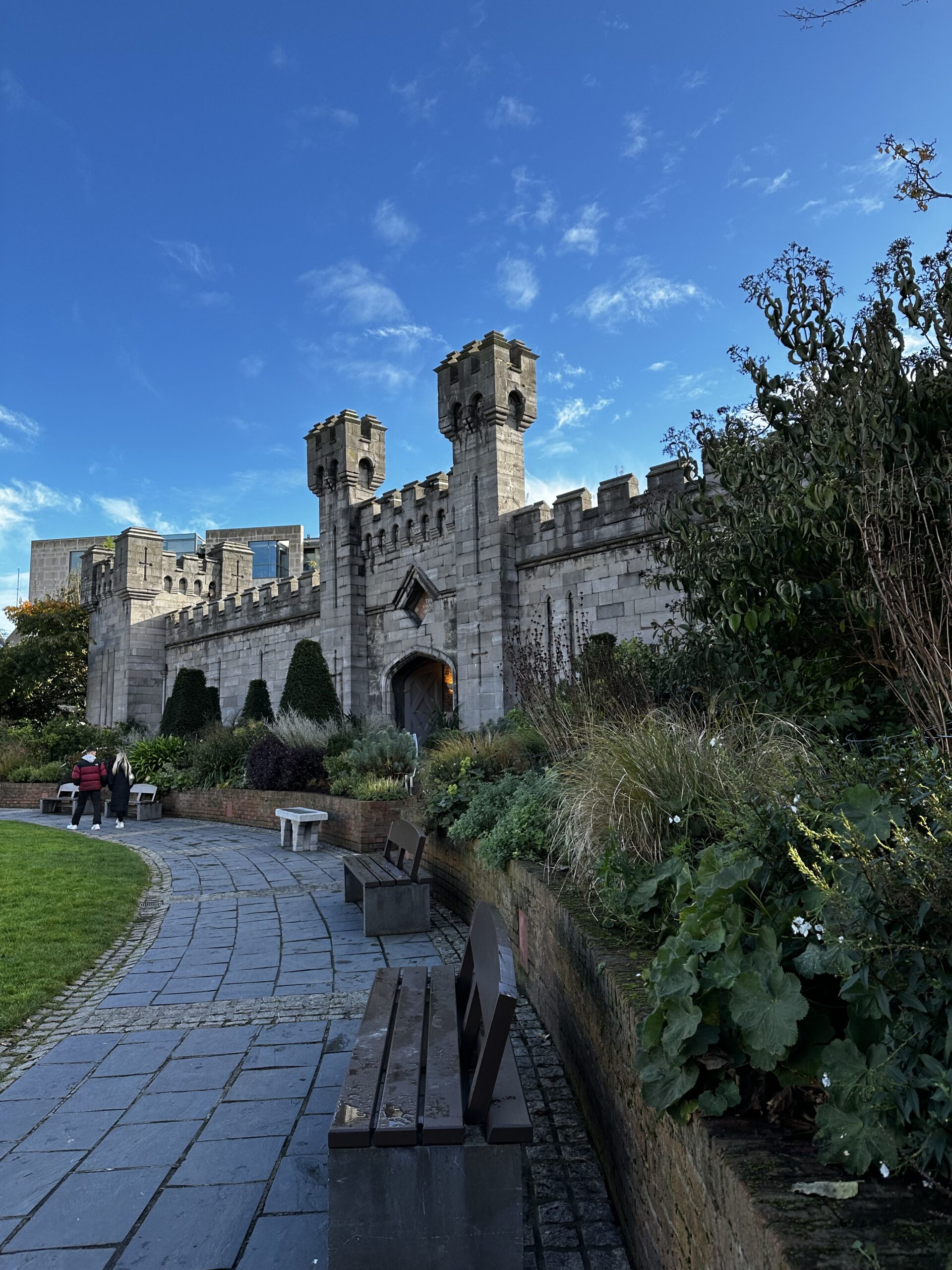
Ireland is small enough to cover a lot of ground in one trip — the whole country is about the size of one Finnish province. Here are the areas that deliver the strongest coolcation experience.
This 2,500 km coastal route is Ireland’s backbone for dramatic scenery. You don’t need to drive the whole thing — the stretch from Galway south through the Burren, Cliffs of Moher, and into Kerry is the highlight reel and easily done in 3–4 days.
Bogs, mountains, stone walls, Atlantic inlets — Connemara is the Ireland of posters brought to life. It’s best as a slow drive or a hiking base. Quiet, dramatic, and significantly cooler than Dublin even on warm days.
Often overshadowed by the Ring of Kerry, Dingle is smaller, quieter, and has one of Ireland’s best village pub scenes. The Slea Head Drive offers cliffs, ancient stone beehive huts, and a view of the Blasket Islands that competes with anything in Scandinavia.
The Burren is a unique limestone plateau — flat grey rock with wildflowers growing through cracks, above an impossibly blue Atlantic. Doolin is the traditional music hub of Ireland; evening sessions in the pubs are genuinely special.
Dublin works well as an arrival and departure city. The coast south of Dublin — Dalkey, Killiney — has beautiful swimming spots and feels unexpectedly Mediterranean on a sunny afternoon.
If you’re open to crossing into Northern Ireland: the Giant’s Causeway, Bushmills, and the Antrim coast are visually spectacular and far less visited than the Wild Atlantic Way.
Get our best travel tips in your inbox
Monthly stories from Rovaniemi — Arctic tips, packing lists, and the places we keep coming back to.