Free Water While Traveling in Scandinavia — What You Need to Know
From Norwegian mountain streams to Finnish tap water ranked among the world’s best, Scandinavia is one of the few places on earth where staying hydrated costs absolutely nothing. Here is everything we know after years of road-tripping the region.
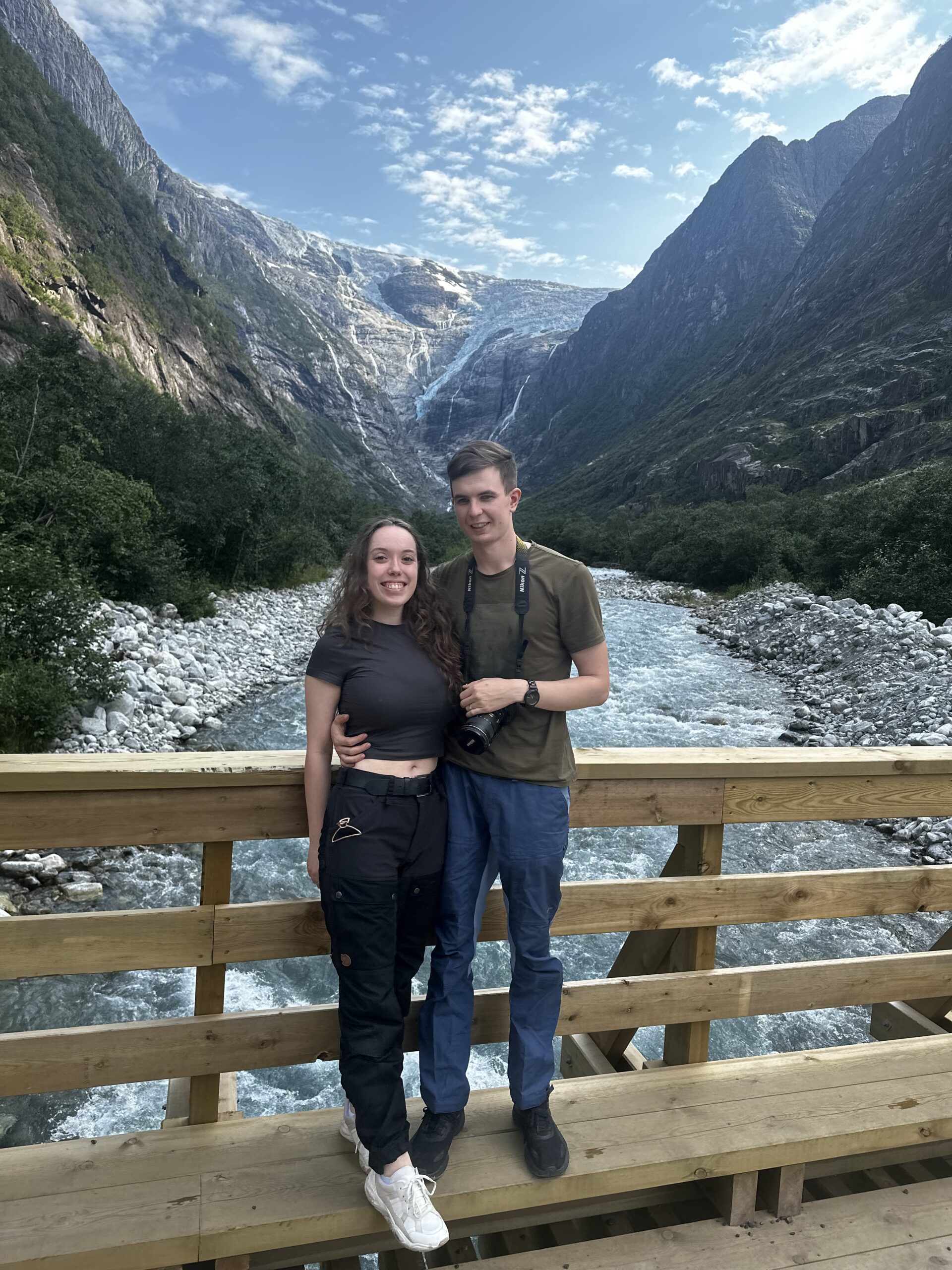
We fill our water bottles from the tap in Rovaniemi every single morning. When we are on the road in Norway we pull over at a stream, cup our hands, and drink. After road trips across Finland, Sweden, Norway, Denmark, Iceland, and the Faroe Islands we have never once bought a bottle of water because we had no other option. Scandinavia is simply built differently when it comes to water.
This guide covers everything: tap water quality country by country, where to find free drinking water in cities, how to safely drink from natural sources, what to carry, and the handful of situations where you actually do need to pay attention.
Tap water is safe and free to drink in Finland, Sweden, Norway, Denmark, Iceland, and the Faroe Islands — all of it, including in remote cabins and small towns. Natural streams in the Norwegian and Finnish mountains are generally drinkable. Carry a reusable bottle and you will not spend a single euro on water during your entire Scandinavian trip.
Is tap water really safe everywhere in Scandinavia?
The short version — yes, reliably
All six Nordic countries — Finland, Sweden, Norway, Denmark, Iceland, and the Faroe Islands — consistently rank among the top countries in the world for municipal drinking water quality. The European Drinking Water Directive sets minimum standards, and Nordic countries routinely exceed them by a wide margin.
Finnish tap water is produced mostly from groundwater and surface water that passes through some of the world’s least polluted landscapes. Swedish municipalities publish annual water quality reports and the standards are strict. Norway’s water supply — fed by glaciers, mountain lakes, and pristine rivers — is so clean that bottled water is genuinely considered an unnecessary product by most Norwegians. Denmark, Iceland, and the Faroes follow the same pattern.
What this means in practice
- Hotels, hostels, Airbnbs: drink from the tap without hesitation. This applies to the entire country, not just major cities.
- Restaurants: you can ask for tap water and it is always free and always safe. Most Nordic restaurants bring a carafe without question.
- Campsite facilities: tap water at official campsites is safe. Wild camp huts — Norwegian DNT huts, Finnish wilderness huts — also have clean water from collected sources.
- Supermarkets and petrol stations: have bathroom taps that are perfectly drinkable. We refill at these constantly on road trips.
Country-by-country water quality guide
Finland — among the world’s best
Finnish tap water is sourced from glacially-scoured aquifers and large lakes filtered through sandy eskers. It is low in minerals, naturally soft, and has a clean neutral taste. Rovaniemi’s water comes from Lake Olkkajärvi — we have been drinking it daily for years and it is genuinely excellent. Helsinki’s water is well known among European visitors who immediately notice the difference from home.
Norway — glacial and mountain-fed
Norwegian water is almost aggressively pure. Bergen gets its supply from Svartediket lake high above the city; Oslo from Maridalsvannet, a protected reservoir. Smaller Norwegian towns and villages in the fjords hold the same high standards — the Norwegian Food Safety Authority oversees more than 1,500 waterworks, most of which draw from pristine source water.
Sweden, Denmark, Iceland, Faroe Islands
- Sweden: safe everywhere. Stockholm water is particularly soft and good. Swedish municipalities are legally required to publish quality data publicly.
- Denmark: mostly groundwater, extremely well regulated, safe everywhere including rural areas. Copenhagen tap water is soft and clean.
- Iceland: arguably the most distinctive — cold, slightly mineral, fed directly by glaciers and geothermal-filtered springs. Reykjavik’s hot tap has a sulphur note from the geothermal source. Use the cold tap for drinking and cooking; it is excellent.
- Faroe Islands: very pure, mostly rainwater collected from mountain streams. We drank from taps in Torshavn, Klaksvik, and small villages throughout without any issues.
Free water in Scandinavian cities — quick reference
- Any restaurant or cafe: ask for tap water — it is free in all Nordic countries and almost always given without complaint.
- Museums and galleries: public water fountains are common in museum lobbies across the region.
- Train stations: all major Scandinavian train stations (Helsinki Central, Oslo S, Stockholm Central, Copenhagen Central) have free drinking fountains or bathroom taps you can use.
- Libraries: Finnish and Swedish public libraries almost always have water dispensers or fountains — and they are open to everyone, no card required.
- Supermarket bathrooms: refill freely at any ICA, Rema 1000, K-Citymarket, or Lidl.
- Petrol stations: the tap in the bathroom is clean and drinkable. Perfect for long road trips between towns.
- Parks near sports facilities: major parks in Helsinki, Stockholm, Oslo, and Copenhagen often have outdoor taps near football pitches and sports areas.
- Airport water bottle stations: Helsinki-Vantaa, Oslo Gardermoen, and Stockholm Arlanda all have clearly marked refill stations past security.
Travel smarter. Get our weekly notes from Arctic Finland.
Practical tips, honest destination guides, and the kind of local knowledge you only get from people who actually live here.
Drinking from streams and natural sources
Norway and Finland — generally yes at altitude
This is one of the genuine privileges of Nordic travel. In large parts of Norway and Finland, clear-running mountain streams are safe to drink from without treatment. We have done this dozens of times in the Norwegian highlands, in Finnish Lapland, on Faroe Island hiking trails, and in Iceland’s interior.
The factors that make a stream safe to drink from in these countries:
- Altitude: streams above the treeline in Norway and Lapland have almost no human or animal contamination upstream.
- Clarity: if you can see the bottom clearly and the water runs fast over rocks, that is a good sign.
- No visible upstream activity: no farms, no roads, no settlements. If the stream runs through or below a farm, do not drink.
- Cold temperature: cold water hosts far fewer pathogens than warm water. Norwegian glacier streams are ice-cold even on warm summer days.
When to use a filter regardless
Even in Scandinavia, carry a simple filter or purification tablets for long backcountry trips. In popular hiking areas like Karhunkierros in Finland or Hardangervidda in Norway, more foot traffic means slightly higher risk near trails. A Sawyer Squeeze or LifeStraw adds 60 grams and removes 99.99% of bacteria and protozoa — cheap peace of mind for multi-day routes.
What to carry and what to skip
- One solid reusable bottle (1 litre): the only water-related purchase you need. A Nalgene, Hydro Flask, or basic Sigg bottle works perfectly. We each carry one 1L bottle on every trip.
- A collapsible bottle as backup: useful for day hikes when you want extra capacity without the weight. Platypus and Hydrapak make good ones.
- Lightweight filter for backcountry: Sawyer Squeeze or LifeStraw clip-on for multi-day hiking only. Not needed for city trips or standard road trips.
- Skip purification tablets: overkill for this region unless you are going very remote in Iceland’s highlands or similar.
- Skip UV pens: expensive, batteries die, unnecessary in Scandinavia.
- Do not buy bottled water: anywhere in Scandinavia you are paying for plastic and marketing, not better water. The tap is objectively better in most cases.
When you actually need to be careful
- Iceland’s hot tap water: geothermal hot water has a sulphur smell and is not pleasant to drink. Always use the cold tap in Iceland for drinking and making coffee or tea.
- Old buildings with aged plumbing: extremely rare in Scandinavia, but some pre-1950s buildings in Denmark and Sweden may have older internal pipes. Run the tap for 30 seconds on the first use of the day. This is a very minor risk and affects almost no tourist accommodation.
- Farm areas downstream: do not drink from any stream that flows through or below farmland, even in Norway or Finland. Livestock and agricultural runoff change the situation entirely.
- Reindeer grazing areas in Lapland: streams near active reindeer herding areas in late summer can carry giardia. Use a filter if hiking in areas where reindeer are common — this includes parts of Finnish and Swedish Lapland.
- Slow lowland streams in summer: warm, slow-moving water near forest paths is not the same as a fast mountain stream. If it is not running fast and cold, use your filter or skip it.
Mistakes we made (and one that actually mattered)
- Drinking from a warm, slow lowland stream in Finland. We were lazy on a hot summer day and drank from a slow-moving forest stream without a filter. Nothing bad happened, but it was a bad call. We now only drink from running water at altitude or use a filter for anything else.
- Confusing Iceland’s hot and cold taps. On our first morning in Reykjavik we made coffee with the hot tap. It tasted like eggs. Use the cold tap — always, immediately, no exceptions.
- Leaving a plastic bottle in the car in Swedish summer. Plastic left in a hot car can leach chemicals. Use stainless steel and keep bottles out of direct sun.
- Not filling up before a long Norwegian tunnel. Some Norwegian mountain tunnels run for 20+ km. There are no stops inside and the drive takes 20+ minutes. Fill your bottle before you enter.
- Assuming all streams are the same. Farm-area streams are categorically different from highland streams. Read the terrain before you drink from any natural source.
- Not tracking the savings. On a 10-day Lofoten road trip we estimated we saved €60–80 by not buying water. That is a meal at a very good Norwegian restaurant.
Frequently asked questions
Is tap water in Scandinavia really free water?
Yes. Tap water is safe and free throughout Finland, Sweden, Norway, Denmark, Iceland, and the Faroe Islands. You can drink it everywhere — hotels, restaurants, campsites, and rural villages. Asking for tap water at a restaurant is completely normal and you will not be charged.
Can you drink from rivers and streams in Scandinavia?
Fast-running, clear streams at altitude in Norway, Finland, and the Faroe Islands are generally safe to drink from without treatment. Use common sense: no farms or settlements upstream, fast flow, cold water. Carry a lightweight filter for multi-day backcountry hiking anywhere in the region.
Why does hot water in Iceland smell like sulphur?
Iceland’s hot water is geothermal — it comes from volcanic ground sources, not a treatment plant. The sulphur smell is natural and the water is safe, but unpleasant for drinking. Always use the cold tap for drinking and cooking in Iceland; it comes from cold springs and is excellent.
Do Scandinavian restaurants charge for tap water?
No. Tap water is free at restaurants across all Nordic countries. Some restaurants bring it automatically; others will bring a carafe or glass when asked. You will not be charged anywhere in the region.
Should I bring a water filter for a Scandinavia trip?
For a standard city or road trip, no — tap water everywhere is excellent and free. For multi-day backcountry hiking (Karhunkierros, Hardangervidda, Kungsleden, highland Iceland), bring a lightweight filter like a Sawyer Squeeze as a sensible precaution.
Is Finnish tap water as good as people say?
Yes. Finnish groundwater — especially in Lapland, the lake regions, and the Tampere area — is naturally filtered through sand and gravel from ancient glacial deposits. Helsinki’s water consistently scores well in European water quality comparisons. It is one of the best tap waters in the world, and we drink it every day.
A final word from Rovaniemi
We fill our bottles at the kitchen tap before every hike, every road trip, every long day in a Nordic city. It is so automatic we barely notice it anymore. But we notice — especially when travelling in southern Europe or Southeast Asia — how much mental energy goes into thinking about water when you cannot just drink from the tap. That cognitive load disappears the moment you land in Scandinavia.
Staying hydrated in this part of the world is free, effortless, and — if you take the time to drink from a proper Norwegian mountain stream or a Lapland spring — quietly one of the best sensory experiences the region offers. Bring a good bottle. That is all you need.
Joona & Alla
We are a Finnish-Ukrainian couple based in Rovaniemi, Arctic Finland. Joona works in Lapland tourism marketing; Alla is an AI Engineer. Together we have visited 21 countries and are building a travel resource for people who want to go further, spend less, and come back with real stories.
About us →