Is Summer in Lapland Worth It? A Local Couple’s Honest Answer
We live in Rovaniemi year-round. Here’s what we actually tell friends who ask whether a summer trip to Finnish Lapland is worth their time, money, and expectations.

People ask us this at least twice a week. “We were thinking of going to Lapland in summer — is that actually worth it, or should we just wait for winter?” We’ve answered this question in person, over email, in Instagram DMs, and around more campfires than we can count. So here’s the honest version — from two people who chose to make this place home, and who know both seasons from the inside.
Short version: yes, summer in Lapland is worth it. But not for the reasons most articles say, and with a few very specific caveats that most travel content quietly omits.
Summer in Lapland is absolutely worth visiting — especially if you’re drawn to the midnight sun, hiking, sauna culture, and a version of Finnish nature that feels more alive than almost anywhere in Europe. It’s quieter and cheaper than winter, with genuine local character. The honest caveats: no northern lights, mosquitoes in July, and the experience is very different from the winter brochure. Know what you’re coming for, and you’ll love it.
- What summer Lapland actually looks and feels like
- The midnight sun: the real reason to come in summer
- The honest trade-offs (what you give up vs winter)
- The best things to do in Lapland in summer
- Summer Lapland vs winter Lapland: a real comparison
- Mistakes we see tourists make every summer
- Frequently asked questions
- A final word from Rovaniemi
What summer in Lapland actually looks and feels like
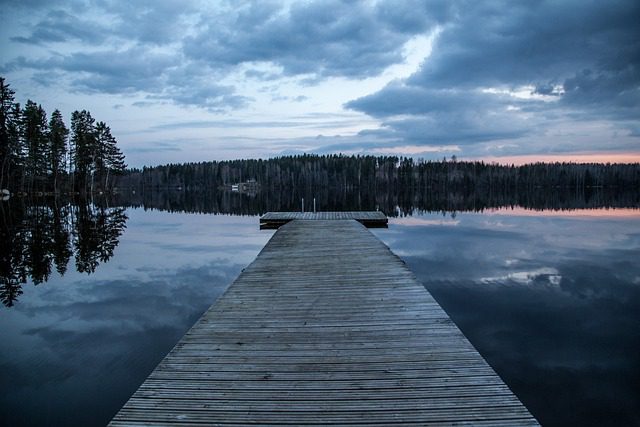
Most people’s mental image of Lapland is white. Snow, reindeer, dark afternoons, the blue-grey light of polar winter. Summer Lapland is the exact opposite — and the contrast is genuinely startling the first time you see it.
What you actually see arriving in June or July
- Green, everywhere. The birch and pine forests that look skeletal in February are dense and luminous. The landscape is Arctic Europe’s most extravagant version of summer — short season, maximum effort.
- The Ounasjoki river, open and alive. In winter it’s a frozen corridor. In summer it’s one of the most beautiful paddling rivers in Finland, wide and clear and lined with birch trees.
- The sun at midnight. If you arrive between June 6 and July 6, the sun does not set in Rovaniemi. At midnight, it hovers above the northern horizon, casting that long copper light that makes everything look like a dream sequence.
- Reindeer grazing loose. They’re not in harnesses — they’re wandering the forests and crossing roads at their own pace. You see them more often than in winter, and the experience is quieter and stranger and more genuinely wild.
- The city behaving like a real city. In winter, Rovaniemi is braced for tourists. In summer, it’s a Finnish city on its own time — people cycling, swimming in the river, having sauna evenings, sitting in parks at 10 pm in shirtsleeves because it’s still 20°C and the sun is still up.
None of this is a performance. It’s just what the place is, when the snow is gone.
The midnight sun: the real reason to come in summer
We can talk about hiking and sauna and canoeing, and we will. But if there’s one thing that makes a summer Lapland trip unmissable, it’s this: 24-hour daylight, and the specific quality of light it produces.
What the midnight sun actually does to a place
If you only do one thing in Lapland in summer, set an alarm for 11:45 pm, walk to the nearest riverbank or open fell, and watch what happens to the sky. The sun arcs low across the northern horizon, casting shadows twice as long as any human you’ve seen, and the water and the trees go the colour of heated copper. It lasts all night. Most visitors sleep through it once and then spend the rest of the trip awake at midnight by choice.
Hotels in Rovaniemi all have blackout curtains. Cottages and Airbnbs vary. A good sleep mask is the single most important piece of packing advice we can give for a summer Lapland trip — more important than mosquito repellent (though bring that too). Without one, your body genuinely does not know it’s supposed to sleep, because it isn’t dark. Ever.
In Rovaniemi, the sun stays above the horizon continuously from roughly June 6 to July 6. Before and after this window, there are very short “twilight nights” (the sun dips just below the horizon for an hour or two but never gets dark). For the full never-sets experience, plan to be here in mid-June. For the best balance of midnight sun and comfortable temperatures, late June through mid-July is ideal.
Almost everyone who visits in summer finds their sleep schedule drifting two to three hours later within a couple of days. You start eating dinner at 8 pm, walking at 11 pm, sleeping at 2 am, waking at 10 am. This is not jet lag — it’s just your body adjusting to living in perpetual day. Embrace it. The midnight hours in Finnish Lapland in summer are extraordinary.
Ready to book? We wrote a step-by-step planning guide covering flights, accommodation, activities, and the insider details that most travel articles skip: How to Plan a Summer Trip to Lapland (Step-by-Step from Locals) →
The summer Lapland planning checklist
Beyond the midnight sun experience, summer Lapland is genuinely packed with things that can’t be done in winter. Here is what we’d include on any summer trip from Rovaniemi:
- Midnight sun walk or canoe: Non-negotiable. Walk the Ounasvaara hill, paddle a stretch of the Ounasjoki, or simply sit on a rock by the river. Midnight in June in Rovaniemi is one of the most beautiful things we’ve experienced in 25 countries of travel.
- Oulanka National Park: Finland’s most dramatic national park, about 120 km south of Rovaniemi. The Karhunkierros (Bear Trail) has day-hike sections that are doable without camping gear. The Oulanka river canyon is genuinely impressive. Book in advance for July.
- Lakeside sauna: Sauna culture is at its most authentic in summer. A wood-burning smoke sauna on a lakeside in June or July, with the option to jump into cool water and sit in the sun on the dock at midnight, is the Finnish experience most visitors remember longest.
- Canoeing or kayaking the Ounasjoki: Rovaniemi sits at the confluence of two large rivers. Both are calm, beautiful, and easy to paddle without experience. Several local operators rent kayaks and canoes by the hour or day.
- Reindeer farm visit: These run year-round but summer visits have a different character — calves, green pastures, the reindeer without their winter coats. It’s less photogenic than a winter sled ride but more educational and, we’d argue, more interesting.
- Berry picking in the fells: From mid-August onwards, the fells around Rovaniemi produce cloudberries (lakka), blueberries, and lingonberries in abundance. Picking is open to everyone under Finnish law (Everyman’s Rights). It’s quiet, meditative, and deeply local.
- Pyhä-Luosto National Park: About 110 km south of Rovaniemi, this national park offers fell hiking, summer huts, and landscapes that look genuinely different from the forested river valleys around the city.
- Evening at the city beach: Yes, Rovaniemi has a city beach. In July, locals swim in the river and sit on the grass until late evening in warm temperatures. It’s the most un-touristy version of the city you’ll see.
Get our best travel tips in your inbox
Monthly stories from Rovaniemi — Arctic tips, packing lists, and the places we keep coming back to.