Best Camping Spots in Finland, Sweden, and Norway — A Local’s Honest Guide
We’ve driven thousands of kilometres across the Nordics with a tent and a rooftop setup. Here are the camping spots we actually return to — from Finnish lakeshores to Norwegian fjord banks — and everything you need to know before you go.
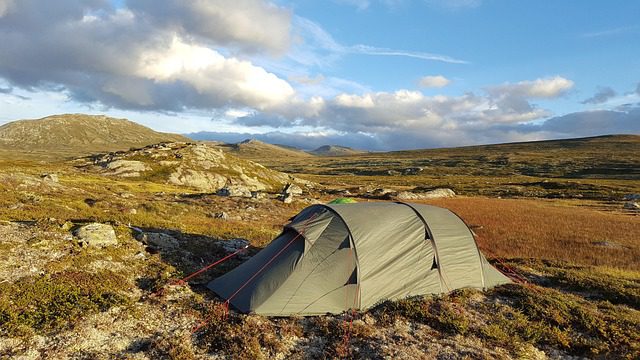
We’ve been camping across the Nordics for years — weekend trips from Rovaniemi down to Finnish lake country, longer road trips through Swedish forests to the Norwegian coast, and the occasional spontaneous pull-off on a gravel track somewhere near a fjord that had no name on any map. The best camping in Finland, Sweden, and Norway is not hard to find. The trick is knowing which spots are worth the detour, which campsites are genuinely useful versus just convenient, and how the allemansrätten — the Nordic right to roam — actually works in each country.
This is the guide we wish we’d had before our first cross-Scandinavia drive. We’re not writing from a campsite directory. We’re writing from a decade of nights under Nordic skies.
The best camping in the Nordics combines Finland’s lake district (Saimaa, Oulanka, Lapland), Sweden’s west coast and Lapland (Bohuslän, Abisko, Sarek), and Norway’s fjord and arctic regions (Lofoten, Geirangerfjord, Jotunheimen). All three countries allow free camping on uncultivated land under everyman’s right — but the rules differ, and the best spots reward a little local knowledge.
How free camping works in Finland, Sweden, and Norway
Before we get to specific spots, this is the part most guides skip or get wrong. The everyman’s right — jokamiehenoikeus in Finnish, allemansrätten in Swedish, allemannsretten in Norwegian — grants anyone the right to camp on uncultivated land. But “anyone” and “anywhere” are not the same thing in each country.
The rules in plain language
- Finland: You may camp on any uncultivated land for up to 2 nights in the same spot without the landowner’s permission, provided you stay 150 metres from the nearest dwelling. National parks have their own designated fire areas and camping zones — follow the park rules.
- Sweden: Allemansrätten is arguably the most permissive in the region. You can camp on any unfenced, uncultivated land for 1–2 nights. The rule of thumb: if you can’t see the nearest house, you’re probably fine. Campfires require extra caution — check daily fire bans on the Swedish Civil Contingencies Agency website.
- Norway: You may camp on uncultivated land more than 150 metres from inhabited houses or cabins. Above the treeline, you can stay longer. Below the treeline, move on after 2 nights unless you have landowner permission. Littering or leaving fire traces is a strict no.
Best camping spots in Finland
Finland has 188,000 lakes, roughly 300,000 kilometres of forest roads, and some of the quietest camping in Europe. We’ve camped in Lapland in late August when the birch trees turned gold overnight, and on the shores of Saimaa in June when the sun barely dipped below the horizon. Here are the spots we keep returning to.
Lake Saimaa and the Finnish Lakeland
- Linnansaari National Park (Rantasalmi): A lake archipelago with designated free camping on several islands. Rent a kayak in Oravi and paddle to your own island. This is as quietly spectacular as Finland gets.
- Kolovesi National Park: More remote than Linnansaari, strict access rules protect the area — but that’s exactly why it’s worth it. Saimaa ringed seals live here. Camp on permitted islands only.
- Punkaharju ridge (South Saimaa): One of the most famous landscapes in Finland — a narrow esker ridge between two lakes. Camp at the state campsite in the national landscape area, or wild camp on the forest edges nearby.
Oulanka and Finnish Lapland
- Oulanka National Park (Kuusamo): The Bear’s Trail (Karhunkierros) is the most famous hiking route in Finland. Designated camping huts and fire sites along the route make this accessible even without a full wild camping kit. Book the huts in advance in summer.
- Saariselkä fell area (Lapland): Above the treeline, open for multi-day camping. The Urho Kekkonen National Park surrounding it has marked routes and wilderness huts. In August, the berry season is in full swing and the fell colours are extraordinary.
- Lemmenjoki National Park: Finland’s largest national park — and genuinely remote. Old gold-panning sites along the river. Canoe in, camp along the bank, see almost nobody. This is the kind of place that resets something in you.
Best camping spots in Sweden
Sweden’s camping scene splits neatly between the wild north and the more accessible but still beautiful south and west coast. We’ve driven the Inlandsvägen through central Sweden and camped by quiet lakes with no other tents in sight for days at a stretch.
Swedish Lapland and the north
- Abisko National Park: The gateway to the Kungsleden trail and arguably the best location in Sweden for aurora camping in winter and midnight sun hiking in summer. The STF mountain station at Abisko is a useful base; free camping is permitted outside designated zones.
- Sarek National Park: No marked trails, no bridges, no facilities. This is serious wilderness — we haven’t done the full traverse ourselves, but we’ve skirted the edges from Kvikkjokk. For experienced campers only.
- Padjelanta National Park: More accessible than Sarek, with a well-marked trail system. The Padjelantaleden trail passes through Sami reindeer country and is stunning from July to September.
Bohuslän coast and southern Sweden
- Bohuslän archipelago (west coast): Rocky granite islands, summer wildflowers, and accessible by kayak from Gothenburg. Free camping on many of the outer islands. The light here in late June is extraordinary — warm golden hours that seem to last forever.
- Tyresta National Park (near Stockholm): The easiest wild camping from Stockholm — ancient forest, lakes, and old-growth pines. A reminder that the Nordics’ best camping isn’t always a plane flight away.
Best camping spots in Norway
Norway is where the drama is. The fjords, the coast, the fells above the treeline — Norwegian camping rewards effort with scenery that still stops us mid-sentence. We’ve camped in Lofoten in early July with the midnight sun setting our tent orange at 1 am, and on the shores of the Hardangerfjord in September with the orchard country turning amber around us.
Lofoten Islands
- Kvalvika beach (Moskenesøya): A 2-hour hike from the road brings you to a white-sand beach ringed by dramatic peaks. Wild camping is permitted and common. One of the most photographed camping spots in Norway — go on a weekday if you want space.
- Ramberg beach and Flakstad: Accessible by car, with a campsite nearby and wild spots further along the coast. The combination of turquoise water and sharp peaks still looks unreal to us, even after multiple visits.
- Skagsanden and the drive along E10: The main road through Lofoten passes a series of pull-offs with fjord and mountain views. We’ve done multi-night rooftop tent stops here without needing a formal campsite.
Fjords and western Norway
- Geirangerfjord (Møre og Romsdal): The classic Norwegian fjord — and deservedly so. Camp above the fjord on the mountain road for views that look like a painting. The village itself is small; the landscape around it is enormous.
- Jotunheimen National Park: Home to Norway’s highest peaks (Galdhøpiggen and Glittertind). Camping along the mountain trails is outstanding in July–August. The Besseggen ridge hike is one of Norway’s most popular — arrive early or camp the night before.
- Hardangerfjord (Ullensvang area): Less touristy than Geiranger, and arguably more beautiful in September when the apple orchards along the fjord shore are in harvest season. Several quiet wild spots along the southern shore.
Nordic camping routes, seasonal guides, and honest trip reports
No algorithm. Just the roads we actually drive and the spots we actually camp at — delivered to your inbox from Finnish Lapland.
Tips for camping the Nordics without a car
We’re car campers ourselves, but we know plenty of people who’ve done brilliant Nordic camping by bus, train, and ferry. Here’s what actually works.
- Finland: Trains reach Rovaniemi, Oulu, and Tampere easily. From those hubs, local buses or taxis get you to national park trailheads. Oulanka and Urho Kekkonen are both reachable without a car, though with more planning.
- Sweden: The Kungsleden is set up for non-car visitors — fly into Kiruna or Gällivare and connect by bus to Abisko. The Bohuslän coast is reachable from Gothenburg by commuter ferry to the outer islands.
- Norway: Lofoten is accessible by bus from Narvik or by the Hurtigruten coastal ferry. Jotunheimen is reachable from Oslo or Bergen by bus in summer. Norway’s Nettbuss and Flixbus cover more routes than most visitors expect.
- Gear logistics: If you’re flying in, renting sleeping gear in major cities is increasingly possible. Oslo, Stockholm, and Helsinki all have outdoor gear rental shops — search for friluftsliv (outdoor life) rental services.
- Ferry crossings: The Helsinki–Stockholm–Bergen route via ferry lets you sleep on board and arrive rested. We’ve used the Tallink and Viking Line ferries as an overnight camp in themselves.
Gear and practical prep for Nordic camping
Nordic camping is genuinely weather-variable. We’ve had August nights in Lapland drop to 3°C and September mornings in Norway that felt like October. Here’s what we don’t leave home without.
- A 3-season tent minimum. Nordic summers can turn wet and windy fast. A freestanding tent with a good rain fly is not optional — it’s the baseline.
- A sleeping bag rated to at least 0°C. Even in July in Lapland, nights can be cold. In September or October, go colder.
- Insect protection. Finnish and Swedish lakeside camping in June and July involves mosquitoes. A head net and DEET-based repellent are non-negotiable in the lakeland and fell regions.
- A compact camp stove and gas canister. Open fires are restricted or banned during dry periods — check daily fire bans on local emergency services websites. A simple MSR or Primus stove solves this entirely.
- Offline maps. Phone signal in Norwegian fjords and Finnish national parks is patchy. Download offline maps in Maps.me or OsmAnd before you go. We use Mapy.cz for detailed trail overlays.
- A water filter or purification tablets. Nordic wilderness water is generally clean, but filtering from lakes and streams is smart practice. Sawyer Squeeze or Katadyn BeFree are what we carry.
- Bear spray (Norway and Sweden, not Finland). Brown bears exist in Sweden and parts of Norway. The risk is low, but if you’re going deep into Sarek or northern Sweden, research the current guidelines.
- Cash or contactless for campsite fees. Official campsites across all three countries now largely accept card, but rural sites sometimes still want cash. Keep a small amount in local currency.
Mistakes we made on our first Nordic camping trips
Some of these cost us comfort. A couple cost us sleep. One very nearly cost us a tent.
- Underestimating summer cold. Our first August in Lapland we packed a 10°C sleeping bag. We were cold by midnight and miserable by 4 am. A 3-season bag is not over-packing for Nordic summers.
- Ignoring fire bans. Sweden had a dry summer one year and fire bans were in effect across large areas. We arrived at our planned site expecting a campfire evening and had to cook on the stove instead. Always check the day before.
- Parking at a trailhead and assuming the campsite would be obvious. At Jotunheimen we parked at Gjendesheim and walked straight into a marked zone without noticing the camping restriction signs. In Norwegian, naturally. Learn the basic camping restriction signage before you go.
- Not bringing a repair kit. A small tent pole repair sleeve and a patch for the tent floor have saved two separate trips. Nordic terrain is rough on gear.
- Camping directly on a lakeshore in Finland. Mosquitoes concentrate near water at dusk. Even 50–100 metres back from the shoreline makes a significant difference in the number of bites per hour.
- Trusting the weather app too literally. Norwegian mountain weather changes faster than any app predicts. We’ve been caught in sideways rain that was forecast as “partly cloudy.” Pack for the worst and enjoy the rest.
Frequently asked questions
Is free camping legal in Finland, Sweden, and Norway?
Yes, all three countries have everyman’s right — the legal permission to camp on uncultivated land for 1–2 nights without the landowner’s permission. The specific rules differ slightly in each country (distance from dwellings, campfire rules, national park zones), so read the rules for each country before you go. Denmark is the exception in the Nordics: free camping is largely not permitted there.
What is the best time of year for camping in the Nordics?
Late June to mid-September is the main season. July is peak: long days, warmest temperatures, most accessible roads and trailheads. August is our personal favourite — slightly fewer tourists, spectacular light, and berries everywhere. September starts to get cold but the autumn colours (particularly in Finnish and Swedish Lapland) are extraordinary.
Do I need a permit to camp in Nordic national parks?
It depends on the park and country. In Finland, most national parks have designated camping areas and fire sites — you don’t need a permit but you should use marked zones. In Sweden, camping outside designated areas is often fine under allemansrätten. In Norway, some popular parks (like near Trolltunga or Preikestolen) have introduced regulations to manage crowds. Always check the specific national park website before arriving.
How do I deal with mosquitoes while camping in Finland and Sweden?
Mosquitoes are worst near water in June and July. Camp slightly back from the lakeshore, use a head net when hiking through boggy terrain, and apply DEET-based repellent generously. A tent with good mesh is essential — Nordic mosquitoes are persistent. The good news: by late August they drop off significantly.
Is Lofoten good for camping beginners?
Yes, with some caveats. Lofoten has both formal campsites (with facilities) and excellent wild camping spots. For beginners, starting at a formal site and doing day hikes to the wilder spots is sensible. Norwegian weather changes fast — the dramatic fjord scenery comes with real mountain weather, and beginners should have solid rain gear and a good tent before going fully wild.
Can I camp in the Nordics without a car?
Absolutely. Finland’s national parks are reachable by train and bus from Helsinki, Oulu, and Rovaniemi. Abisko in Sweden is accessible from Kiruna by bus. Lofoten in Norway is served by the Hurtigruten ferry and regional buses from Narvik. It takes more planning, but car-free Nordic camping is completely viable — and some of the best access is actually by boat or kayak rather than road.
Joona & Alla
A Finnish-Ukrainian couple living in Rovaniemi, Finland. Joona is a marketing professional in Lapland tourism; Alla is an AI Engineer. Together we’ve visited 21 countries and share honest, locally-grounded travel writing from our home in the Arctic.
Read our full story →