Weather in the Faroe Islands: A Reality Check
The Faroe Islands weather reputation precedes itself: four seasons in one hour, horizontal rain, fog that swallows whole mountains. We lived it across five days in May. Here is what it actually means for your trip — and why most of the warnings online overstate the case.
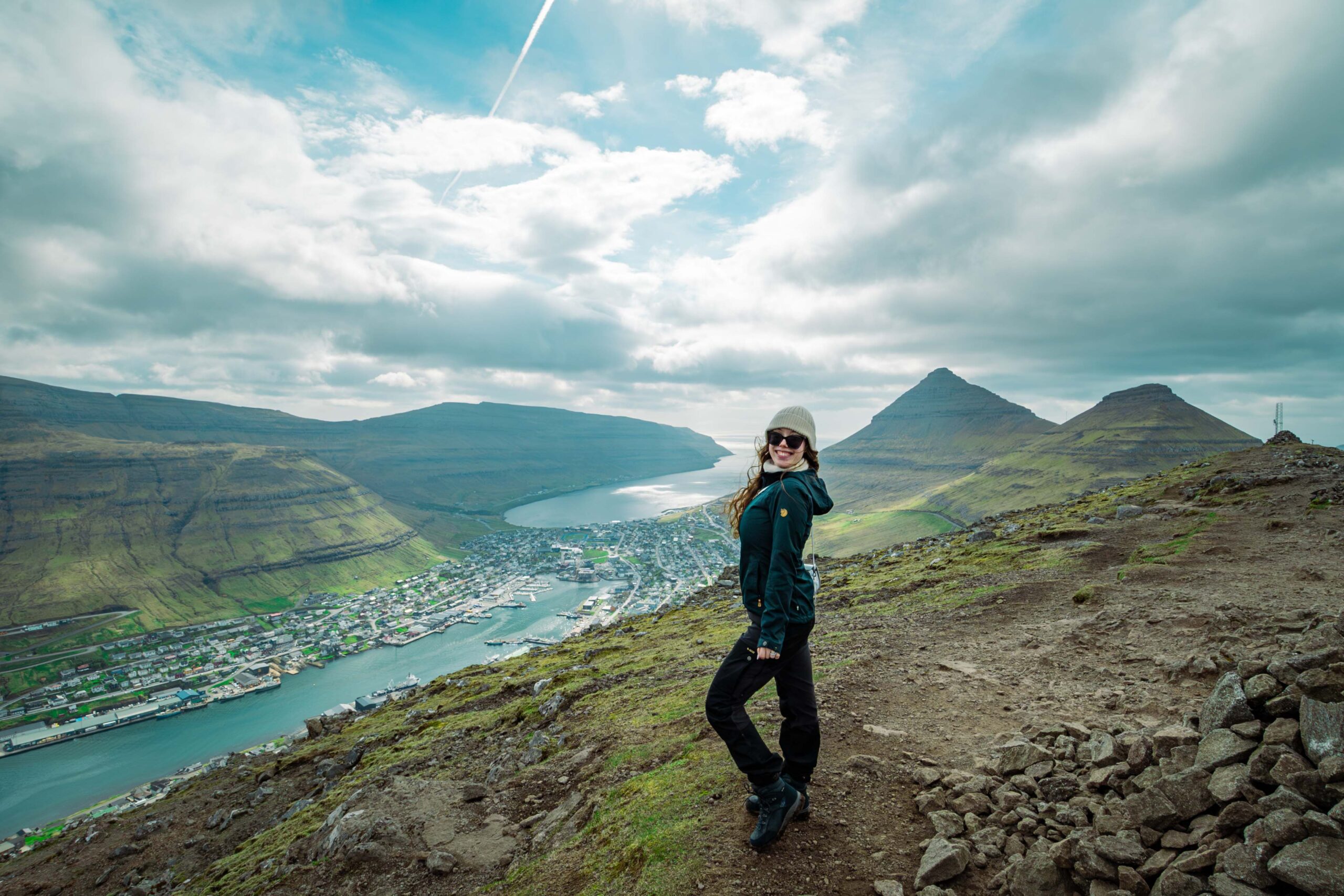
We are from Rovaniemi. Arctic winters, white-out snowstorms, temperatures that drop to −30°C in January — we are not people who worry about weather. We read the Faroe Islands weather warnings before our trip anyway, because everyone writes them, and by the time we landed at Vágar airport we had convinced ourselves we were walking into something genuinely difficult.
We were not. The Faroe Islands weather is dramatic, changeable, and occasionally uncomfortable. It is also not a reason to delay your trip, pack badly, or stay indoors. This is the honest account of what Faroe Islands weather is actually like — month by month, day by day, and in the moment when the fog rolls in and you have been standing outside for twenty minutes waiting for it to lift.
Faroe Islands weather changes fast and forecasts are unreliable beyond 24 hours — expect sun, rain, and wind on the same day at any time of year. The best months to visit are May through August, when temperatures reach 10–16°C and daylight is long. The weather rarely cancels plans entirely; it changes them. Layer up, stay flexible, and you will be fine.
What Faroe Islands weather is actually like
The Faroe Islands sit in the North Atlantic between Norway, Iceland, and Scotland — roughly 300 km from each. The ocean surrounds them on all sides, and the islands are small enough that no point is more than 5 km from the sea. That geography explains everything. There is nothing to block the weather. It arrives directly from whatever the Atlantic is doing that day.
The result is a climate that meteorologists call oceanic, which in practice means mild, wet, and very changeable. The temperature in summer rarely exceeds 16°C and in winter rarely drops below 3°C — the ocean moderates both extremes. Rain falls on roughly 280 days per year. Wind is constant at low levels and occasionally extreme.
The four things that define Faroese weather
- Speed of change: a clear sky and heavy rain can be 40 minutes apart. Not metaphorically — literally. On our second day a bank of fog rolled in from the northwest while we were hiking and reduced visibility to about 15 metres within half an hour. By the time we reached the car it had passed. We drove back into sunshine.
- Wind: the average wind speed at Vágar airport is around 7 m/s, which is enough to make a 12°C day feel significantly colder. On exposed headlands and cliff edges, wind speeds can reach gale force without much warning. We were nearly knocked sideways at the top of Enniberg. This is not hyperbole.
- Fog: low cloud and sea fog are common, especially in the morning and especially from May through August when warmer air meets cold Atlantic water. The fog can sit in the valleys while the hilltops are clear, or vice versa. On the famous Lake Sørvágsvatn viewpoint (the “lake above the ocean” optical illusion), we waited 35 minutes in dense fog, then had 15 minutes of clear visibility before it returned.
- Rain: the rain is often horizontal. A standard umbrella is useless. What you need is a waterproof jacket that seals at the cuffs and a hood that can be cinched. The rain comes in bursts rather than continuous downpours — most wet periods last under an hour.
Month-by-month breakdown
The Faroe Islands do not have dramatic seasonal extremes, but there are meaningful differences across the year that affect how you experience the islands. We visited in May and have spoken to other travellers across different months — here is what we have pieced together.
Spring: March, April, May
- March–April: temperatures averaging 6–9°C, long periods of grey overcast, significant wind. The islands are quiet — some guesthouses not yet open, ferry schedules running winter timetables. Dramatic light when the sun does appear. Not ideal for a first visit but excellent for photography.
- May: our month. Temperatures 10–14°C, daylight expanding rapidly toward the summer solstice, early wildflowers on the hillsides. The islands are beginning to wake up but crowds are minimal. Puffins arrive on Mykines at the end of April and are established by mid-May. We found May to be the best balance of conditions and visitor numbers.
Summer: June, July, August
- June: the best weather month by most measures — temperatures reaching 13–16°C, long daylight (nearly 20 hours near the solstice), the highest probability of clear spells. Puffin season is at its peak on Mykines. This is also the busiest month; Sørvágsvatn and Gásadalur see significant visitor numbers.
- July: still warm, more overcast than June on average, the highest tourist volume of the year. Accommodation needs to be booked well in advance. The light in the evenings is remarkable — golden hour lasts for two to three hours.
- August: temperatures beginning to drop toward 12°C by the end of the month, visitor numbers falling after the first week. A good shoulder option if you missed June.
Autumn and winter: September through February
- September–October: dramatic storm light, very few tourists, some of the best photographic conditions of the year. Cold (8–10°C) and wet. Some hiking routes become slippery. Good if you know what you are getting into.
- November–February: short days, frequent storms, some roads temporarily closed. The Northern Lights are visible from the Faroes in winter — this is an underrated reason to visit off-season. Not recommended for a first visit.
Quick-reference packing checklist for Faroe Islands weather
This is the list we wish we had before we packed. It is based on five days in May and accounts for all four seasons appearing in a single afternoon.
Waterproof jacket rated to at least 10,000mm hydrostatic head. Hood with drawstring. Taped seams. This is non-negotiable — a fleece with a shower-resistant outer is not enough.
Merino wool or fleece mid layer. Merino is preferable because it stays warm when wet and does not smell after repeated wear. Bring two.
Moisture-wicking synthetic or merino base. Do not wear cotton against the skin in the Faroe Islands — wet cotton is a fast route to misery.
Waterproof trousers or hiking trousers with DWR (Durable Water Repellent) treatment. Jeans are useless once wet and take 24 hours to dry. Pack one pair of waterproofs even if you do not plan to hike.
Waterproof hiking boots with ankle support. Trail runners work on dry marked paths; on wet grass-covered basalt they are genuinely dangerous. We brought trail runners and regretted it on three out of five days.
Buff or neck gaiter (essential for wind). Thin liner gloves. Sunscreen (UV is high on clear days, especially at elevation). A dry bag or waterproof phone case — the rain comes without warning.
Umbrella (useless in Faroese wind), heavy down jacket (too warm and loses insulation when wet), leather shoes, denim jeans as your primary leg covering.
Stories from the edge of Europe, direct to your inbox
We write about the places that still feel remote. No fluff, no sponsored filler — just honest travel from Joona & Alla.
Weather warnings — what to take seriously
There is a difference between Faroese weather that is uncomfortable and Faroese weather that is actually dangerous. Most tourists only ever encounter the first category. Here is how to tell them apart.
- Orange and red weather warnings: the Faroese Met Office (Landsverk) issues colour-coded warnings for wind and precipitation. Orange means prepare to change plans. Red means do not drive on exposed roads and do not approach cliff edges. Check landsverk.fo before each driving day — the warnings are updated frequently and are accurate within 6-hour windows.
- Wind on cliff edges: the Faroe Islands have cliffs with no guardrails. Wind gusts on exposed headlands can exceed 25 m/s without warning. This is not scenery to approach casually. If the wind is strong in a valley, it will be significantly stronger at the cliff top. Trust your body — if you feel genuinely unstable, step back.
- Mountain fog while hiking: fog in the Faroes can reduce visibility to 5 metres. If you are hiking an unmarked route and fog rolls in, stop, use your phone GPS, and wait. Do not push on across terrain you cannot see — the hillsides are steep and the drops are real.
- Road closures: in severe weather, mountain roads and the road to Gásadalur are sometimes closed. Landsverk posts road closure information on the same site as weather warnings. Check it in winter and in autumn.
- Ferry cancellations: the ferry to Mykines (puffin island) is the most frequently cancelled route due to wind and wave conditions. In peak season, roughly 30% of scheduled Mykines departures are cancelled or shortened. Book with this in mind — if Mykines is your main reason for the trip, give yourself at least two or three scheduled departure attempts.
How Faroe Islands weather compares to Iceland and Norway
We have been to Iceland and driven parts of Norway — both countries that also get described as having extreme or unpredictable weather. The comparison is useful for calibrating expectations.
- Vs Iceland: the Faroe Islands are wetter but milder. Iceland has more dramatic temperature swings — it can be −10°C in highland areas in June. The Faroes never get that cold. Iceland has more sunshine in the summer interior; the Faroes have more persistent cloud. If you have travelled Iceland without weather problems, the Faroes will feel familiar.
- Vs Norway (coastal): similar overall. The Norwegian coast around Bergen and the fjords is wet and changeable in the same way. The Faroes have higher average wind speeds. Both places reward the same approach: flexible itinerary, good waterproofs, willingness to sit in a café for an hour and wait for the next weather window.
- Vs Lapland (Finland, our home): completely different. Lapland weather is extreme but predictable — you know in October that January will be −20°C. The Faroes are mild but unpredictable. Psychologically, Lapland’s certainty is easier to prepare for. The Faroes require a different mindset: you cannot plan around the weather, only plan with it.
- The key difference: in Iceland, bad weather is often about temperature and road safety (F-roads close). In the Faroes, bad weather is mostly about visibility and wind. The infrastructure handles rain well. The issue is not whether you can drive — it is whether you can see anything when you get there.
Mistakes we made because of the weather
- We over-packed for cold. We brought heavy down jackets because the word “Arctic” was stuck in our heads from reading about the Faroes. They stayed in the bag every day. 10–14°C with wind chill is handled better by layering than by heavy insulation.
- We did not check the forecast the morning of the Sørvágsvatn hike. The conditions were fine when we drove there. By the time we reached the viewpoint, the fog had arrived. We waited — patiently, but we had not brought snacks or extra layers for a long wait. Bring both.
- We trusted an afternoon weather window on Day 4 and drove to Gásadalur at 4 pm. The weather was clear. By the time we walked to the viewpoint it had closed in again. If the weather clears and a location is on your list, go immediately. Do not wait for “the perfect light later.”
- We wore trail runners for the first two days. The grass-covered basalt near Enniberg was wet. I (Joona) slipped twice. Alla slipped once. Nobody was hurt, but proper hiking boots with ankle support would have eliminated the anxiety entirely.
- We did not pack a dry bag for the camera. Day 3, horizontal rain, the camera bag got wet through the zips. The camera was fine, the lens filter was not. Pack your electronics in dry bags or waterproof compartments, not just in a camera bag.
- We planned too many cliff-edge viewpoints on a single windy day. After two hours of walking into 15 m/s headwinds, physical fatigue set in before we reached the last viewpoint. Wind is exhausting in a way that warm-weather hiking is not. Build in rest time on high-wind days.
Frequently asked questions
What is the best month to visit the Faroe Islands for weather?
June has the highest probability of clear spells and the longest daylight hours — roughly 20 hours near the solstice. May is a close second with fewer tourists and puffins already on Mykines. July and August are warmer but cloudier on average. If you have one window and want the best odds of good weather, book June.
Does it rain every day in the Faroe Islands?
Statistically, yes — Tórshavn records precipitation on roughly 280 days per year. But “precipitation” includes light drizzle and brief showers. A full-day washout where outdoor activities are genuinely impossible is much less common, maybe 3–5 days per summer month. Most days involve some rain and some dry windows. Flexibility matters more than luck.
How cold does it get in summer in the Faroe Islands?
Temperatures in June, July, and August typically range from 10°C to 16°C. Wind chill can make it feel colder, especially on exposed headlands and cliff paths. Dress for 8°C with wind as a baseline and you will be comfortable. You will not need a heavy winter coat; you will need a proper waterproof shell and a mid layer.
Can you visit the Faroe Islands in winter?
Yes, but it requires accepting the conditions. Days are short (5–6 hours of daylight in December), storms are frequent, and some hiking routes are inaccessible. The reward is near-certainty of Northern Lights on clear nights, almost no other tourists, and dramatic storm photography. We have not been in winter, but people who have report it as a completely different experience — quieter and more intense in equal measure.
Is the Mykines ferry affected by weather?
Yes, frequently. The Mykines route operates between Sørvágur and Mykines harbour, and the exposed Atlantic approach means the ferry is cancelled in winds above a certain threshold — roughly 1 in 3 departures in peak season. Helicopter service also runs but has similar weather constraints. If Mykines and the puffins are a priority, build in two or three scheduled departure attempts across your trip. Do not plan it as a single-shot day.
What weather app or forecast source is most accurate for the Faroe Islands?
Yr.no (the Norwegian Meteorological Institute’s service) is more accurate for the Faroes than international apps like Weather.com or AccuWeather. Landsverk.fo issues official Faroese road and weather warnings. For planning purposes, the 24-hour forecast is reasonably reliable; the 72-hour forecast gives a general direction only. Do not plan a full day around a 5-day forecast — check the evening before and again on the morning.
A final word from Rovaniemi — on weather that keeps you honest
We have a saying in Finnish that roughly translates as: there is no bad weather, only bad clothing. The Faroe Islands test that saying more than most places. But it holds.
The weather in the Faroes is not something to defeat or to schedule around — it is a presence in the trip, a factor in every decision, and ultimately part of what makes the place feel like itself. The cliffs are more dramatic when the light breaks through fog. The waterfalls look more powerful when the wind is pushing the mist sideways. The café in Tórshavn is warmer because outside is genuinely cold.
We came from Rovaniemi, where we have stood in −30°C darkness for months on end. Five days of North Atlantic weather was not hardship. It was a different kind of conversation with a place — one that required us to pay attention, stay flexible, and wait for the moments that the weather decided to give us.
The forecast the morning we left was grey and overcast with 70% chance of rain. By the time our plane lifted off Vágar, the western islands were lit in gold. We watched them until they disappeared beneath the clouds.
If you are planning a trip and want advice on what to pack or which month works best for your specific plans, drop a question in the comments — we have notes, and we check them.
Joona & Alla
A Finnish-Ukrainian couple living in Rovaniemi, Finland. Joona is a marketing professional in Lapland tourism; Alla is an AI engineer. Together we have visited 21 countries and write honestly about what it is actually like to travel them.
Read our full story →