Copenhagen Harbor Swimming Guide: 5 Places Locals Actually Swim
We’ve swum in Copenhagen harbor — and it’s genuinely one of the best urban swimming experiences in Europe. Here are the five spots we’d go back to, plus everything you need to plan your own swim.
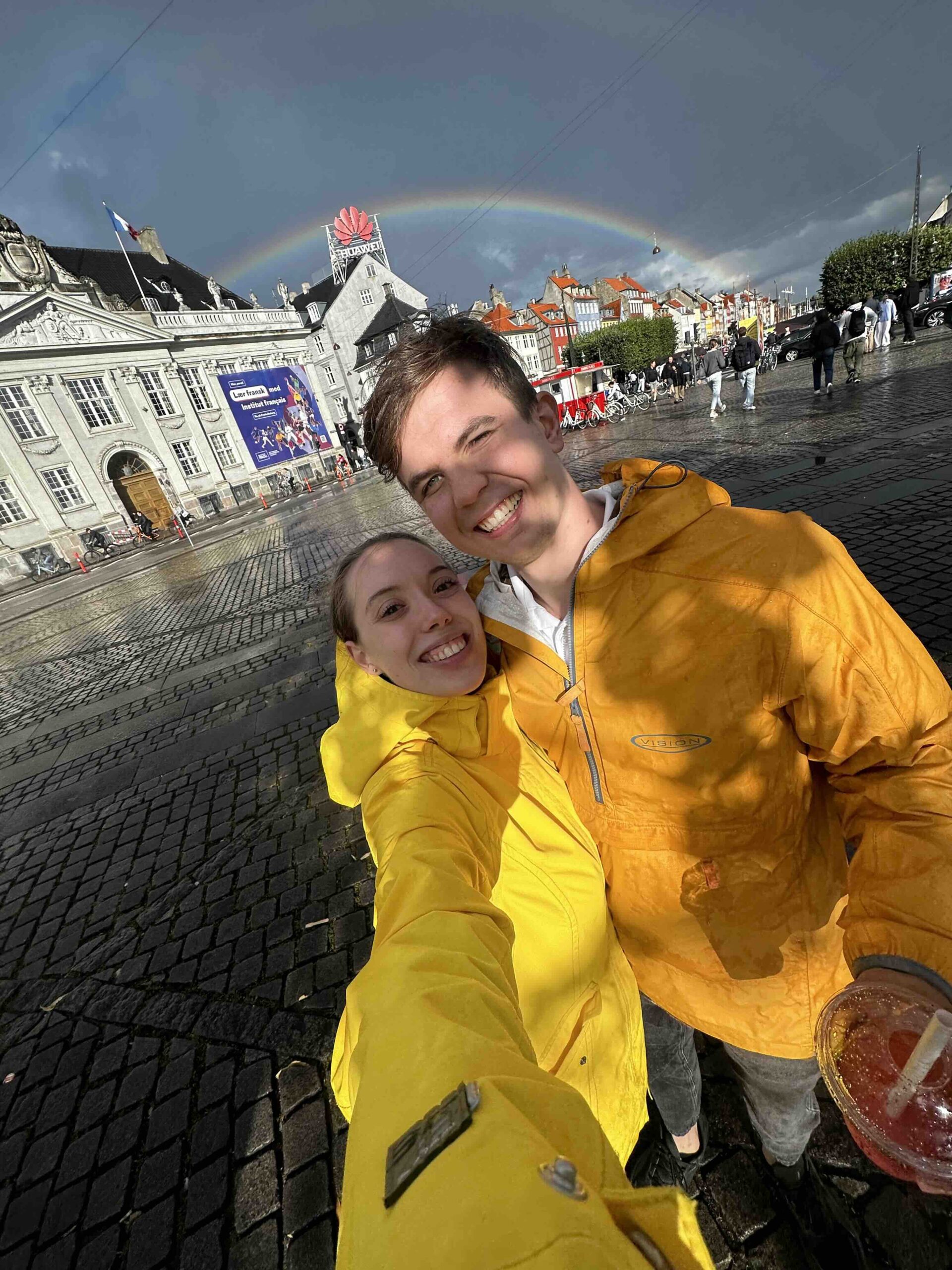
We were not expecting to swim in Copenhagen. It started as curiosity — we’d heard about harbor baths and assumed they were a novelty, the kind of thing travel blogs mention but nobody actually does. Then we got there in July, saw the line at Islands Brygge, and jumped in. By the end of our trip we’d found four more spots. Copenhagen harbor swimming is the real deal.
The harbor here is clean enough to swim in — officially — and has been since the early 2000s when the city spent two decades cleaning up industrial runoff. What you get today is a network of harbor baths, open-air pools fed by harbor water, and a swimming culture that locals take seriously. This guide covers the five places we actually used.
Copenhagen harbor swimming is genuinely excellent in summer. The best spots are Islands Brygge Havnebad (the iconic one), Fisketorvet / Kalvebod Bølge, Sluseholmen, Amager Strandpark, and Charlotte Amalie — all open roughly June through August when water temperatures hit 18–22 °C. No wetsuit needed. No fee at most spots.
- Why Copenhagen’s harbor is actually clean
- The 5 harbor swimming spots, ranked
- Quick-reference: what to know before you go
- Best time and water temperature month-by-month
- Islands Brygge vs Kalvebod Bølge: which is better?
- Mistakes we made on our first Copenhagen swim
- Frequently asked questions
- A final word from Rovaniemi
Why Copenhagen’s harbor is actually clean enough to swim in
From industrial port to urban bathing paradise
As recently as the 1990s, swimming in Copenhagen harbor was illegal — not because of a rule, but because nobody would want to. The inner harbor was used for heavy industry and untreated sewage. Cleaning it up was a deliberate 15-year infrastructure project, and it worked. By 2002, when Islands Brygge Havnebad opened, the water met EU bathing water standards. Today it consistently scores “excellent” on Danish environmental authority tests.
What changed: combined sewer overflows were rerouted, industrial discharges were stopped, and a massive grey-water treatment project finished in the mid-2010s. The city now monitors water quality in real time and posts swim/no-swim flags at each harbour bath. On the rare days after heavy rain, some spots temporarily close — but during a normal June or July, you’ll find green flags nearly every day.
The flag system — and when to check it
- Green flag: swimming recommended. Standard on any dry week in summer.
- Yellow flag: caution, often after rainfall. Wait 24 hours before swimming.
- Red flag: no swimming. Rare, but happens after heavy storms when overflow systems are stressed.
- Where to check: badeinfo.dk posts real-time status for every official harbour bath. Bookmark it before your trip.
The 5 Copenhagen harbor swimming spots locals actually use
1. Islands Brygge Havnebad — the original and still the best
This is the one you’ve seen in photos. Five pools directly in the harbor — two for adults, two for children, one for diving — all fed by harbor water and surrounded by a floating wooden platform. It’s busy from June to August, genuinely packed on summer weekends, but that buzz is part of the appeal. Locals bring picnics, the adjacent waterfront park fills up, and it feels like the whole city decided to have the same idea at once.
The diving board section is worth a visit even if you’re not diving. There’s a small spectator element to watching people either commit to a jump or quietly climb back down. We swam here twice and both times had a good time despite the crowd.
2. Kalvebod Bølge (Fisketorvet)
A 2013 structure that doubles as an urban beach and harbour bath, just north of Fisketorvet shopping center. The architecture is striking — a wave-shaped floating platform with wooden decking, shallow wading areas, and a deeper swimming zone. Less crowded than Islands Brygge, better for people who want to actually swim lengths rather than float around in a social situation. The water is the same harbor, same quality.
3. Sluseholmen Havnebad
In the Sydhavn area, further south than most visitors go, which is exactly why we like it. Locals outnumber tourists heavily. It’s smaller than Islands Brygge, the facilities are simpler, and the atmosphere is more neighborhood-pool than tourist attraction. If you’re staying on the south side of the city or doing a day at the Docken music venue nearby, this is the one to use.
4. Amager Strandpark — the beach option
Not strictly a harbor swim — it’s an artificial beach and lagoon on the island of Amager, separated from the harbor proper. But it’s only 15 minutes by metro from the center, has 4.6 km of sandy beach, and during summer the lagoon is warm, shallow, and genuinely pleasant. If you have kids, this is likely the right choice: calmer water, sandcastle-friendly, and the metro from Nørreport runs every few minutes.
5. Charlotte Amalie — the locals’ hidden spot
A smaller, newer harbour bath in the Østerbro neighborhood that opened in the early 2020s. Far fewer tourists, much calmer vibe, excellent for a morning swim before exploring the city. It doesn’t appear on most tourist maps, which is partly why we’re including it — sometimes the best experiences are the ones where you feel like you’ve accidentally ended up somewhere genuine.
Quick-reference: everything you need to know before you swim in Copenhagen harbor
Six things to have sorted before you arrive at the water:
The real-time water quality map takes 30 seconds to check. Do it the morning of your planned swim, not at the waterfront. A red flag means no swimming — usually clears within 24–48 hours of heavy rain.
There are no rental towels at any harbour bath. The wooden decking gets hot in direct sun. A small pack towel weighs nothing and changes the experience entirely.
Weekend afternoons in July see queues. Going at 9–10 am gets you the space before the crowd arrives. The water is actually warmer in the afternoon, but the crowd peak runs 13:00–17:00.
Islands Brygge and Kalvebod Bølge are free entry. Some newer facilities (Charlotte Amalie, Sluseholmen) have been free, though check on arrival as this can change seasonally. Lockers at Islands Brygge cost a coin deposit.
The harbor bottom near entry points can have algae. Most people go barefoot, but if you’re nervous about slippery surfaces, a cheap pair of water shoes solves it. Kids especially benefit.
Islands Brygge is a 5-minute metro from Nørreport (M1/M2, Islands Brygge station). Kalvebod Bølge is walkable from Copenhagen Central Station. Amager Strandpark is on the M2 (Amager Strand station). None require a car.
Get our best travel tips in your inbox
Monthly stories from Rovaniemi — Arctic tips, packing lists, and the places we keep coming back to.
Best time and water temperature month-by-month
- May: the harbour baths typically open in late May. Water temperatures are around 12–15 °C — brisk, but manageable for a short swim. Weather can be unpredictable.
- June: water warms to 16–18 °C. Long evenings (sunset after 10 pm), crowds are building but not yet at peak. Our favorite month for swimming in Copenhagen.
- July: the busiest month. Water reaches 19–22 °C. Peak crowds at Islands Brygge. Best for families and those who want warm water.
- August: still warm, crowds thin slightly after mid-August. Water stays above 18 °C into late August. Excellent swimming weather.
- September: most harbour baths close in mid-September. Water cools rapidly. Dedicated cold-water swimmers continue at a few spots, but the official season is essentially over.
Islands Brygge vs Kalvebod Bølge: which Copenhagen harbour bath is better?
This is the question we’ve been asked most often, and the honest answer is: it depends on what you want from the experience.
- Islands Brygge Havnebad is better if: you want the iconic experience, you’re visiting with friends, you want the energy of a busy urban beach, or you’re doing a picnic afternoon in the adjacent park. It’s the classic Copenhagen harbour swim and it earns the reputation.
- Kalvebod Bølge is better if: you want to actually swim lengths, prefer a less crowded atmosphere, are staying near Central Station, or find the Islands Brygge crowd overwhelming. The wave architecture is genuinely cool and the spot is underrated by tourists.
- Both are equally good for: water quality (both flag the same harbor), ease of access by public transit, cost (free entry), and the basic Copenhagen experience of being in the water surrounded by city.
- Our verdict: Islands Brygge first visit, Kalvebod Bølge second. Both if you have the time.
3 Days in Copenhagen: A Couple’s Summer Weekend Itinerary
Planning the full trip around your harbor swim? Our three-day Copenhagen guide covers the neighborhoods, bike routes, and the other things we’d do again.
Read the full guide →Mistakes we made on our first Copenhagen harbor swim
- Not checking badeinfo.dk before leaving the hotel. We walked 25 minutes to Islands Brygge on a yellow-flag day after overnight rain. The swim was technically allowed but the water felt different. Check the flag first — it saves time and disappointment.
- Arriving at Islands Brygge at 2 pm on a Saturday. Peak crowd. The changing rooms were a queue. Next time: morning swim, or choose a weekday.
- Forgetting that the harbor floor near ladders is slippery. There’s algae. This is true everywhere. Slow down when descending the entry ladders, especially in flip-flops.
- Underestimating the sun. Open water in direct sun with no shade cover at midday is a burn risk even in Denmark. Bring sunscreen and apply it before the swim.
- Skipping Amager Strandpark because it sounded “not authentic enough.” Wrong call. The lagoon is lovely and the beach atmosphere is genuinely relaxing. Don’t be a snob about artificial beaches.
- Not pairing the swim with a coffee and pastry afterwards. Every harbour bath has at least one nearby bakery or kiosk. The ritual of a wet-hair pastry and coffee after a morning swim is one of the better things in life.
Frequently asked questions about Copenhagen harbor swimming
Is it safe to swim in Copenhagen harbor?
Yes — Copenhagen harbour consistently meets EU “excellent” bathing water standards during summer. The city cleaned up the harbour over 15 years, and monitoring is ongoing. Check the real-time flag at badeinfo.dk before you go; avoid swimming for 24 hours after heavy rain when some overflow risk exists.
When do the Copenhagen harbour baths open?
Most harbour baths open in late May or early June and close in mid-September. Islands Brygge typically runs June 1 to September 15. Exact dates vary by year — check the official Copenhagen harbour bath websites for current-season hours, which are usually posted in April.
Is harbor swimming free in Copenhagen?
Islands Brygge Havnebad and Kalvebod Bølge are free to use. Some newer facilities have a small changing-room or locker fee. Amager Strandpark is also free. Budget essentially nothing for the swim itself, though a coffee and pastry after is practically mandatory.
How warm is the water at Copenhagen harbour baths?
Water temperatures peak in July and August at 18–22 °C, which is genuinely comfortable for open-water swimming. June runs 15–18 °C — brisk but very swimmable. The first weeks of May are around 12–14 °C, suitable mainly for cold-water enthusiasts. Most people swim comfortably without a wetsuit from June onwards.
Which Copenhagen harbour bath is best for families with children?
Islands Brygge Havnebad has dedicated children’s pools that are shallower and calmer than the main swimming area — good for younger kids. For older children who want a beach experience with more space to run around, Amager Strandpark is the better option, with its long sandy beach and gentle lagoon.
Can you swim in Copenhagen harbor at night?
Some harbour baths have extended summer hours until 8–10 pm, but late-night swimming is not officially permitted at most facilities. A few cold-water swimming clubs do early-morning dips year-round, but these are organized clubs. During the official season, stick to posted hours — the long summer evenings mean you can swim well past 7 pm in peak season anyway.
A final word from Rovaniemi
We came to Copenhagen as a couple who thinks about swimming in cold water quite a lot — we live in Rovaniemi, where the river is technically swimmable in June if you’re determined. But Copenhagen harbor swimming is something different. It’s not cold-water therapy or a local quirk. It’s a genuine urban amenity that the city built and maintains, and that Copenhageners use without ceremony because it’s simply part of how the city works in summer.
The five spots in this guide are genuinely different in character. Islands Brygge is the social swim. Kalvebod is the architecture swim. Sluseholmen is the neighborhood swim. Amager Strandpark is the family swim. Charlotte Amalie is the “you found a secret” swim. Pick based on what you actually want from the experience, not on what the travel blogs rank highest.
And yes, check badeinfo.dk first.
Joona & Alla
A Finnish-Ukrainian couple living in Rovaniemi, Finland. Joona is a marketing professional in Lapland tourism; Alla is an AI Engineer. Together they’ve traveled to 25 countries across Europe and Asia — always hungry for the next experience, never just ticking off sights.
Read our full story →