3 Days in Copenhagen: A Couple’s Summer Weekend Itinerary
We spent a long summer weekend in Denmark’s capital and came back with a tighter itinerary than most guides give you — fewer museums, more canal swims, and one very good smørrebrød.
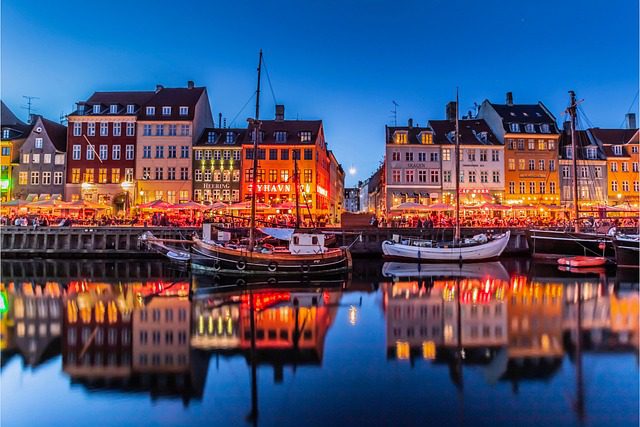
We flew into Copenhagen on a Thursday evening in June, straight from Rovaniemi. The contrast hit us immediately — instead of the pine forests and reindeer we’re used to, we had candlelit restaurants spilling onto cobblestones and a canal you could actually swim in. We had three days to make sense of it.
This is the itinerary we’d repeat — not the one that squeezes in every museum, but the one that actually made us feel like we understood the city a little.
Three days in Copenhagen is enough to feel the city’s rhythm: one day for Nørrebro and the canals, one for the harbour and Christianshavn, and one for day-tripping or slowing down. Focus on walking, eating, and swimming — not ticking off landmarks.
- How to arrive and get around
- Day 1: Nørrebro, the Lakes, and the first canal swim
- Day 2: Nyhavn, Christianshavn, and the best smørrebrød we found
- Quick-reference: addresses, apps, and logistics
- Tips and warnings from our trip
- Copenhagen vs Stockholm: which 3-day city suits you better?
- Mistakes we made (and what we’d skip)
- FAQ
How to arrive and get around Copenhagen
Copenhagen is one of the easiest European capitals to navigate without a car. The metro covers the airport, the central station, and the tourist belt in one clean loop. Add a bike rental and you have the whole city mapped.
Getting from the airport to the city
- Metro M2 runs directly from Copenhagen Airport (CPH) to the city centre in about 15 minutes, 24 hours a day. A single ticket costs around 36 DKK (roughly €5). No taxi needed for most hotels.
- Train (DSB) is the alternative if you’re heading to the central station directly — same 15-minute journey, slightly cheaper, runs very frequently.
- Rejsekort travel card is worth picking up at the airport if you plan to use the metro more than three or four times. It saves you fumbling for correct change and works on all public transport in Denmark.
Getting around the city
- Bike rental: Copenhagen’s cycling infrastructure is genuinely world-class. We rented from a local shop near Nørrebro for around 150 DKK per day and barely used public transport after that. Donkey Republic and the city’s own Bycyklen app are both solid options.
- Metro: the two lines (M1 and M2) are clean and very punctual. The Cityringen ring line (M3) covers the inner city loop well. Day passes cost around 80 DKK.
- Walking: most of the tourist highlights are within 25 minutes of each other on foot. In summer, when the light lasts until 10 pm, walking is how you actually notice things.
Day 1: Nørrebro, the Lakes, and the first canal swim
We started our Copenhagen trip the way we always start an unfamiliar city — by walking a neighbourhood that isn’t on the tourist checklist. Nørrebro delivered.
Morning: breakfast in Nørrebro
- Start at Mirabelle (Guldbergsgade) for sourdough and proper coffee. It opens early, fills up fast, and sets the tone for what Copenhagen food culture actually is about.
- Walk south along Assistens Kirkegård (the cemetery where Kierkegaard is buried) — locals use it as a park, which is one of those small things that makes Copenhagen feel very itself.
Afternoon: the Lakes (Søerne) and Tivoli decision
- The three artificial lakes that border Nørrebro to the east are a revelation in summer. Walk or bike the perimeter for about 45 minutes. The light on the water by late afternoon is very good.
- Tivoli Gardens is close by and worth one evening if you’ve never been. It’s touristy but unapologetically beautiful in summer. We went on our first evening for a drink rather than for the rides. Tickets are around 140 DKK, gardens only (no rides).
Evening: canal swim at Islands Brygge
- Islands Brygge Harbour Bath is one of Copenhagen’s best free attractions. It’s a public outdoor pool system in the harbour — entirely free, open in summer, and full of locals. The water is clean enough to swim in. After years of Finnish lake swimming, we can confirm: the vibe is different but equally good.
- Grab a beer from a kiosk nearby and watch the sunset. It doesn’t get dark until after 10 pm in June, so there’s no rush.
Day 2: Nyhavn, Christianshavn, and the best smørrebrød we found
Day two is the classic Copenhagen day — but we did it in an order that meant we hit Nyhavn at 8 am before the crowds and spent the afternoon where the locals actually are.
Morning: Nyhavn before the crowds
- Nyhavn is genuinely beautiful, but it’s also one of the most photographed spots in Scandinavia. Go early — before 9 am — and you get the coloured townhouses and the canal almost to yourself.
- A coffee to go from a bakery nearby, then walk the canal south toward the Opera House. The waterfront walk takes about 20 minutes and gives you a completely different scale of the city.
Midday: smørrebrød lunch
- Schønemann (Hauser Plads) is the real deal for traditional smørrebrød — open since 1877, booking essential, and worth every krone. Two open sandwiches with herring and roast beef came to around 300 DKK per person.
- If the budget is tighter, Torvehallerne market has a smørrebrød counter that’s excellent and about half the price.
Afternoon: Christianshavn and Freetown Christiania
- Cross the canal into Christianshavn — a quieter island neighbourhood with excellent canals, houseboats, and the kind of neighbourhood bakery that makes you briefly consider moving cities.
- Freetown Christiania is a 50-year-old semi-autonomous community on the edge of Christianshavn. Walk in, respect the no-photography signs in certain areas, and take it for what it is: a genuinely unusual place that somehow still exists in the middle of a European capital.
- In the late afternoon, rent a kayak from one of the canal outfitters in Christianshavn. An hour on the water costs around 150 DKK and gives you an entirely different angle on the city.

Quick-reference: addresses, apps, and logistics
A 3-day Copenhagen itinerary runs much smoother with a few things set up before you land.
- Rejsekort app (DOT Tickets): buy metro tickets without cash. Works for airport-city trips too. Download before you land.
- Donkey Republic or Bycyklen: bike rental apps, both available for download in advance. Bycyklen has dedicated city bikes; Donkey Republic is more flexible.
- Snapp or Too Good To Go: for cheap, high-quality food rescues from Copenhagen’s excellent restaurant scene. We used Too Good To Go for a breakfast surprise from a local bakery on day three — paid 45 DKK for what would have been 200 DKK at full price.
- Open Table or Resy: book smørrebrød lunch and any restaurant for the evening of Day 2 before you arrive. Copenhagen restaurants fill up fast in summer.
- Weather: June in Copenhagen averages 17–22 °C, but it’s genuinely unpredictable. Pack a waterproof shell layer. Even from us in Lapland, the Copenhagen summer breeze felt cool off the harbour.
- Currency: Denmark uses Danish Krone (DKK), not euros. Cards are accepted almost everywhere, but it’s worth noting the exchange rate: 1€ ≈ 7.5 DKK. Most things will feel moderately expensive by European standards but cheaper than Oslo or Helsinki in summer.
- Islands Brygge Harbour Bath hours: typically open from late May through August, 11 am to 7 pm on weekdays, longer on weekends. Check the City of Copenhagen website before you go as hours vary by season and weather.
- Emergency number: 112 for police, fire, and ambulance in Denmark. Copenhagen is very safe but knowing this costs nothing.
Get our best travel tips in your inbox
Monthly stories from Rovaniemi — Arctic tips, packing lists, and the places we keep coming back to.
Tips and warnings from our trip
- Book your smørrebrød restaurant in advance. We tried to walk into Schønemann without a reservation on a Tuesday lunchtime in June. They were full. We got lucky with a cancellation. Don’t rely on luck.
- Don’t skip Nørrebro for Vesterbro. Both are worth a morning, but Nørrebro has a slightly more local feel in summer. Vesterbro (the Meatpacking District especially) is excellent for an evening.
- Rosenborg Castle is worth the 30 minutes, not the 3 hours. Beautiful exterior, good gardens. The interior exhibits are detailed but not electrifying unless you have a specific interest in royal history. We gave it 45 minutes and felt fine about that.
- Day 3 options if you have time: Louisiana Museum of Modern Art (an hour north by train) is genuinely excellent — the coastal setting alone is worth it. Or take the 30-minute ferry to Malmö in Sweden for an effortless country-two bonus.
- Food costs add up fast. Budget around €25–35 per person per day for food if you mix restaurants with market stalls and bakeries. If you eat at sit-down restaurants for every meal, budget closer to €60.
- Copenhagen in summer is absolutely worth it. We’ve written a longer cost breakdown in our Copenhagen expensive-summer guide if you want the exact numbers.
Copenhagen vs Stockholm: which 3-day city suits you better?
We’ve done both as a quick Nordic couple’s trip and they feel genuinely different in character.
- Copenhagen is flatter, more bike-friendly, and slightly more compact. Three days here covers the city meaningfully. Stockholm is larger and spread across islands — you need a longer trip or harder prioritisation.
- Copenhagen has better food for the money. The smørrebrød tradition gives you world-class lunch at reasonable prices. Stockholm’s restaurant scene is excellent but harder to access cheaply.
- Stockholm has more day-trip variety. The archipelago is spectacular and vast. Copenhagen’s Malmö cross is fun, but the depth isn’t the same.
- Copenhagen wins on summer swimming. The harbour baths are a uniquely Danish institution. Stockholm has lake swimming, but it requires more planning.
- If you’re choosing one for a first Nordic trip: Copenhagen for a shorter visit, Stockholm for a longer one. Both are excellent.
Mistakes we made (and what we’d skip)
- We overscheduled Day 1. We tried to do Nørrebro, Tivoli, and a museum all on the same day. By 6 pm we were tired and eating from a convenience store, which is not the Copenhagen experience you want. Pick two areas per day, maximum.
- We queued for The Little Mermaid. We stood in line for about 15 minutes to see a statue that is honestly smaller than you imagine from photos. It’s fine. It took five minutes. We mention it only so you can decide whether to bother — it’s a 20-minute walk from the centre so factor that into your route.
- We didn’t pre-book the Louisiana Museum. It was a spontaneous Day 3 decision and entry was timed — we had to wait 90 minutes. Book online if Louisiana is on your plan.
- We underestimated the wind off the harbour. June in Copenhagen felt warmer than June in Rovaniemi but the sea wind kept catching us off guard. Pack a light windbreaker even if the forecast says sunny.
- We spent too long in the Meatpacking District on a Sunday. It’s mostly closed on Sundays. Check opening days for anything in Vesterbro before building an itinerary around it.
- We almost didn’t take the harbour swim. It looked cold and unfamiliar. It was genuinely one of the highlights of the trip. If you’re a Nordic traveller who has even slight experience with lake swimming, do not talk yourself out of it.
Frequently asked questions
Is 3 days enough time for Copenhagen?
Yes — three days is a comfortable amount of time to see the main neighbourhoods, eat well, and get a genuine feel for the city. It won’t cover every museum or day trip, but it’s enough to feel satisfied rather than rushed.
What is the best area to stay in Copenhagen for a short trip?
The Indre By (inner city) gives you the shortest walking distances to most highlights. Nørrebro is excellent if you prefer a more neighbourhood feel and a bit of distance from the tourist belt. Frederiksberg is peaceful and well-connected by metro.
Can you swim in Copenhagen harbour?
Yes. Islands Brygge Harbour Bath is a free public swimming facility that’s open from late May through August. The water quality is tested and regularly published by the city. We swam there in June without any issues.
Is Copenhagen expensive for a couple?
Moderately expensive by European standards — roughly comparable to Helsinki, cheaper than Oslo. Budget €80–120 per day per couple for food, transport, and one paid attraction. Accommodation on top of that can range from €80 to €200+ per night depending on where you stay.
Do I need to book things in advance in Copenhagen?
For summer, yes — especially for popular restaurants (Schønemann, Torvehallerne counters at peak times) and the Louisiana Museum if you plan to visit. The harbour bath, cycling, and most outdoor activities need no advance booking.
What is smørrebrød and where should we try it?
Smørrebrød is the classic Danish open-faced sandwich — rye bread topped with carefully arranged fish, meat, or vegetable toppings. It’s a lunch tradition rather than a dinner one. Schønemann is the most celebrated traditional address; Torvehallerne market is the best accessible option for a quick, excellent, and slightly cheaper version.
A final word from Rovaniemi
We came to Copenhagen expecting a version of Helsinki or Stockholm. What we found was more compact, more sociable, and more committed to making everyday life enjoyable in summer than almost any city we’ve visited in our 21-country run. The harbour swimming alone is enough reason to go.
Three days isn’t enough to understand the city, but it’s enough to fall for it. We started planning a second visit on the flight home — this time with more time in the north harbour area and a reservation somewhere we couldn’t get into on this trip.
If you’re flying into Copenhagen from Lapland as we did, the contrast will be jarring and wonderful. Pack a bike lock and a swimsuit. The rest will sort itself out.
Joona & Alla
A Finnish-Ukrainian couple living in Rovaniemi, Finland. Joona is a marketing professional in Lapland tourism; Alla is an AI Engineer. Together we’ve visited 25 countries and share honest, locally-grounded travel writing from our home in the Arctic.
Read our full story →