Aarhus in Summer: Denmark’s Coolest Second City
We spent time exploring Denmark beyond Copenhagen and found Aarhus genuinely captivating — especially in summer 2026, with the James Turrell Dome opening on June 19. Here’s everything you need to know.
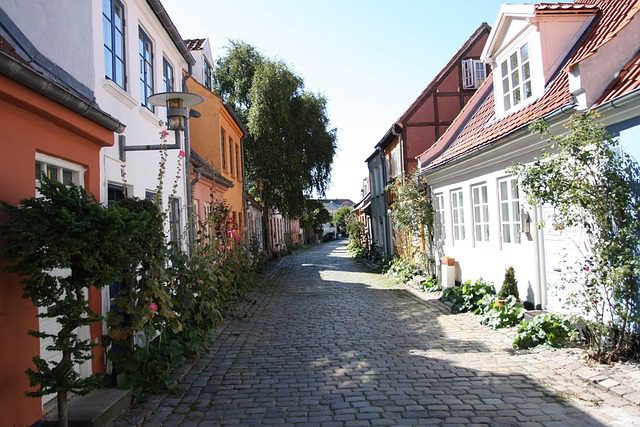
We’ve crossed Denmark several times — on an Interrail pass heading south, on a road trip from Aarhus down through Germany, and once deliberately, just to slow down in a country that seems allergic to hurry. Every time we’re in Aarhus in summer, we find ourselves thinking the same thing: why doesn’t everyone talk about this city?
Aarhus summer is quieter than Copenhagen, a fraction of the price, and — if you time it right in 2026 — home to one of the most anticipated cultural openings in Europe: the James Turrell Dome at ARoS, launching June 19.
Aarhus in summer is genuinely excellent: compact, walkable, bikeable, with a harbour beach, world-class museums, a charming old town, and real Danish cafe culture without the crush of Copenhagen. In 2026, the James Turrell Dome at ARoS opening on June 19 gives you a concrete reason to time your visit. Budget 2–3 days.
Why Aarhus summer actually works for travellers
Aarhus sits on the east coast of Jutland — mainland Denmark, not an island. That means it has a slightly different feel from Copenhagen: less polished, more lived-in, proudly provincial in the best sense. In summer (June through August), the harbour fills with kayakers, Den Gamle By (the open-air old town) runs extended hours, and street festivals claim the cobblestoned Latin Quarter.
The scale that makes it easy
Where Copenhagen spreads across an island and demands significant walking between neighbourhoods, the entire centre of Aarhus fits inside about 20 minutes on foot. The cathedral, the ARoS art museum, the harbour, the Latin Quarter, and the central railway station are all a short stroll from each other. We never once felt the metro-stress that Copenhagen can induce on a hot afternoon.
- Aarhus harbour beach (Ballehage / Bellevue): clean, supervised, popular with locals. A 15-minute bus or bike ride from the centre.
- Aarhus Cathedral (Domkirke): the longest Gothic church in Scandinavia — free to enter, cool inside during summer heat.
- ARoS Aarhus Art Museum: home to Olafur Eliasson’s Your Rainbow Panorama circular walkway on the roof. In summer 2026, also home to the new Turrell Dome (see section 2).
- Den Gamle By (The Old Town): an open-air museum of transplanted historic Danish buildings. Bizarrely moving, especially on a sunny evening when the light hits the half-timbered facades.
- Latin Quarter: the cafe, bar, and restaurant district south of the cathedral. Where you will spend more money than planned.
The weather reality
Aarhus summers are genuinely mild — average July highs around 20–22°C, rarely oppressively hot. The Danish west coast gets windier; Aarhus itself is sheltered enough that outdoor dining feels comfortable most evenings. Bring a light layer for the coast; the city itself is usually pleasant in a t-shirt by mid-June.
The James Turrell Dome — what to know before you go in 2026
American light-and-space artist James Turrell has been one of the most discussed names in contemporary art for five decades, but most of his major permanent installations are in remote locations — the Roden Crater in Arizona, works scattered across private collections. The Turrell Dome at ARoS changes that for Europe in a significant way.
Opening on June 19, 2026 (the same date as Midsommar — no accident, we suspect), the dome is ARoS’s largest permanent commission. Turrell’s work centres on the perception of light itself: you don’t look at a Turrell, you look into it. The dome creates an environment where the sky, or a simulated sky, becomes the artwork. Expect long queues on opening weekend.
Practical notes for visiting the Turrell Dome
- Open from June 19, 2026. Book ARoS tickets online in advance — capacity will almost certainly be limited for the dome itself.
- The existing Rainbow Panorama is included with standard admission. Don’t skip it; on a clear summer day the colour-wash over Aarhus’s rooftops is one of the better views in Scandinavia.
- Arrive early or late in the day. Midday crowds will be heavy, especially in June and July. The museum closes at 22:00 on Wednesdays and Thursdays — plan around that for quieter access.
- Photography policies may restrict phone use inside the dome. Check ARoS’s website for the latest rules; Turrell installations sometimes prohibit photography entirely.
Related read Planning a broader Danish summer trip? See our Denmark destination guide and our Copenhagen in Summer post for the full picture.
Aarhus summer quick-reference checklist
These are the things worth knowing before you arrive — the kind of list we wish someone had given us on our first visit.
- Book ARoS online in advance — the museum is popular and the Turrell opening will push demand higher in summer 2026.
- Rent a bike at the station — Aarhus is extremely bikeable and a rental opens up the harbour beach and the Marselisborg forests south of the city in minutes.
- Eat in the Latin Quarter, not on the harbour — the harbour has views but the Latin Quarter has better food at lower prices.
- Den Gamle By free evening hours — check seasonal hours; summer sometimes includes late-evening access when tour groups have cleared out.
- Moesgaard Museum (15 min south by bus) — one of Scandinavia’s best archaeology museums; the building itself is remarkable. Allow 3 hours.
- Aarhus Festuge (Aarhus Festival) — first week of September; if you can extend into early September, it’s one of Scandinavia’s largest city festivals.
- Train from Copenhagen takes 3 hours — fast, frequent, comfortable. Worth booking in advance in summer.
- Side trip: Djursland peninsula — 30–40 min east of Aarhus, dramatic chalk cliffs at Møns Klint equivalent, quieter than Copenhagen day-trip options.
Get our best travel tips in your inbox
Monthly stories from Rovaniemi — Arctic tips, packing lists, and the places we keep coming back to.
Where to stay in Aarhus in summer
Aarhus has far less accommodation pressure than Copenhagen, and prices are noticeably lower. In summer 2026, with the Turrell opening, expect the period around June 19 to sell out faster than usual — book the opening week well in advance.
Neighbourhood tips
- City centre (near the cathedral and ARoS): best for first-timers — everything walkable, no bike needed.
- Latin Quarter (south of the cathedral): if you’re there for evenings and nightlife. More noise, more character.
- Marselisborg direction (south): quieter, greener, closer to the harbour beach. Needs a bike or bus. Good for families.
What to budget
- Hostel: around 25–35 EUR/night in summer. Danhostel Aarhus is central and well-reviewed.
- Mid-range hotel: 90–140 EUR/night for a double in a 3–4-star property close to ARoS.
- Boutique options: Aarhus has seen a wave of design-led small hotels open in the last five years; budget 150–220 EUR for those.
Copenhagen vs Aarhus in summer — which should you choose?
We get asked this comparison constantly. Our honest take after having done both multiple times:
- Copenhagen for: first-time Scandinavia visitors, architecture and canal obsessives, people who want that iconic Nordic capital feel, those whose flight goes through CPH anyway. It’s genuinely world-class. It’s also expensive and crowded in summer.
- Aarhus for: returning Scandinavia visitors, people who dislike crowds, those coming specifically for ARoS and the Turrell Dome, travellers interested in Denmark beyond the postcard version, budget-conscious couples.
- If you have a week: do both. The 3-hour train is fast, seats are comfortable, and the journey through the Danish countryside is genuinely pleasant.
- Price difference: accommodation is roughly 30–40% cheaper in Aarhus. Food in the Latin Quarter is noticeably more affordable than Nørreport.
- Art museum comparison: ARoS, despite being a “regional” museum, holds its own against SMK in Copenhagen for contemporary work. The Rainbow Panorama alone is worth the detour.
Next in the series Read our full Copenhagen in Summer guide and our Best Coolcation Destinations 2026 overview for the full Nordic picture.
Mistakes we made in Aarhus — and what we’d do differently
- Not booking Moesgaard Museum in advance. We assumed we’d just show up. On a rainy summer Tuesday, half of Aarhus had the same idea. Now we pre-book.
- Skipping Den Gamle By because it “sounds touristy.” It is touristy, and it’s wonderful. Don’t skip it.
- Eating on the harbour on our first night. Everything is fine but nothing is remarkable. The Latin Quarter has better food. Walk five minutes further.
- Not renting a bike. The city is manageable on foot, but a bike opens up the Marselisborg Palace gardens, the harbour beach, and the forest within 15 minutes. It’s cheap (around 10–15 EUR/day) and completely changes the rhythm of the day.
- Checking the Turrell Dome opening date too late. We were in Aarhus three days before the June 19 opening and didn’t know. If you’re planning a June trip to Denmark in 2026, work backwards from June 19 and build your itinerary around it.
- Underestimating how good the food is. Aarhus has quietly become one of Scandinavia’s better food cities. The affordable end (smørrebrød bakeries, harbour fish stalls, Latin Quarter wine bars) is particularly strong.
Frequently asked questions about Aarhus in summer
Is Aarhus worth visiting in summer 2026?
Yes, particularly in 2026 with the James Turrell Dome opening at ARoS on June 19. Even without that event, Aarhus is one of Scandinavia’s most underrated summer cities: good beaches, great art, excellent food, and far less crowded than Copenhagen.
How many days do you need in Aarhus?
Two full days covers the essentials (ARoS including Rainbow Panorama and Turrell Dome, Den Gamle By, Moesgaard Museum, Latin Quarter). Three days lets you add the harbour beach, a day trip to Djursland, and time to just sit in a cafe and read a book. More than three days is for people who specifically want to slow down.
How do you get from Copenhagen to Aarhus?
The easiest way is by train — the IC train from Copenhagen Central Station takes around 3 hours and runs frequently. Book in advance in summer; DSB (Danish national rail) tickets are much cheaper online than on the day. Alternatively, the E45/E20 motorway connects the cities if you’re driving.
What is the James Turrell Dome at ARoS?
It’s ARoS art museum’s largest permanent commission, by American artist James Turrell, who is known for large-scale immersive light installations. The dome creates an environment in which light itself is the artwork — you experience it from the inside. It opens June 19, 2026.
Is Aarhus cheaper than Copenhagen?
Yes, noticeably so. Accommodation typically runs 30–40% cheaper than comparable Copenhagen options. Food and drink are also somewhat more affordable. Museum entry prices are similar, but the overall trip budget for Aarhus is meaningfully lower than Copenhagen.
What is the best area to stay in Aarhus for first-timers?
The city centre near ARoS and the cathedral puts everything within walking distance. The Latin Quarter is excellent if you’re there for evenings and food. For families or those wanting quieter surroundings, the Marselisborg area to the south is calmer and closer to the harbour beach.
A final word from Rovaniemi
We live at the top of the world, where the nearest city of any size is a three-hour drive and the definition of “summer” can feel like a brief negotiation with the sun. When we travel south to Denmark — which sits, from our perspective, practically in the tropics — we notice light differently. The long evenings in Aarhus in June, the warm stone of the Latin Quarter, the way a Danish summer afternoon has a quality of deliberate slowness that neither Helsinki nor Rovaniemi quite manages.
Aarhus summer rewards the traveller who arrives without a packed itinerary. Show up, get a bike, point yourself towards the water, and let the city reorganise your expectations of what a Scandinavian summer can look like. The Turrell Dome opening this June is a rare moment: a world-class art event in a mid-sized city that isn’t yet overwhelmed. This is the year to go.
We’ll see you there — or more likely, we’ll be reading your postcards from our kitchen in Finnish Lapland.
Joona & Alla
A Finnish-Ukrainian couple living in Rovaniemi, Finland. Joona is a marketing professional in Lapland tourism; Alla is an AI engineer. Together we’ve visited 25 countries and share honest, locally-grounded travel writing from our home in the Arctic.
Read our full story →