NORDIC COUNTRIES · DENMARK

Denmark,

the warmest corner of the Nordics

Honest notes on Copenhagen, Hirtshals, and the Danish countryside — from a family who crosses the Baltic to get here.

SCROLL

BEST TIME

May — Sep

LANGUAGE

Danish

CURRENCY

DKK

OUR VISITS

Multiple trips

Denmark is the Nordic country we visit most often after our own. The ferry from Helsinki to Copenhagen, the road trip from Rovaniemi through Sweden and down — we keep finding excuses to come back. It is gentler than the rest of Scandinavia, flatter, warmer, and built on a scale that makes everything feel walkable and welcoming.
FAST FACTS

Denmark at a glance

Denmark — where Scandinavia meets the continent

Best time to visit

Summer (May–September) is the obvious pick: long daylight, outdoor cafés along the canals, and Tivoli in full swing. Midsummer is lovely but less dramatic than in Sweden or Finland — Danes celebrate with bonfires on the beach. Shoulder months (April, October) are ideal for Copenhagen city breaks: fewer tourists, autumn colours in Frederiksberg Gardens, and hotel prices drop noticeably. Winter is cosy — this is the birthplace of hygge, after all — but daylight is short and many attractions outside Copenhagen scale back.

Top experiences

Hiller-d_Hiller-d-Kommune_Denmark_hungrytravelfamily_002
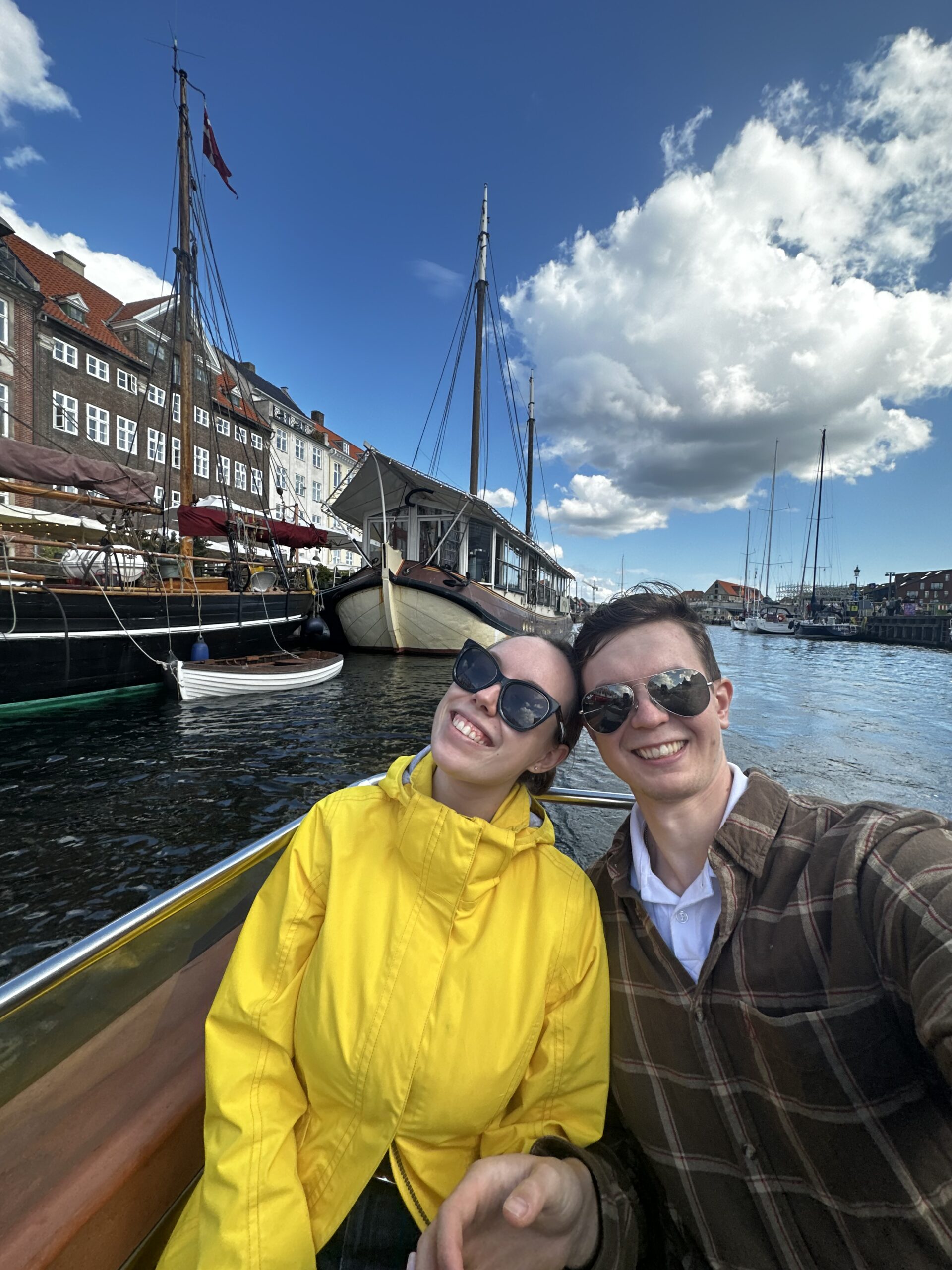
Copenhagen. Nyhavn is the postcard, but the city reveals itself on two wheels. Rent a bike, ride from Christiania to the Little Mermaid, stop at Torvehallerne for lunch, then spend an evening in Tivoli Gardens where the lights make even adults feel like children.

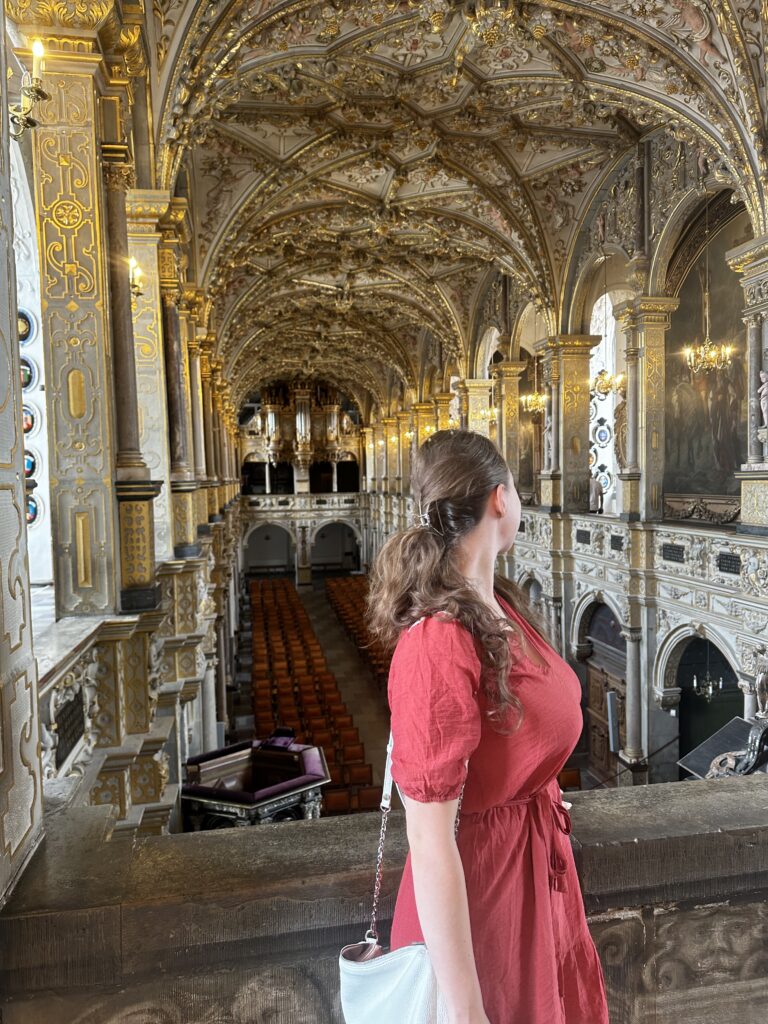
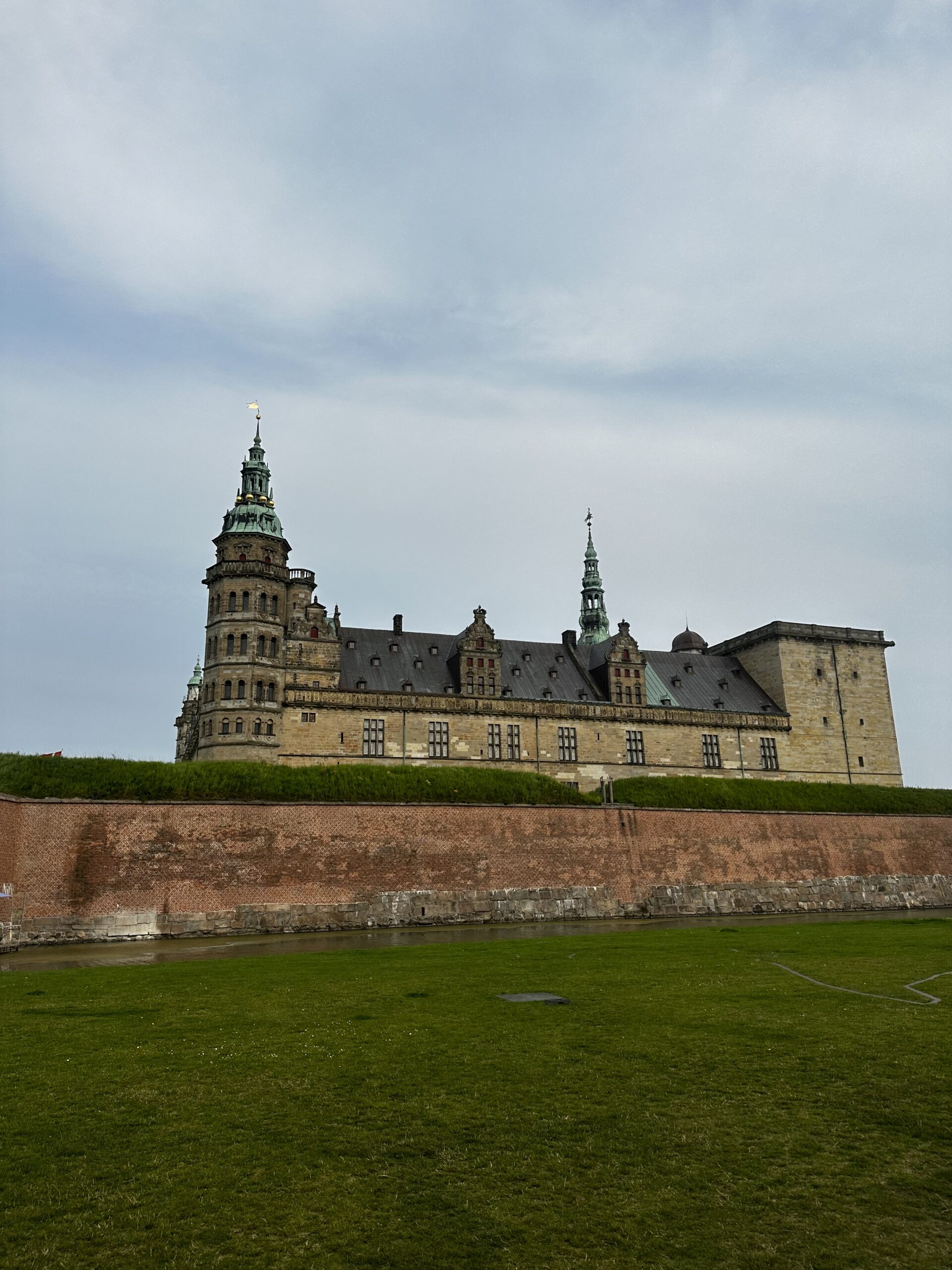
Helsingør and North Zealand. Kronborg Castle — Shakespeare’s Elsinore — sits at the narrowest point of the Øresund. Pair it with a day in Hillerød at Frederiksborg Castle, arguably the most beautiful Renaissance building in Scandinavia.

Hirtshals and the Skagen tip. This is where we catch the ferry to Norway, but the area deserves its own trip. Skagen, at Denmark’s northern tip where two seas meet, has extraordinary light that drew painters for centuries. The Buried Church and Råbjerg Mile sand dune are otherworldly.

The Danish islands. Beyond Zealand and Funen, smaller islands like Ærø and Born-holm offer a quieter, slower Denmark — thatched roofs, smoked herring, and harbours so picturesque they look staged.

Where to base yourself

For a first trip: four to five nights in Copenhagen is plenty to explore the city and take day trips to Helsingør and Hillerød. For a road trip: rent a car and drive north through Zealand to Skagen, then loop back through Jutland.

Copenhagen neighbourhoods: Vesterbro for trendy cafés and street food, Nørrebro for local character, Frederiksberg for parks and calm. Indre By (the city centre) is walkable but pricier. The metro and S-trains are excellent.

Getting around

Trains are solid. DSB connects Copenhagen to Odense, Aarhus, Aalborg, and up to Hirtshals. The network is smaller than in Sweden but reliable and clean. Intercity Lyn trains are the fast option.

Inside Copenhagen: everyone cycles. The city is genuinely built for bikes — dedicated lanes, traffic lights for cyclists, bike-share stations everywhere. The metro is modern and runs 24/7 on weekends. Don’t rent a car in Copenhagen; you won’t need it and parking is brutal.

Food and drink

Danish food punches well above its weight. Copenhagen is home to some of the world’s best restaurants, but you don’t need a reservation at Noma to eat well here.

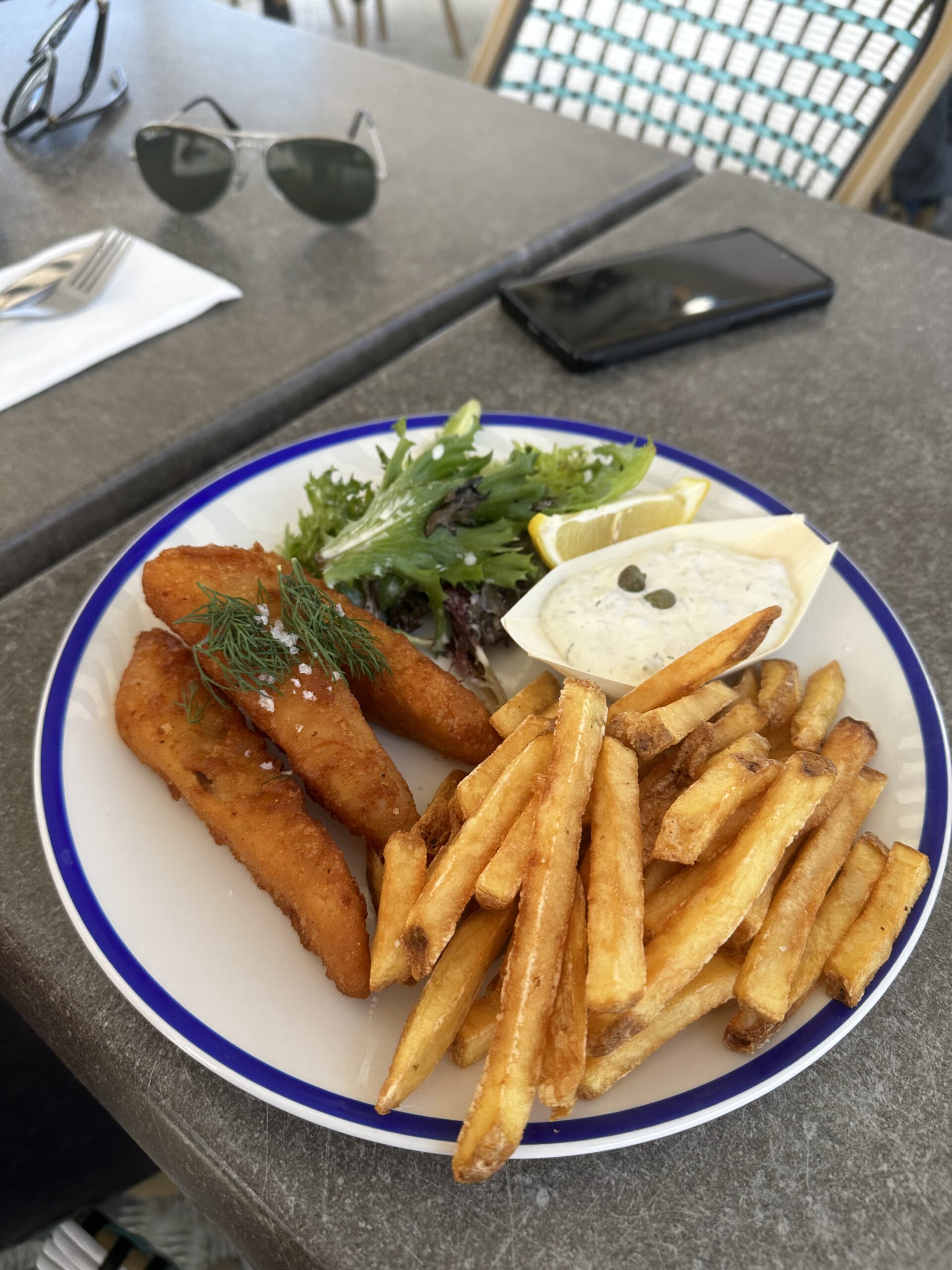
What we always eat: smørrebrød (open-faced sandwiches — the classic lunch), flaky pastries from any bakery (a “Danish” in Denmark is a wienerbroed), hot dogs from a pølsevogn street cart, and fresh fish at any harbour. Danish beer culture is excellent — Carlsberg and Tuborg are everywhere, but seek out Mikkeller or local microbreweries. Supermarkets sell beer and wine freely; spirits are in separate shops.
DAILY BUDGET

What a day in Denmark costs

Denmark has a reputation for being pricey — and Copenhagen is, but not wildly so if you plan it right. Outside the capital, prices drop fast. These are real numbers we’ve seen for two adults travelling mid-range in 2026: comfortable but not fancy, one nice meal a day, public transit, one paid activity.

Expect ~1,500 – 2,400 DKK per day for two (roughly €200 – 320). Copenhagen is the most expensive; Jutland and the islands cut this by 20–30%.

Mid-budget day, per couple

≈ 1,500 – 2,400 DKK / €200 – 320 per day for two
WHAT TO PACK

Essentials for a Danish trip

FROM OUR EXPERIENCE

Joona & Alla's pro tips

Pack light, layer smart. Danish weather shifts from sun to drizzle in an hour. A windproof jacket and a light sweater handle most days, even in summer.

Get a bike. Copenhagen is flat and built for cycling. Even as tourists, we cover three times more ground on two wheels than on foot. Børn on bikes are everywhere — it is genuinely safe.

Learn one word: hygge. Candles, blankets, warm drinks in a cosy corner — Danes build their entire winter survival strategy around it. Lean in.

Carry a Rejsekort. Denmark’s travel card works on buses, trains, and metro across the country. Way cheaper than single tickets, and you tap in and out like an Oyster card.

Our take

Denmark rewards the curious. It is the Nordic country that feels most like mainland Europe — kinder, denser, more forgiving of visitors. Copenhagen alone is worth the trip, but push north to Skagen or out to the islands and you will find a quieter Denmark that stays with you. We keep coming back because it feels like a deep breath between bigger adventures.

DENMARK IN PHOTOS

Our trip, one frame at a time

Common questions

Copenhagen or Stockholm?

Both, honestly, but if pushed: Copenhagen if you want design, cycling culture, and restaurants. Stockholm if you want water, forests, and a slower rhythm. Copenhagen is more compact and easier to navigate on a first visit — you can see the highlights in three days.

Is Denmark good for families?

Absolutely. Denmark is one of the most family-friendly countries in Europe. Tivoli Gardens, LEGOLAND Billund, the Viking Ship Museum in Roskilde — kids are welcome everywhere. Restaurants have high chairs, trains have play areas, and the cycling infrastructure means even toddlers in cargo bikes are a normal sight.

Cities we love

JOIN THE JOURNEY

Get our best travel tips in your inbox

Monthly stories from Rovaniemi — Arctic tips, packing lists, and the places we keep coming back to.

Scroll to Top