Is Denmark Expensive to Drive Around? Our Real 2026 Road Trip Budget
We drove across Denmark — from Copenhagen to Jutland and back — and tracked every krone. Here is our honest Denmark road trip budget for 2026, including fuel, tolls, food, and where we overspent.
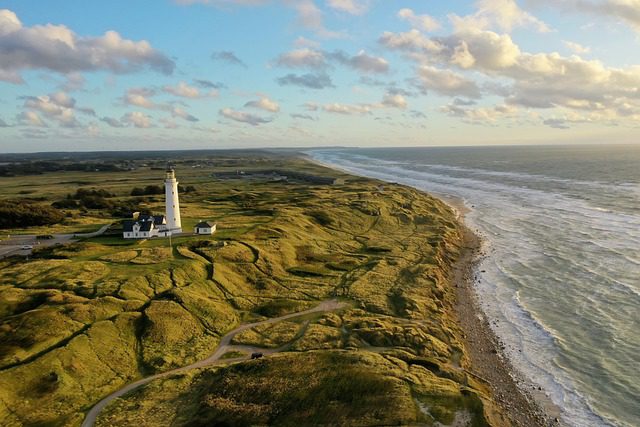
Denmark was never on our original road-trip list. We’d been planning another lap of Norway when a cheap last-minute ferry from Helsinki to Copenhagen changed everything. We rented a small diesel hatchback, loaded it with camping gear we mostly never used, and spent nine days looping from the capital through Funen and all the way to the northern tip of Jutland. We kept a spreadsheet for every expense — fuel stop, toll, supermarket run, restaurant dinner — because we wanted to answer the question that almost no travel blog ever answers honestly: what does a Denmark road trip actually cost?
The short answer is: more than Norway’s scenic roads, but less than many people fear. Denmark is expensive by European standards, but it is also compact, remarkably well-organised, and easy to navigate. For a Scandinavian road trip, it punches above its weight.
Denmark is expensive but not outrageously so for a road trip. For two people driving about 1,200 km over 7–9 days in 2026, budget roughly €120–160 per day all-in, including a rental car, accommodation, fuel, food, and entry fees. The biggest surprises are accommodation costs (Denmark charges premium prices), while fuel and tolls are more reasonable than you’d expect.
Is Denmark expensive to drive around in 2026?
Yes — Denmark consistently ranks among the five most expensive countries in Europe for travellers. But driving Denmark carries some specific cost quirks that work in your favour compared to, say, a city trip to Copenhagen.
What makes Denmark cheaper on a road trip
- No motorway tolls except the Great Belt Bridge and Øresund Bridge. The rest of the road network is toll-free. If you’re staying west of the Great Belt (i.e. just Jutland), you may pay zero bridge tolls at all.
- Diesel and petrol prices are mid-range for Scandinavia. In 2026 we paid around 14–15 DKK per litre for diesel (roughly €1.90–€2.00), which is cheaper than Norway and comparable to Sweden.
- Distances are short. Denmark is 400 km from north to south and about 300 km wide. You won’t burn fuel the way you do in Norway or Iceland.
- Supermarkets are excellent and affordable. Netto, Rema 1000, and Lidl are everywhere. A proper self-catered dinner for two from a supermarket costs €10–14.
What makes Denmark expensive on a road trip
- Accommodation is the biggest cost. Even simple B&Bs or budget guesthouses in popular areas run €80–130 per night. Camping is available and reasonable (€20–35 per pitch), but not always where you want to be.
- Eating out is very expensive. A sit-down lunch for two in any town centre will cost €35–55 without wine. Dinner in a restaurant pushes €70–100 for two with one drink each.
- Car rental is pricier than in southern Europe. A compact car from Copenhagen airport in summer 2026 costs €40–75 per day, depending on the model and how early you book.
- Entry fees add up. Legoland (if travelling with children), Møns Klint visitor facilities, Viking Ship Museum — Denmark’s attractions charge adult prices.
Our real Denmark road trip costs, line by line
We drove 1,190 km over 8 days, two people, in a rented Volkswagen Polo diesel from Copenhagen. Here is what we actually spent.
Rental car
We booked a Polo diesel via a comparison site about three weeks before departure. The base rate was €52/day × 8 days = €416, plus a full-to-full fuel policy upgrade of €28. Total: €444. We declined the extra insurance because we had coverage through our Finnish credit card — always check yours before paying €15–20/day for the rental company’s cover.
Fuel
Total fuel spend: €94. The Polo averaged about 5.2 litres per 100 km, so 1,190 km cost us roughly 62 litres of diesel. At roughly €1.90/litre that comes out to about €118, but we returned the car with a slightly fuller tank than we received it, effectively prepaying for some unused fuel. Real-world fuel cost for that mileage: roughly €90–100.
Tolls and bridges
We crossed the Storebæltsbroen (Great Belt Bridge) twice — once eastbound and once westbound. The toll for a passenger car in 2026 is around 270 DKK (~€36) each way. We also considered the Øresund Bridge to Sweden but skipped it. Total bridge tolls: €72. If you stay entirely in Jutland, your toll bill is zero.
Accommodation
This is where Denmark bites. We mixed camping (3 nights) with guesthouses and one city hotel in Aarhus (5 nights). Breakdown:
- 3 camping nights × ~€28 average: €84
- 3 guesthouse/B&B nights × ~€95 average: €285
- 1 city hotel night in Aarhus: €142
- 1 Airbnb room in Skagen: €88
Total accommodation: €599 for 8 nights. That works out to €74.88 per person per night — higher than we’d pay anywhere in eastern Europe, but comparable to what we’d pay road-tripping in the French Riviera.
Food and drink
We ate out five times (two lunches, three dinners). The rest was supermarket cooking at campsites or guesthouse kitchens. Food total for two over 8 days:
- Restaurants/cafés (5 meals × ~€48 average for two): €240
- Supermarket groceries (full 8 days, including breakfast and most lunches): €118
- Coffee stops and bakeries (the rundstykke habit is real): €36
Total food: €394. We could have cut this significantly by skipping the restaurant dinners — but if you’re in Denmark and you don’t eat one sit-down smørrebrød lunch, you’ve made a mistake.
Attractions and activities
We were fairly selective. Viking Ship Museum in Roskilde: €22 for two. Møns Klint cliff walk (free, but parking €6). Skagen Grenen tip walk (free). Den Tilsandede Kirke entry: €6 combined. Legoland — we skipped it. Total: €34.
Miscellaneous (parking, laundry, ferry, SIM)
City parking in Copenhagen one afternoon: €12. Laundry at a campsite: €8. Danish SIM card with data (we crossed from Finland, so EU roaming worked but we wanted a local number): €18. Ferry from Helsinki to Copenhagen (the whole reason we went): €94 for two with a cabin, booked six weeks ahead. Total: €132 (€38 if you exclude the ferry we already booked separately).
Grand total: 8 days, two people
Rental + fuel + tolls + accommodation + food + activities + misc: €1,769. Per person: €884.50, or €110.56 per person per day. As a couple sharing costs on one car and one room: €221/day all-in.
That is more than a road trip through Poland or Portugal at similar pacing, and slightly less than a comparable trip in Norway. It felt worth it.
Quick-reference Denmark road trip budget
Use these figures to build your own estimate. All prices are 2026 averages for two people sharing costs.
- Rental car (compact, booked 3+ weeks ahead): €40–60/day
- Fuel (per 100 km, diesel): €9–11
- Great Belt Bridge toll (each way): ~€36 (270 DKK)
- Øresund Bridge toll (each way): ~€45 (340 DKK)
- Budget guesthouse / B&B (per night, shared room): €70–110
- Campsite pitch (per night): €20–35
- Supermarket dinner for two: €10–16
- Sit-down restaurant lunch for two: €35–55
- Sit-down restaurant dinner for two (one drink each): €65–100
- Coffee and pastry (bakery): €6–9 for two
- Daily total (budget-conscious, mix of camping + self-catering): €120–150 for two
- Daily total (mid-range, guesthouses + occasional restaurants): €180–240 for two
We write from the Arctic. You read it anywhere.
Monthly dispatches: honest travel budgets, road trip reports, and what we’re planning next from Finnish Lapland.
Accommodation costs: the biggest variable in your Denmark road trip budget
If there is one line in your Denmark budget to obsess over, it is accommodation. The difference between a camping-heavy trip and a guesthouse-heavy trip can easily be €300–400 over a week. Here is how to think about your options.
Camping in Denmark
Denmark has a dense network of official campsites — almost every coastal area and most towns have one within a few kilometres. Prices range from €18 for a basic pitch to €40 for a fully-serviced waterfront spot in summer. Most sites have good facilities: clean bathrooms, a camp kitchen, sometimes a small shop. The Campingpas annual card (around €20) is worth buying if you’ll camp more than twice — you need it at most sites.
- Quality is consistently high — Danish campsites are well-maintained.
- Booking ahead in July is strongly recommended; popular coastal sites fill up.
- Wild camping (outside official sites) is technically not legal in Denmark unlike in Finland or Sweden — stick to campsites.
Guesthouses and B&Bs
These are the Danish road tripper’s sweet spot. Independent guesthouses (pensionat or kro) typically include breakfast and cost €75–120/night for a double. They are almost universally charming — old farmhouses, converted mills, harbour buildings. Booking 2–3 nights ahead rather than day-of usually saves €10–20 per night.
Chain hotels and city stays
Stick to chains like Cabinn or Zleep Hotels for city nights if budget is the priority. Both offer clean, compact rooms in central locations from €80–110. Avoid small design hotels in Copenhagen unless you’ve budgeted €200+ per night.
Eating and drinking on a Denmark road trip
Danish food culture is extraordinary and expensive. Finding the balance between experiencing it properly and not breaking the budget is the real skill of Denmark road tripping.
Where to save
- Supermarket breakfasts are genuinely excellent. Danish rye bread, cheese, cured meats, and yoghurt from Netto or Rema 1000 make for a better breakfast than many hotel buffets, at a quarter of the price.
- Bakeries for lunch. A rundstykke (bread roll) with fillings from a local bakery costs €4–7 and will keep you going until dinner. Better value than any café sandwich.
- Grocery stores carry high-quality ready meals. If you’re camping, the pre-marinated meats and fish at Danish supermarkets are worth picking up.
Where to spend
- At least one proper smørrebrød lunch. Open-faced rye sandwiches topped with herring, roast beef, or egg and shrimp — this is Denmark’s great culinary contribution to the world. A lunch of three or four pieces with a beer costs €25–35 per person.
- Fish from a harbour kiosk. In any Danish fishing harbour — Skagen, Thyborøn, Hvide Sande — fresh smoked mackerel or fried plaice from a harbour kiosk costs €8–12 and is usually sensational.
- One dinner at a classic Danish kro. The old inn tradition of a three-course dinner is worth trying once. Budget €40–55 per person for the full experience.
What we’d do differently to save money on a Denmark road trip
- Camp every night in Jutland. Jutland has some of the best campsites in Scandinavia and the scenery along the west coast is spectacular. If we’d camped all 8 nights instead of 5, we’d have saved roughly €250.
- Skip Copenhagen entirely (or limit it to one night). Copenhagen adds €150–200 per day to your budget almost automatically — it’s a city budget, not a road trip budget. We’d fly or ferry in, spend one night, and leave the next morning.
- Cross the Great Belt once, not twice. Plan a circular route so you only pay the bridge toll in one direction, then return via a different route — or take the old ferry crossing at Spodsbjerg–Tårs (cheaper than the bridge for a single crossing).
- Book the rental car further ahead. We booked three weeks out and paid €52/day. Colleagues who drove Denmark a month earlier booked six weeks ahead and paid €34/day for a similar car. On an 8-day trip that difference is €144.
- Get a Campingpas card on day one. You’ll pay it back within two nights, and it’s required at most sites anyway.
- Avoid July peak if you can. Late June and early August have similar weather, noticeably fewer crowds, and accommodation prices that are 15–25% lower.
Mistakes we made (and what they cost us)
- Paying rack rate for the Aarhus hotel. We booked same-day because we arrived late and everything was full. Cost: €142 for what should have been an €85 room. Lesson: book accommodation at least 48 hours ahead in summer.
- Paying for a campsite in Roskilde rather than staying in the city. We thought we’d save money camping outside the city and driving in. The €12 parking fee plus extra fuel erased the savings. Lesson: for city days, stay close.
- Buying coffee in tourist areas. A coffee on the waterfront in Nyhavn: €7.50. The same coffee one block away: €4.20. We bought three coffees at tourist prices before we caught on. Lost: roughly €25 over the trip.
- Not checking the ferry schedule properly. We wanted to take a small car ferry across a fjord in Jutland. It didn’t run on the day we needed it. We had to backtrack 55 km. Extra cost: about €15 in fuel and a wasted afternoon.
- Eating at the first restaurant in every town. Danish restaurants in town centres cater heavily to tourists and price accordingly. Walking one street back almost always reveals the local option that costs 20–30% less.
- Underestimating how filling (and how good) bakeries are. We bought sit-down lunches on three days when a bakery run would have been better, cheaper, and honestly more Danish. About €60 in unnecessary restaurant lunches.
Frequently asked questions
What is a realistic daily budget for a Denmark road trip in 2026?
For two people sharing a car and one room, budget €150–180 per day for a mid-range trip (guesthouses, occasional restaurants, main attractions). On a camping-heavy, self-catering trip you can bring it down to €100–120 per day. Travelling solo with your own vehicle or a rental pushes the per-person cost higher.
Are there motorway tolls in Denmark?
No general motorway tolls. The only tolls are on the Great Belt Bridge (~€36 each way) and the Øresund Bridge connecting Denmark to Sweden (~€45 each way). If you’re driving entirely within Jutland, your toll cost is zero.
Is it cheaper to road trip Denmark or Norway?
Denmark and Norway are similar in overall cost, but the cost profile is different. Denmark has higher accommodation prices in tourist areas but cheaper fuel and no road tolls. Norway has significant road and tunnel tolls (€5–30 per stretch) but the landscape is more dramatic for longer-distance drives. For a pure cost comparison, Denmark is marginally cheaper if you camp heavily.
Is wild camping allowed in Denmark?
Not really. Unlike Finland or Sweden, Denmark does not have an extensive allemansrätt (everyman’s right) tradition that allows free camping on most land. There are some designated primitive shelters and lean-tos in forests, but general roadside or beach camping without permission is not legal. Use official campsites — they are plentiful and well-priced.
What is the cheapest time of year to road trip Denmark?
Late May to early June, and September. You get good weather (especially in June), significantly cheaper accommodation than peak July, and most attractions are open. Avoid July if budget is your priority — it’s Denmark’s most expensive month by a considerable margin.
How much should I budget for fuel on a Denmark road trip?
Denmark is compact, so a typical road trip covering 1,000–1,400 km will cost €75–120 in diesel (2026 prices, roughly €1.90–2.00/litre). Petrol is slightly more. A compact diesel or hybrid is the most cost-effective choice. Electric vehicle charging is widely available but can be expensive at fast chargers — budget €0.60–0.90 per kWh at public DC chargers.
A final word from Rovaniemi
We drove back to Copenhagen on the last evening and sat at the harbour eating smoked mackerel from a paper bag, watching the evening light on the water. Total cost of that meal: €11. Total cost of the trip: more than we’d spent on any road trip that year except Iceland. Was it worth it? Without question.
Denmark is not a destination where you go to travel cheaply. It’s a destination where you go to be genuinely surprised by a country smaller than you imagined and richer in character than you expected. If you budget honestly — €120–160 per day for two, camping where you can, eating smørrebrød for lunch and supermarket dinners at the site — you will spend less than the horror stories suggest and more than you would anywhere in the Balkans. That feels about right for Scandinavia.
We’re already planning a second lap that skips Copenhagen entirely and goes deep into Jutland. We think it will be cheaper, longer, and better. We’ll bring the spreadsheet.
Keep your crypto offline, not in an exchange app
Any crypto we hold lives on a Trezor hardware wallet — a small offline device in a drawer in Rovaniemi, not on a phone that crosses borders every month. If you’ve been meaning to sort that out, this is the link we’d send a friend.
Joona & Alla
A Finnish-Ukrainian couple living in Rovaniemi, Finland. Joona is a marketing professional in Lapland tourism; Alla is an AI engineer. Together we’ve visited 25 countries and share honest, locally-grounded travel writing from our home in the Arctic.
Read our full story →