How to Travel as a Couple Without Killing Each Other
Twenty-one countries, three continents, one shared backpack and a few real arguments later — here’s the honest list of habits we’ve picked up about travelling as a couple. Not the Instagram version. The actual one.
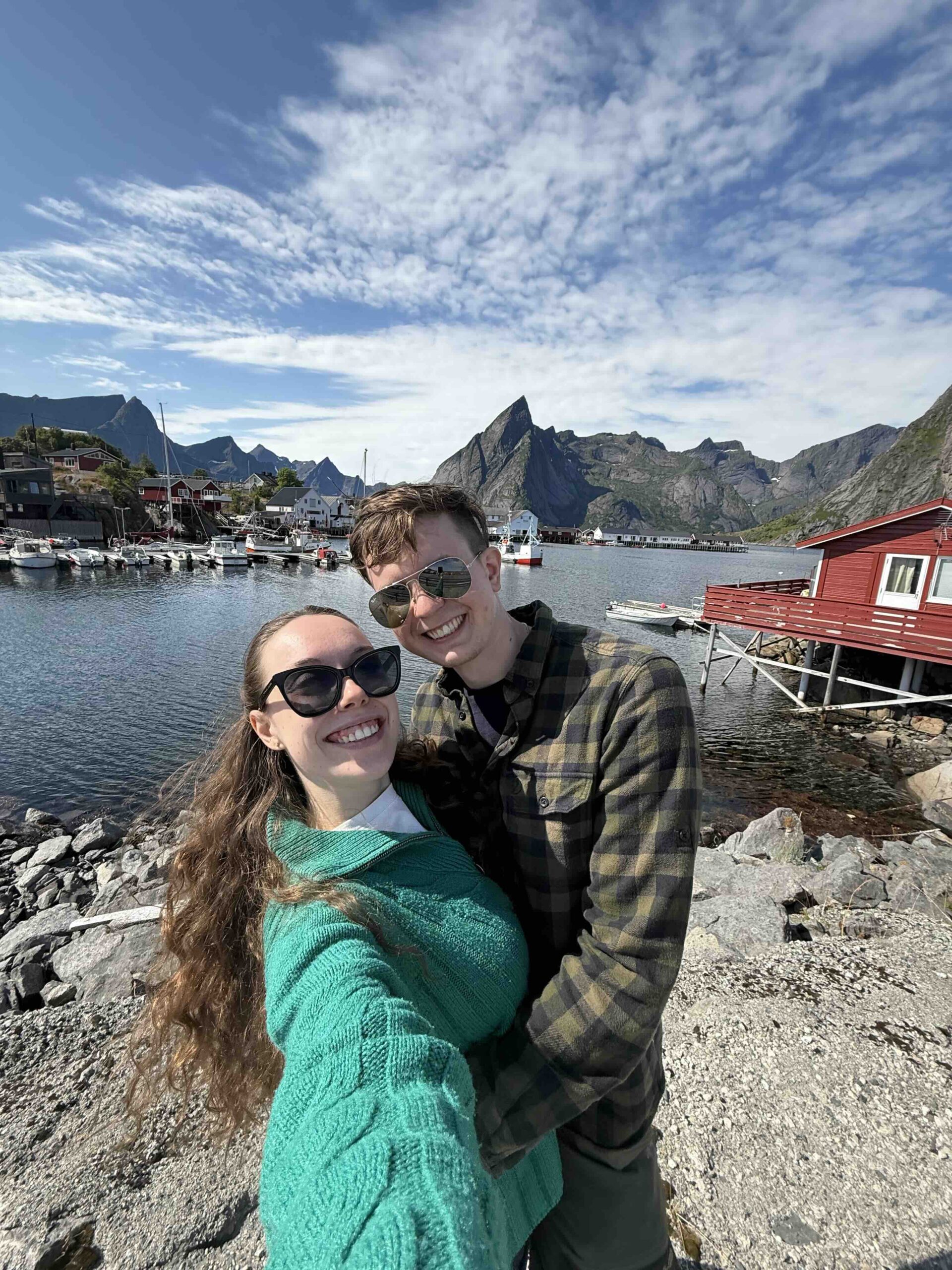
We’ve been together for over a decade and travelling together for almost as long. Twenty-one countries between Lapland and Singapore, three continents, every transport mode you can name, and a few hotel rooms where one of us slept on the floor for principle. So when people ask us how we travel as a couple without ending up in a public airport meltdown, we usually laugh first — because we’ve absolutely had those meltdowns — and then tell them what actually works.
This isn’t a list of romantic suggestions. There’s no “always hold hands at sunset.” Couples travel is a logistics problem, an emotional regulation problem, and a personality compatibility test all at once. The good news: most of the friction is fixable, and almost none of it is actually about your relationship.
Most travel arguments aren’t really about the trip. They’re about hunger, sleep, money, and unspoken expectations. Travel doesn’t break couples — it just compresses normal friction into a smaller window. If you can name what triggers each of you, plan around the predictable lows (jet lag, transit days, money decisions), and split the planning load fairly, you’ll have a great trip. Skip those things and you’ll spend half your holiday tense.
Why travel makes everything louder
Home life has buffers. You go to work, you have your own routines, you decompress on a sofa with a phone in hand and the world on mute. On a trip, all of that disappears. You’re together for sixteen hours a day, often making decisions about money and direction every hour, often hungry, often tired, often in a language neither of you speaks. Anything that’s slightly tense at home becomes very tense in a Roman alley at 3 pm in 34°C.
The first thing we figured out, after our trip to Italy in our second year together, is that travel doesn’t create new problems — it just amplifies the ones you already have. The argument about whether to take the cheap bus or the fast train is rarely about transport. It’s about how each of you weighs time vs money, control vs flexibility, planning vs spontaneity. Once we started having those conversations before a trip, they stopped happening during them.
What we wish someone had told us in our 20s
- Jet lag is a relationship hazard. The first 36 hours after a long flight are the worst version of both of us. We don’t make decisions in that window anymore.
- Hunger is a personality. One of us gets quietly stoic when hungry, the other gets sharp. We both got better at carrying snacks.
- Most “fights” are about pace. Are we walking 18 km today or sitting in a café for two hours? Knowing each other’s pace tolerance is half the battle.
Plan the trip together (but split the work)
The single biggest unlock for us was deciding that both of us plan, but we don’t both plan the same things. Whoever loves obsessing over flights and trains plans the transport. Whoever cares more about food picks the restaurants. Whoever sleeps badly on hard mattresses chooses the hotels. We trust each other’s judgment in their domain, and the other person doesn’t second-guess.
This sounds simple. It is genuinely transformative. The version where one person plans everything and the other shows up creates a quiet resentment on both sides — the planner feels uncredited, the non-planner feels passive and grumpy when something goes wrong. Splitting it by interest, not by alphabetical fairness, removes both feelings.
How we split it now
- Joona: flights, trains, big logistics, day-of navigation, photos.
- Alla: accommodation, food research, packing strategy, language and cultural prep.
- Together: budget, route, the must-see list, anything that costs more than €100.
The three triggers we now schedule around
After enough trips, you start to notice the same low points keep repeating. We mapped ours and now we just plan around them. Three big ones:
1. Transit days
Travel days — long flights, train transfers, border crossings — are when 80% of our friction happens. We’re tired, we’re stressed about logistics, we haven’t eaten properly. We now treat transit days as recovery days, not productive days. We don’t try to also see a museum the same afternoon. We arrive, we eat, we sleep. Productive sightseeing starts on day two.
2. Money decisions in the moment
Standing outside a restaurant trying to decide whether €45 for dinner is too much is a special form of public misery. We now agree on a rough daily budget at the start of the trip and commit to not having that conversation in the moment. If something looks great and is in budget, we book it. If we’re over budget, we adjust the next day, not at the door of the restaurant.
3. The first hour after arrival
The hour you land in a new city is statistically the most stressful — backpacks heavy, no idea where the metro entrance is, currency math happening in your head. We’ve now built a rule: nobody makes a real decision in that first hour. We just get to the accommodation, drop bags, drink water, and only then start planning the rest of the day.
Money: the conversation we used to avoid
Money is where the most travel arguments come from and the place where most couples don’t have a system. We used to take turns paying without tracking. After our second long trip, we realised one of us had spent almost €600 more than the other and neither of us had noticed until we sat down at home with two months of statements. That was uncomfortable.
The fix was unromantic and effective: a shared trip-spending log. We both note bigger expenses (anything over €20) into a shared note on our phones. At the end of the trip we settle the difference. It removes 100% of the “wait, did I pay for that or did you?” anxiety, and it also makes us both more aware of where the money’s actually going. It’s not a budget — it’s bookkeeping. We were both surprised how much it relaxed the trip.
What we use
- One shared note in our phone notes app, simple list: date, what, amount, who paid.
- One agreed budget for the whole trip, decided before we leave.
- One “no questions asked” allowance — €30 each per day for solo coffees, books, tiny purchases — that doesn’t get logged.
Time apart on the same trip
This was the most counterintuitive thing we learned: long trips work better when you spend time apart. Not days. Hours. One of you wants to read in a café, the other wants to walk for three hours with a camera. Saying “great, see you for dinner” instead of forcing a compromise works wonders.
Early on, we felt like we should do everything together — that splitting up for an afternoon meant the trip was failing. The opposite is true. A few hours apart resets both of you, gives you something new to talk about over dinner, and prevents the slow grind of being on top of each other 24 hours a day for two weeks. The relationship benefits from a small amount of space, and so does the trip.
Mistakes we keep making (and how we fix them)
Overpacking the schedule
We still do this on every trip. Day three of a fourteen-day Interrail and we’ve planned five things in eight hours. The fix: pick one non-negotiable thing per day, and let everything else be optional. We hit the highlight, and if we have energy after, we add another. We never miss the thing that mattered.
Not eating before a big decision
Every “should we change hotels” or “let’s argue about the route” conversation we’ve had on a trip happened on an empty stomach. We have a rule now: no big decisions before lunch. The number of difficult conversations that became simple after a sandwich is genuinely embarrassing.
Treating disagreements as relationship problems
The biggest mindset shift: most of our travel disagreements are logistical, not relational. Disagreeing about which museum to skip doesn’t mean anything about the relationship — it means we have different preferences about museums, which is fine. Separating “I’m annoyed at this situation” from “I’m annoyed at my partner” was probably the single most useful thing we figured out in our 30s.
Frequently asked questions
What’s the longest trip you’d recommend for a new couple?
For a relationship under two years, we’d say no more than 10 days for a first big trip. You learn a lot about each other in that time — pace, money habits, decision-making — and 10 days is enough to see real patterns without being trapped if it’s going badly. We did a three-week Interrail in our first year together and survived, but it was harder than it needed to be.
Should we travel with friends as a couple, or just the two of us?
Both work, but they’re very different. Travelling as a couple is intense — you’re each other’s only conversation, only company, only decision partner. Travelling with friends adds buffers and energy but reduces alone time. We mostly travel as just the two of us, but a trip with one other couple every year or two is a really nice reset.
What if one of you wants to plan everything and the other doesn’t care?
It’s tempting to let the planner plan and the other person enjoy the ride, but it builds resentment quietly. Even if one person doesn’t enjoy planning, give them one small zone to own — picking restaurants, picking one day’s activity, choosing the music for travel days. The point isn’t equal effort, it’s shared ownership.
How do you handle travelling with very different fitness levels?
Honestly. The faster walker plans shorter days. The slower walker doesn’t pretend they want to climb the optional viewpoint. We’ve taken separate routes when we’ve wanted very different paces — one of us hiking, the other staying in the village — and met for dinner. It works.
Do you do digital detoxes when travelling together?
Not full detoxes — we’re both online a lot for work — but we have one no-phones rule that helps: phones go away during meals out. It’s small. It’s the most consistent thing that makes a couples trip feel like a couples trip.
What’s the worst couples-travel mistake you see other people make?
Pretending the trip is easy when it isn’t. The “perfect honeymoon” Instagram pressure is the enemy of a good trip. The best couples trips we’ve had included rough mornings, cancelled trains, lost reservations, and one tearful argument in Tallinn about whether to walk or take a tram. None of that means the trip is a failure. It means it’s a real trip.
A final word from Rovaniemi
If you take one thing from this: travel doesn’t reveal who you are as a couple. It reveals what kind of system you have. The couples we know who travel well aren’t the most romantic ones — they’re the ones with shared habits, honest communication, and a quiet understanding that the bad hours of a trip don’t define the trip.
Plan the predictable lows. Eat before you decide. Split the work fairly. Take a few hours apart. And next time something starts to escalate over a missed train, ask yourselves whether you’re hungry. You probably are.