The Stockholm Archipelago Guide: 5 Islands Worth the Ferry
We spent a summer week island-hopping in the Stockholm archipelago — 5 islands, 7 ferry rides, and exactly zero regrets. Here’s which ones are actually worth your time.
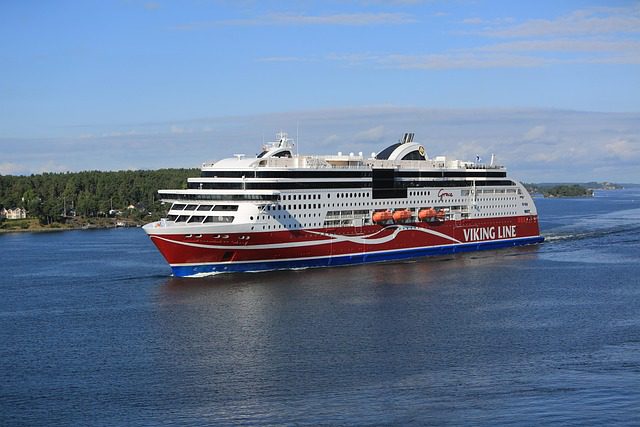
The Stockholm archipelago is one of those places you hear about constantly but somehow never fully prepare for. We’d been to Stockholm before — Joona for work, me for a photography trip — but we’d never taken a single ferry out into the islands. That felt like a mistake we needed to fix. So last summer we bought a five-day ÅSlandet island-hopping pass and just went. This is the Stockholm archipelago guide we wish we’d had before we booked.
The Stockholm archipelago guide short version: skip the tourist-heavy inner islands and head for Sandö, Sandhamn, Finås, Gallö, or Utö for a mix of calm swimming, local village life, and actual wilderness. Buy a Waxölmäs or ÅSlandet ferry pass, travel mid-week, and pack layers — the Baltic breeze is real even in July.
How the Stockholm archipelago actually works
With more than 30,000 islands, islets, and skerries scattered across 150 kilometres of Baltic Sea east of Stockholm, the archipelago is genuinely enormous. Most visitors see the inner islands from a day-trip boat and call it done. That’s fine, but it’s not the archipelago we want to write about. The further out you go, the fewer people, the cleaner water, and the more honest the experience gets.
Getting out there: the ferry system
Waxölmäs operates the main commuter ferry routes, which are integrated into Stockholm’s public transport system (SL). If you have an SL card or 72-hour pass, you can ride these for free or at a reduced fare. For more distant islands, Cinéderella Baatarna runs tourism-focused routes with comfortable boats and onboard catering. The key insight we learned: routes that depart from Strandvägen in central Stockholm can be boarded on foot. You do not need a car. Many of the islands we visited are completely car-free.
The inner vs outer split
Think of the archipelago in three rings. The inner islands (under 30 minutes from the city) are mostly residential suburbs with some charm but heavy boat traffic. The middle islands (1–2 hours out) are the sweet spot for first-timers — reachable in half a day, with proper village life and swimming spots. The outer islands (2+ hours) are wilder, less visited, and genuinely remote-feeling. We’d covered the inner ring on previous Stockholm visits and deliberately focused on the middle and outer for this trip.
The 5 Stockholm archipelago islands worth the ferry
We visited more than five. Not all of them made this list. Here are the ones we’d actually go back to.
1. Sandö — the child-friendly middle-ring gem
Sandö is about 90 minutes from Stockholm on the Waxölmäs commuter line, which means you can get there for the price of a standard SL ticket. It’s car-free, quiet, and has some of the best sandy beaches in the archipelago (rare — most islands are rocky). There’s a small café near the pier and a network of walking paths through pine forest. We spent three hours here on a Tuesday in July and had an entire stretch of beach to ourselves.
2. Sandhamn — the lively sailing hub
Sandhamn is the archipelago’s most famous village and can feel crowded on summer weekends. We went on a Wednesday and it was perfect — enough people that the restaurants were open, few enough that the narrow lanes were actually walkable. The KSSS sailing club race week happens here every July, which turns the harbour into a festival. Outside race week, it’s a gorgeous village with wooden houses, a bakery, and boat docks. The outer side of the island is rocky coastline with barely a soul on it.
3. Gallö — the secret swimming island
Nobody told us about Gallö. We found it by asking the ferry captain which stop he’d go to on a day off. The answer was Gallö. It’s a tiny stop — you can walk the whole island in two hours — but the swimming is exceptional: warm(ish) Baltic water, smooth granite rocks, and almost zero foot traffic. There is no café, no shop, and unreliable phone signal. Bring food, bring a book, and stay until the last ferry. Perfect.
4. Finås — for the overnight crowd
If you want to actually sleep in the archipelago, Finås has a small STF hostel and a handful of holiday cottages. Staying overnight changes the whole experience — the boat-day tourists leave, the light goes long and golden, and the sound is only wind and water. We stayed one night in a rented stuga and it was one of the better sleeping decisions we’ve made. Book well ahead; summer spots fill up in March.
5. Utö — the furthest and finest
Utö is the southernmost inhabited island in the Stockholm archipelago, about 2.5 hours from the city. It has a real year-round community, a bakery famous across the archipelago, bike rental, and long cycling routes through heathland and forest. It also has the clearest water we found on the whole trip. The ferry crossing from Värmdö is an experience in itself — you pass through progressively emptier and wilder island chains until the mainland feels very far away. Utö deserves a full day, or ideally two nights.

Related readWe’ve also written a full guide to Sweden in Summer: Stockholm, the Archipelago, and Midsommar — useful context if this is your first time planning a Swedish summer trip.
Stockholm archipelago quick reference: the island-hopping cheatsheet
These are the eight things you actually need to know before you book a single ferry ticket.
The ÅSlandet island-hopping pass (5-day or 14-day) lets you hop on and off Waxölmäs and Cinéderella routes without buying individual tickets. It pays off after about 3 ferry trips per day. Good value for a multi-day itinerary.
Weekends in July turn popular islands like Sandhamn and Grinda into crowded day-trip destinations. Travel Tuesday–Thursday for the same islands with a fraction of the people.
Outer island cafés and kiosks vary wildly. Gallö has nothing. Sandhamn accepts cards everywhere. Carry Swish if you have a Swedish number; otherwise have both cash and card.
Even in July, a Baltic wind on a ferry deck drops the temperature fast. A light windproof jacket is not optional. We learned this on the two-hour Utö crossing.
STF hostels and island cottages for July are gone by April. Finås and Utö in particular book out in late spring. Plan early or aim for shoulder season (June or August).
Sweden’s right to roam applies across the archipelago. You can swim, hike, and camp on most islands regardless of who owns the land, as long as you treat the environment with care.
The last return ferry from outer islands is often around 5–6 pm in midsummer. Check the timetable before you go, not when you’re ready to leave.
If you’re travelling with a dog, most archipelago ferries allow well-behaved leashed dogs on the outer deck at no extra charge.
Get our best travel tips in your inbox
Monthly stories from Rovaniemi — Arctic tips, packing lists, and the places we keep coming back to.