The Polish Tatras: A Summer Hiking Guide to Zakopane
Poland’s mountain capital sits at the foot of the highest peaks in the Carpathians — and in summer, it’s one of the coolest, most dramatic escapes in Central Europe. Here’s everything we learned from our trip.
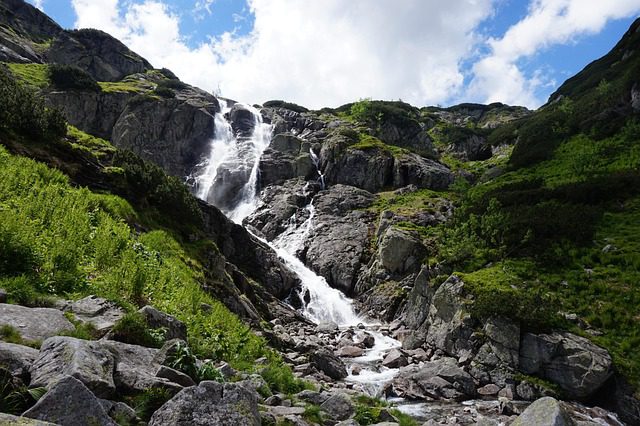
We came to Zakopane expecting a tourist trap with good views. What we found instead was a genuine mountain town with serious hiking, a highland culture unlike anywhere else in Poland, and the kind of cool, fresh air that feels like a reward after weeks in sweltering Southern Europe. Zakopane in summer is one of Central Europe’s most compelling coolcation options — and it’s barely on the Nordic traveller’s radar yet.
We’ve hiked a fair bit in our travels across 25 countries, from the fell trails of Finnish Lapland to the cliffs of the Faroe Islands. The Tatras hit differently. They’re compact but sharp-edged, and in June through August they offer some of the best day hiking in Europe without the crowds of the Alps or the price tag of Switzerland.
Zakopane in summer is Poland’s hiking capital — a highland town at 850 m altitude with day hikes ranging from easy meadow walks to the demanding Rysy summit (2499 m), Poland’s highest peak. Visit June through September for open trails, cable car access, and comfortable temperatures of 15–22 °C. Budget around €40–60 per day for two including accommodation.
- Why Zakopane in summer is worth the trip
- How to get to Zakopane from Kraków
- Quick-reference: 8 Tatra hikes ranked by difficulty
- Tips and warnings for hiking the Polish Tatras
- Zakopane vs the Swiss and Austrian Alps in summer
- Mistakes we made on our Zakopane trip
- Frequently asked questions
- A final word from Rovaniemi
Why Zakopane in summer is worth the trip
The mountains are the real draw
Zakopane sits in the far south of Poland, just kilometres from the Slovak border, at the base of the High Tatras. In summer, the mountains shed their snow above 2000 m, trails open fully, and the cable car to Kasprowy Wierch (1987 m) runs from dawn until early evening. Temperatures in the valley hover between 15 and 22 °C — far cooler than Warsaw or Kraków in a heat wave, and a genuine relief if you’ve been touring Southern Europe.
- Altitude advantage: at 850 m, even the town itself is noticeably cooler than the Polish lowlands. Nights can drop to 10 °C even in July.
- Trail density: the Tatra National Park has over 270 km of marked trails, accessible entirely on foot from the town centre.
- Scenery per hour of effort: few mountain areas in Central Europe pack this much dramatic landscape into such a short drive from a major city (Kraków is 100 km north).
Zakopane’s Goral highland culture
The town is the heartland of Poland’s Goral (highland) people — a distinct cultural group with their own dialect, woodcarving traditions, folk music, and cuisine. Ul. Krupówki, the pedestrian high street, is genuinely lively in summer evenings, with music pouring out of restaurants and the smell of oscypek (smoked sheep’s cheese) drifting from every corner stall. It’s touristy, yes, but it’s also authentic in a way that larger resort towns often aren’t.
How to get to Zakopane from Kraków
Getting there — three options
Kraków is the natural gateway. We flew into Kraków John Paul II Airport and took the direct PKS bus to Zakopane the same afternoon. Here’s what the three main options look like in practice:
The most popular option. Direct buses run hourly from Kraków Galeria Krakowska bus station. Journey time: 2 hours on a good day, 3 in summer traffic. Cost: around 20–30 PLN (€5–7). Book online to guarantee a seat in peak season (July–August).
Faster door-to-door service, often 90 minutes. Costs around 30–40 PLN. They pick up from central Kraków hotels and drop at your Zakopane accommodation. Worth it if you have luggage.
Best if you plan to hike remote trailheads (Dolina Kościeliska, Dolina Chochółowska) that are outside the main Zakopane cluster. The road (DK47) is straightforward but can jam up on summer weekends. Park at the Kuźnice cable car base early.
Zakopane is Poland’s most-visited mountain destination. On Friday afternoons in July and August, the road from Kraków can back up for hours. Arriving Monday–Thursday dramatically improves the trail experience and parking situation.
Where to base yourself
The town centre (near Krupówki) is convenient but loud on summer evenings. We preferred staying in the quieter Kuźnice area, which puts you right at the cable car base and saves 20 minutes of walking each morning. Pension prices in summer run from €25–50 per person per night. Self-catering apartments (often cheaper, widely available on Booking.com) are good value for longer stays.
Quick-reference: 8 Tatra hikes ranked by difficulty
- Morskie Oko (easy, 4–5 hrs return): Poland’s most famous alpine lake at 1395 m. A wide gravel road for most of the way — crowded but beautiful. Take the Paleo bus from Zakopane to the Palkoncia parking area to cut 3 km.
- Kasprowy Wierch via cable car (easy — moderate, 1–3 hrs depending on route): take the gondola up (buy tickets online weeks ahead in summer), then walk the ridge to Czerwone Wierchy or down to Hala Gåsienicowa. Best sunrise views in the entire Tatras.
- Czarny Staw pod Rysami (moderate, 5–6 hrs return from Morskie Oko parking): the “black lake” above Morskie Oko. Steep final ascent but the reward is a dark, still water surrounded by walls of rock. Worth the extra effort.
- Hala Gåsienicowa loop (moderate, 5 hrs): beautiful highland meadow with the Murowaniec mountain hut. Connects multiple ridges. Good acclimatisation day before bigger climbs.
- Giewont (moderate, 5–6 hrs return): the iconic peak with the iron cross at 1894 m. Chains and ladders on the summit section — exposed but not technical. Start early; crowds and afternoon thunderstorms are both real risks.
- Orla Perć ridge traverse (very difficult, 8–10 hrs): the famous “Eagle’s Path” — one of the most demanding via ferrata-style routes in Central Europe. Do not attempt without hiking experience, good weather, and an early start.
- Rysy (difficult, 8–10 hrs return): Poland’s highest peak at 2499 m. Full-day commitment, chains near the summit, and an extremely early start (5 am from Morskie Oko) is essential in summer. One of the most satisfying hikes we’ve ever done.
- Dolina Kościeliska valley walk (easy, 2–4 hrs): a peaceful limestone gorge west of Zakopane. No serious elevation. Good for a rest day or with less experienced hiking companions. Horse carriages also available.
Related read If you’re combining Zakopane with a city stop, read our guide to 3 Days in Kraków — Old Town, Wieliczka, and Auschwitz. It pairs naturally with a Zakopane mountain leg.
Get our best travel tips in your inbox
Monthly stories from Rovaniemi — Arctic tips, packing lists, and the places we keep coming back to.