A Rovaniemi-based couple who has camped in Finland, Norway, Sweden, Denmark, and Iceland breaks down exactly what you can (and cannot) do in each country — so you don’t get surprised with a fine or a knock on the tent door.Differences in Camping Rules Across the Nordics — Country by Country
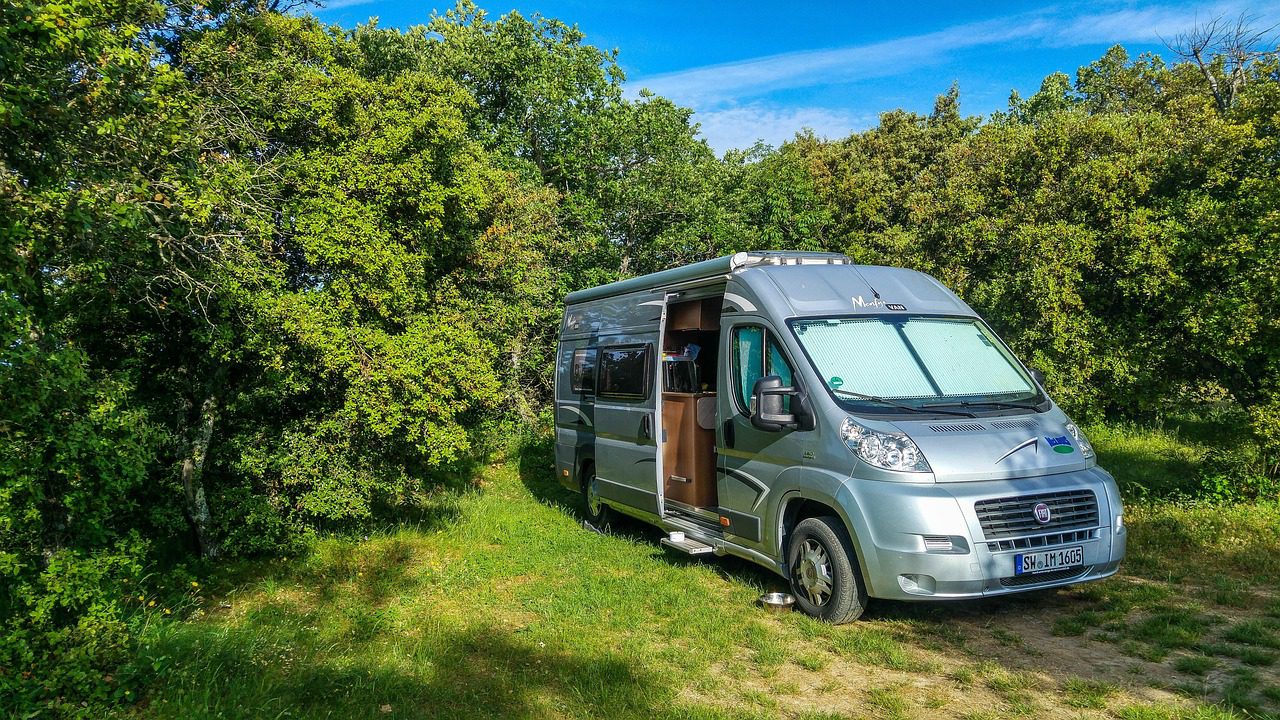
We’ve camped in every Nordic country on this list — sometimes legally wild, sometimes in a proper campsite, and occasionally in a grey zone we had to think through on the spot. The rules differ more than most travellers expect, and the differences matter: what is a fundamental right in Finland is a criminal offence in Denmark.
This guide is our attempt at a clear, country-by-country answer to the question we get asked most often: can I just put up a tent here?
Short answerNordic camping rules vary dramatically by country. Finland, Sweden, and Norway grant a legal right to camp almost anywhere in nature for 1–2 nights. Iceland allows wild camping in some areas but increasingly requires designated sites. Denmark is the outlier — wild camping is largely prohibited, and you need a permit or a paid campsite for virtually every night outdoors.
In this guide- The concept behind Nordic camping rights
- Finland: Jokamiehenoikeus explained
- Sweden: Allemansrätten in practice
- Norway: Allemannsretten and what it covers
- Denmark: why the rules are totally different
- Iceland: changing rules in a popular destination
- Quick comparison table
- FAQ
The concept behind Nordic camping rights — and why they exist
If you grew up outside Scandinavia, the idea that you can legally sleep on privately owned land might seem strange. In the Nordic countries it feels obvious — it’s part of the culture.
Everyman’s Right: where it comes from
The concept goes by different names in each country — Jokamiehenoikeus in Finnish, Allemansrätten in Swedish, Allemannsretten in Norwegian — but the core idea is the same: people have the right to access, traverse, and temporarily stay in nature, even on privately owned land, as long as they don’t damage it or disturb the owner or wildlife.
This right predates modern property law in most of these countries. It’s a centuries-old acknowledgement that the landscape belongs, in some essential way, to everyone. In Norway and Sweden it’s enshrined in statute. In Finland it’s part of the legal framework. In Denmark, largely not.
What the right does NOT cover
- Camping on someone’s garden or curtilage — that’s private space everywhere.
- Lighting fires during fire bans (which all countries issue in dry summer periods).
- Leaving any trace: all versions of the right carry a strict Leave No Trace obligation.
- Staying in the same spot beyond the permitted time (usually 1–2 nights).
- Driving off-road to reach your camping spot — motorised access is almost universally restricted.
Finland: Jokamiehenoikeus — the most permissive framework
Finland is, in our experience, the easiest Nordic country for wild camping. The legal framework is generous, the culture is supportive, and the population density is low enough that conflicts are rare.
What you can do
- Camp anywhere in nature for a few nights, including privately owned forests and shores, as long as you keep a respectful distance from homes (typically 150–200 m from a dwelling).
- Light a campfire on an open fire (provided there’s no fire ban in effect and you leave no trace). Always check the Finnish Meteorological Institute’s fire warning level before lighting anything.
- Pick berries and mushrooms freely — this is explicitly part of Jokamiehenoikeus and applies everywhere in Finland.
- Swim in any body of water, walk through any terrain, cross private land on foot or by non-motorised boat.
What you cannot do
- Set up camp so close to a residence that it causes the owner inconvenience — the “respectful distance” rule is real and applies.
- Drive a vehicle off marked roads to reach your pitch.
- Damage vegetation, disturb nesting birds, or interfere with reindeer herding (especially relevant in Lapland).
- Stay more than a couple of nights in the same spot without moving on.
Our experience: we’ve wild camped dozens of times across Finland without a single problem. Finnish landowners rarely object if you are tidy, quiet, and keep your distance from buildings. The culture of silence and space means conflicts are genuinely uncommon.
Sweden: Allemansrätten — generous but specific
Sweden’s framework is very similar to Finland’s, and is perhaps the most widely discussed of the Nordic rights internationally. The Swedish interpretation has a few nuances worth knowing.
- 1–2 nights in nature: you can camp on uncultivated land, including privately owned land, for 1–2 nights without asking permission.
- Greater distance from homes: Sweden generally expects a greater buffer — 70 m is sometimes cited, but the practical standard is “not close enough to be a nuisance,” which in practice means at least the same 150–200 m distance as in Finland.
- No campfires on dry ground: Sweden issues nationwide fire bans extremely quickly in dry summers, and the fines are real. Always check the Swedish Civil Contingencies Agency (MSB) website before lighting a fire.
- Cycling and skiing cross-country: fully permitted, including on private land, as long as crops and ground cover are not damaged.
- In popular areas (e.g. Stockholm Archipelago, Kungsleden surroundings): some spots have site-specific rules that override Allemansrätten. Check local notices.
Norway: Allemannsretten — the most clearly codified
Norway has perhaps the most formally legislated version of Everyman’s Right, written into the Friluftsloven (Outdoor Recreation Act) of 1957. It is strong and explicit.
The Norwegian framework in brief
- You can camp on uncultivated land for up to 2 nights without permission, as long as you are at least 150 m from the nearest dwelling and you leave no trace.
- If you want to stay longer than 2 nights: you technically need the landowner’s permission, but in remote areas this is rarely an issue in practice.
- Campfires: open fires are prohibited within 5 m of vegetation from April 15 to September 15 (a blanket seasonal ban that overrides local conditions). Outside of that window, the usual fire-safety rules apply.
- Motor vehicles: off-road driving is much more tightly controlled in Norway than in Finland. The ban is comprehensive and well-enforced.
- National parks: Norway has extensive national park rules that often restrict camping to designated areas. Always check park-specific regulations before you go.
The 150 m rule from the nearest dwelling is the most commonly misunderstood part of Norwegian camping law. People see a cabin 200 m away and think they’re fine. Technically they are — but Norwegian cabin owners can be protective of their peace in popular hiking regions. Use judgment as well as the letter of the law.
Denmark: the Nordic outlier
Denmark breaks the Nordic pattern completely. This surprised us the first time we visited, and it catches many travellers off-guard.
Why Denmark is different
Denmark is densely populated (one of the densest countries in Europe), intensively farmed, and has very little truly uncultivated land in the Nordic sense. The landscape is almost entirely privately owned and actively managed. There is no Danish equivalent of Everyman’s Right for overnight camping.
What you can and cannot do in Denmark
- Wild camping on private land: generally prohibited without explicit permission from the landowner.
- Designated “Shelter” sites: Denmark has an excellent network of roughly 1,000 free public shelters and primitive camping spots, managed by local municipalities and hiking organisations. These are legal, free, and often beautiful — but they fill up quickly in summer.
- Paid campsites: the most reliable option. Denmark has around 500 approved campsites.
- Beaches: some beach areas have designated overnight zones — check local rules, as they vary by municipality.
- National parks: camping is only in designated spots within Danish national parks.
Our practical advice for Denmark: download the Danish Hiking Association’s app (Friluftsliv) before you go. It maps the official shelter network and saves a lot of stress. Book ahead in peak summer — the best spots go fast.
Iceland: changing rules in a popular destination
Iceland occupies an interesting middle position. Historically, wild camping was broadly accepted. Growing tourism pressure has shifted the rules significantly in the past decade, and they continue to evolve.
Current state of camping in Iceland (2026)
- Designated campsites: the primary legal option throughout Iceland, especially in the popular south and Snæfellsnes. Prices vary; most require booking in peak season.
- Highland interior: camping in the Highlands (F-roads) is largely restricted to official sites, partly for environmental protection and partly because rescue services need to know where people are.
- Private land: requires explicit landowner permission. Icelanders have been vocal about this — camping without permission on farmed land is a real problem that tourists create.
- Some rural areas: informal wild camping is still tolerated in genuinely remote areas far from farms and sites, but the legal basis is much weaker than in mainland Scandinavia.
- Campfire rules: open fires are heavily discouraged and often prohibited. Iceland’s vegetation is sparse and damaged extremely slowly recovers — a campfire ring can last decades.
The safest approach in Iceland: use official sites, book ahead for peak months (June–August), and treat the landscape with even more care than you would elsewhere in the North.
Quick comparison: Nordic camping rules at a glance
Here is the summary we use when we’re planning a multi-country Nordic trip:
- Finland: Wild camping freely permitted in nature. Campfires allowed outside fire bans. 150–200 m from dwellings. Most permissive in practice.
- Sweden: 1–2 nights permitted on uncultivated land. Campfires heavily regulated (especially May–September). Strong culture of Leave No Trace.
- Norway: 2 nights permitted on uncultivated land under Friluftsloven. Strict 150 m rule. Campfires banned April 15–September 15 near vegetation. National parks have additional rules.
- Denmark: No general wild camping right. Use the official shelter network or approved campsites. Plan and book ahead in summer.
- Iceland: Designated sites strongly preferred. Wild camping on private land requires permission. Campfires very strongly discouraged. Book ahead in peak season.
- All five countries: No motorised off-road access. Strict Leave No Trace obligation. Rules change during fire risk periods — always check before you go.
The unifying principle across all Nordic countries: the right to access nature (where it exists) comes bundled with a serious responsibility not to harm it. These are not camping-without-rules cultures — they are camping-with-deep-respect cultures.
Frequently asked questions
Can I wild camp anywhere in Scandinavia?
In Finland, Sweden, and Norway, yes — with conditions. You can camp on uncultivated natural land for 1–2 nights, keeping 150 m from dwellings and leaving no trace. In Denmark, the answer is essentially no — use the official shelter network. In Iceland, use designated sites.
Is it legal to light a campfire while wild camping in the Nordics?
It depends on the country and the season. Norway bans open fires near vegetation from April 15 to September 15. Sweden issues fire bans quickly in dry periods. Finland permits fires outside declared bans. Denmark and Iceland strongly discourage open fires. Always check the current fire risk status before lighting anything.
What is the 150-metre rule in Norway?
Norwegian law (the Friluftsloven) requires that wild campers stay at least 150 metres from the nearest permanent dwelling. This applies on both private and state-owned uncultivated land. The intent is to protect residents’ privacy and peace — it’s not just a suggestion.
Can I camp for free in Denmark?
Not on private or public land generally — but Denmark has a network of roughly 1,000 free primitive shelters and designated camping spots managed by municipalities and hiking organisations. Download the Danish Hiking Association’s app to find them. They are free but get booked up fast in summer.
How is camping in Iceland different from the rest of the Nordics?
Iceland does not have a legal Everyman’s Right equivalent. Wild camping on private land requires permission, and the authorities strongly encourage use of the official campsite network, especially in popular areas and the highland interior. Campfires are very strongly discouraged because of Iceland’s fragile and slow-recovering vegetation.
Can we drive to our wild camping spot in the Nordics?
No. Off-road motorised access is banned across all five Nordic countries covered here, with varying degrees of enforcement. In Finland and Norway the restriction is especially strict in sensitive habitats. Park the car on a road or in a marked area and walk in to your pitch.
A final word from Rovaniemi
We think a lot about these rules because we use them constantly — camping at the edge of a frozen lake north of Rovaniemi in January, pitching a tent on a Norwegian fell with no one else for kilometres, walking through a Swedish forest in midsummer with a stove and a sleeping mat.
The Nordic camping tradition is one of the things we love most about living here. It’s built on trust — trust that people who access nature will treat it well. Every time a tourist lights an illegal fire, leaves rubbish, or camps 30 metres from someone’s cabin, it chips away at that trust and at the political will to maintain these rights.
Go out, camp freely where it’s legal, and leave every place better than you found it. That’s really the whole rule.
J&A Written byJoona & Alla
A Finnish-Ukrainian couple living in Rovaniemi, Finland. Joona is a marketing professional in Lapland tourism; Alla is an AI Engineer. Together we’ve visited 21 countries and share honest, locally-grounded travel writing from our home in the Arctic.
Read our full story →