Best Hikes in Lapland During Summer — Trails We Actually Walk
We live in Rovaniemi year-round, and every June we lace up for trails that feel like a different planet — fell plateaus, canyon ridges, river valleys under the midnight sun. Here are the best hikes in Lapland during summer, from the iconic to the quietly spectacular.
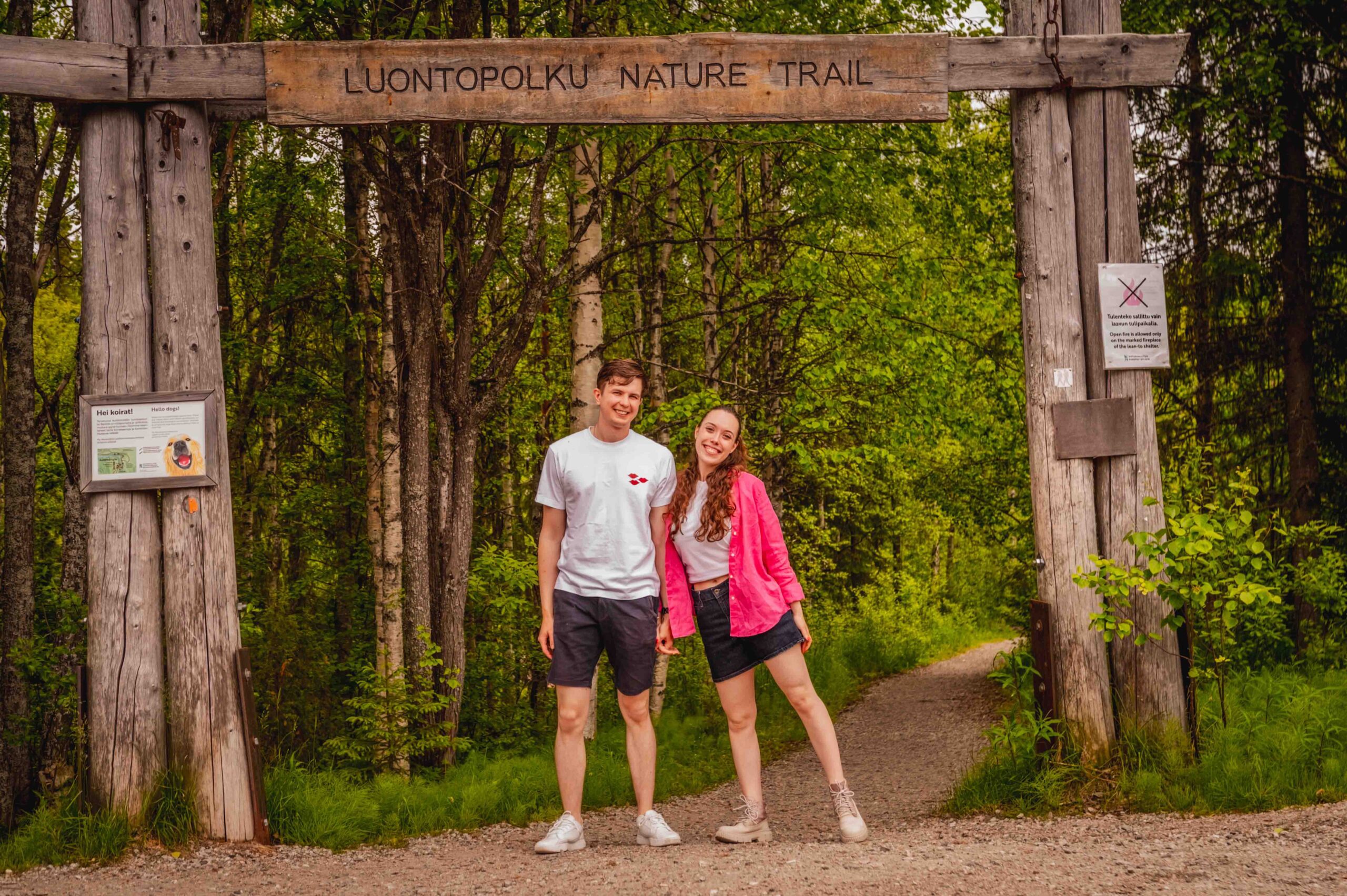
We are lucky enough to have the tunturi — the Lapland fells — as our backyard. Every summer, from the moment the snow melts off the high ground in late May, we are out on the trails. Not as guides, not for Instagram, just because hiking here in summer is one of the finest things we know how to do with a free weekend.
The best hikes in Lapland during summer are genuinely underrated. Most people come to Rovaniemi in winter; the ones who show up in June step off the plane into something that feels nothing like what they expected — warm air, birch forests shimmering gold-green, the sun still burning at midnight, silence that has real texture to it. The trails we describe below are the ones we recommend to everyone who asks.
The best hikes in Lapland during summer are concentrated in Pallas-Yllästunturi, Urho Kekkonen, Oulanka, and Pyhä-Luosto National Parks, plus shorter local trails around Rovaniemi. Peak season is late June through August; trails are snow-free, well-marked, and walkable without a guide. The midnight sun means you can hike at any hour — no headlamp needed through July.
- Why Lapland in summer is a hiker’s secret
- The five best parks and their signature trails
- Quick-reference trail selector
- What to pack for summer hiking in Lapland
- Midnight sun hiking — what it’s actually like
- Mistakes we made on our first Lapland summer hikes
- Frequently asked questions
- A final word from Rovaniemi
Why Lapland in summer is a hiker’s secret
When people hear “Lapland,” they picture snowmobiles and Santa Claus. The summer version — fell plateaus wrapped in cotton grass, reindeer crossing your path like they own the trail (they do), cloudberries turning orange along the ridge — registers as almost fictional to visitors who’ve only seen the winter photos.
The season is shorter than you think, and that’s a feature
The high-country trails in Finnish Lapland are typically snow-free from early June to mid-October. That’s a four-month window, and the busiest part is July. Come in late June or mid-August and you get the same conditions with fewer people on the most popular paths. We usually aim for the last week of June — the lingering snowfields on the fells are almost gone, the mosquitoes have not yet peaked, and the midnight sun is at its strongest.
What makes summer hiking different here
- No darkness. From mid-June through late July the sun does not set. You can start a hike at 11 pm and walk through a golden, shadow-long landscape until 3 am, then catch a bus back. We have done this more times than we can count.
- Reindeer everywhere. The fells are reindeer grazing territory. They are curious, unfazed by hikers, and make every photograph better.
- Navigable terrain. Lapland fells are above the treeline but lower than alpine peaks — typically 300–700 m above sea level. Technical climbing gear is not needed on any of the trails below.
- Jokamiehen oikeudet — Everyman’s Right. In Finland, you can camp, walk, and berry-pick almost anywhere in nature, regardless of land ownership. National park trails are marked, but you’re not confined to them.
The five best parks and their signature trails
Finnish Lapland has eleven national parks. Below are the five we return to most often, with the specific trails we’d choose for a first or repeat summer visit.
1. Pallas-Yllästunturi — the fell backbone hike
This is the third-largest national park in Finland and the one most locals point to when asked for the definitive Lapland fell experience. The centrepiece is the Pallas–Hetta route, a 60 km trail running north from Ylläs to Hetta (Enontekiö) along a chain of open fells. Most people walk it in 4–5 days using the park’s huts, which can be booked through outdoors.fi. Day-hikers can access the southern end from Ylläsjärvi or the northern end from Pallastunturi — both have carparks and visitor centres.
- Best day hike: Taivaskero summit loop from the Pallastunturi visitor centre — 8 km, 280 m elevation gain, panoramic views over five fells.
- Best multi-day: The full Pallas–Hetta traverse, staying in free open huts (varaushuvila reservations required for enclosed huts).
- When to go: Late June–August; snow off the fells from about June 10.
2. Urho Kekkonen — wilderness with real solitude
At 2,550 km², Urho Kekkonen is one of the largest national parks in Europe. Its gateway town is Saariselkä, 250 km north of Rovaniemi. The park’s trail network is extensive, ranging from short forest loops to week-long wilderness routes toward the Russian border. This is where we go when we want to feel genuinely remote.
- Best day hike: Kiilopää fell from the Kiilopää Fell Centre — marked trail to the summit (546 m), 5 km return, views to Russia on clear days.
- Best multi-day: The Raututunturi–Sokosti loop, 4–5 days, through open fell and pine forest with no road crossings.
- Practical note: The Saariselkä Fell Centre has a gear shop, hot food, and sauna rental — a civilised base for wilderness day trips.
3. Oulanka — canyons and the Karhunkierros
Oulanka National Park, about 225 km south of Rovaniemi near Kuusamo, is home to Finland’s most famous multi-day trail: the Karhunkierros (Bear’s Ring), 82 km of canyon edges, suspension bridges, and river rapids. The park is more forested than the northern fells — big spruce, roaring waterfalls, deep gorges cut by glacial meltwater. It feels different from the open fell parks in the north, and that contrast is exactly why we go back.
- Best day hike: The Myllykoski loop from Juuma — 6 km, flat, passes three rapids and two suspension bridges. The most photographed trail in Finland for good reason.
- Best multi-day: The full Karhunkierros, 4–6 days, bookable lean-tos along the route via Nationalparks.fi.
- When to go: June–September; the June snowmelt swells the rivers and makes the waterfalls spectacular.
4. Pyhä-Luosto — fells close to Rovaniemi
Pyhä-Luosto is our most-reached park from home — 115 km south of Rovaniemi, easily done as a day trip or a two-night stay. The terrain mixes open fell, ancient gorges (the Pyhäkuru ravine is genuinely dramatic), and mixed boreal forest. In summer the fells here are quieter than Pallas-Yllästunturi and easier to access independently.
- Best short hike: Noitatunturi–Ukko route from the Pyhä visitor centre — 8 km loop, views over the gorge and two fell summits.
- Best for families: The Isokuru ravine trail, 3 km, flat, through a dramatic ice-age canyon. Kids love the suspension bridges.
5. Lemmenjoki — river, gold, and absolute quiet
Lemmenjoki in northwest Lapland is the largest national park in Finland (2,850 km²) and one of the least visited. The signature experience is a boat trip up the river followed by a walk to the gold-panning grounds — active since the 1940s. Hiking here feels like stepping out of time. Access is from Inari, 330 km north of Rovaniemi, making it a destination rather than a day trip.
- Best experience: River boat + Kultahamina trail — 3 km to the gold-panning area, with an optional extension to the fell plateau for 360-degree wilderness views.
- Best for wilderness hikers: The park has unmarked wilderness routes for experienced navigators — no huts, no signs, real solitude.
Quick-reference trail selector
Here are eight routes across Lapland’s national parks that we’d recommend for summer 2026. Use this as a planning shortlist — not every hike needs to be an expedition.
8 km · 280 m gain · 3–4 h · Easy–moderate. Best for a first Lapland fell hike. Panoramic views, marked trail, visitor centre at trailhead.
60 km · 4–5 days · Multi-day classic. Open fell all the way, huts bookable, legendary in Finnish hiking culture.
5 km return · 1.5–2 h · Easy. Best easy summit with views into Russia. Accessible from the Kiilopää Fell Centre, sauna at the end.
82 km · 4–6 days · Moderate. Finland’s most famous multi-day hike. Canyons, bridges, rivers, lean-tos.
6 km · 2 h · Easy. Best family day hike in Lapland. Flat, dramatic, three waterfalls, two suspension bridges.
8 km loop · 3 h · Moderate. Closest serious fell hike to Rovaniemi. Gorge views, two summits.
3 km (from riverboat drop-off) · 1 h · Easy. Gold-panning history, river wilderness, optional fell extension.
4–10 km depending on route · 1.5–3 h · Easy. Our local fell, 10 minutes from the city centre. Good intro to fell terrain, river views, no car needed.
Our honest Lapland dispatches
Trail conditions, seasonal guides, and the trips we’re planning next — straight from 66°N.
What to pack for summer hiking in Lapland
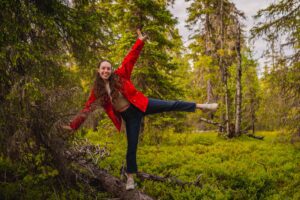
Summer in Finnish Lapland can mean 25 °C and full sun, or 8 °C and driving rain from the northwest — sometimes on the same day. We’ve been caught out on both ends. The packing list below is what we actually leave the house with, not a worst-case scenario list.
- Waterproof shell jacket: Non-negotiable. Lapland summer showers arrive fast and leave fast, but on a fell with no shelter, 20 minutes of cold rain without a shell will end your day early.
- Mid-layer (fleece or light down): Even in July, fell summits are 5–8 °C cooler than the valley. We carry a packable fleece on every hike above treeline.
- Sturdy trail shoes or light hiking boots: Fell terrain is rocky and boggy. Road-running shoes work on marked lower paths but not on rocky ridges. Waterproof soles are worth it in June when snowmelt puddles are everywhere.
- Mosquito repellent: Peak mosquito season in Finnish Lapland is late June through mid-July, especially in forest and boggy areas below treeline. DEET-based repellent, a head net for bad days. Above the treeline, wind usually keeps them away.
- Sun protection: At midnight in June the sun is still above the horizon and UV levels can surprise you. SPF 30+ and sunglasses — the kind that block from the sides.
- Water and filtration: Most Lapland streams are clean enough to drink from directly, especially at altitude. We carry a Sawyer filter for longer trips as a precaution. Carry 1.5–2 L capacity on longer fell routes; huts have water but are spaced hours apart.
- Paper map or downloaded offline map: Cell coverage in national parks is patchy. Download the Nationalparks.fi map or AllTrails offline before you leave town. We also carry a paper map for longer routes.
- Snacks and a real lunch: Finnish trail huts sell nothing. Carry enough food for the full day. We typically bring open-face sandwiches, dried cloudberries, and chocolate — calorie-dense and lightweight.
Midnight sun hiking — what it’s actually like
We have walked the Ounasvaara summit trail at 1 am in early July more times than we can remember. The experience is genuinely strange in the best possible way. The sun sits low, the shadows stretch endlessly east, the birch leaves catch the light gold, and there is nobody else on the path.
The practical reality of hiking without darkness
- Your body clock goes sideways. After a few days of continuous daylight, it becomes difficult to tell whether you’re tired or just in the middle of an afternoon. We set phone alarms for meals because hunger is the only reliable signal left.
- Weather is calmer at night. Summer storms in Lapland typically build in the afternoon, peak around early evening, and fade after midnight. Late-night hikes often catch the best light and the calmest air.
- Other trail users disappear. Popular trails that are crowded at 2 pm are empty at 11 pm. If you want Taivaskero summit to yourself, go late.
- You still need sleep. Blackout curtains or a sleep mask are essential at your accommodation. Melatonin is worth it for the first few nights. Exhaustion from poor sleep will reduce your enjoyment of the hikes significantly — we learned this the hard way on our first summer in Lapland.
Best midnight sun hiking windows by month
- June 1–30: Sun above the horizon continuously from about June 6 (at Rovaniemi latitude). Light is golden and warm from 10 pm to 3 am. Our favourite month.
- July 1–31: Still extraordinary light, but the sun dips slightly below the horizon for an hour or two by mid-July. Still very bright at midnight — no headlamp needed.
- August 1–31: Real dusk returns. Evening light is still gorgeous, and trails are quieter. Mosquito pressure drops significantly. Cloudberry and bilberry season peaks — the trails suddenly have extra motivation.
Mistakes we made on our first Lapland summer hikes
- Assuming summer means dry weather. Our first summer hike in Pallas-Yllästunturi ended with us soaked to the skin after a two-hour downpour that rolled in from the west with 45 minutes of notice. Now we always carry a shell jacket, regardless of the forecast.
- Underestimating boggy terrain. Fells look open and easy from a distance. Ground level is a different story — wet moss, hidden hollows, and sphagnum bog that swallows your ankle mid-step. Waterproof shoes and trekking poles in June, always.
- Not booking hut spots on popular routes. The Karhunkierros lean-tos fill up in July. We arrived at Oulanka in late July without a booking and spent a night in our tent when we hadn’t planned to. Book at outdoors.fi or Nationalparks.fi — free to use, no excuse not to.
- Hiking in cotton for a “short” trail. Lapland fell weather can turn cold and wet within an hour. Cotton denim and a hoodie is not a hiking outfit at altitude here, even in summer. Moisture-wicking base layer minimum.
- Ignoring the mosquitoes until it was too late. Our first June in the Lemmenjoki forest was a mosquito education. We now apply repellent before we open the car door in any forest area before mid-July.
- Not downloading offline maps before leaving signal range. Lapland national parks have patchy cell coverage. We lost navigation on a ridge in UKK because we had relied on a live map. Now every route is downloaded before we leave the carpark.
Frequently asked questions
When is the best time to hike in Lapland in summer?
Late June and early August are our sweet spots. Late June gives you peak midnight sun and snow-free high trails; early August offers lower mosquito numbers, berry season beginning, and quieter trails. July is the most popular month and works well but trails at Oulanka and Pallas-Yllästunturi can feel busy on weekends.
Do I need a guide to hike in Lapland in summer?
No. Finnish national park trails are very well marked, and the outdoors.fi and Nationalparks.fi websites have accurate trail maps, distance data, and hut booking. Most trails described above are suitable for self-guided hikers with basic fitness and the right clothing. A guide is only necessary for off-trail wilderness routes in parks like Lemmenjoki.
Are there bears or wolves I need to worry about in Lapland?
Brown bears and wolves are present in Finnish Lapland but very rarely seen on popular hiking trails. Bear encounters are exceptionally unusual; bears are shy and will avoid people. The main nuisances are mosquitoes (June–July) and reindeer who decide to stand in the middle of the path. Make noise as you walk in dense forest and you are very unlikely to encounter anything concerning.
Can I camp freely on fell trails in Lapland?
Yes, under Everyman’s Right (jokamiehen oikeudet). You can pitch a tent almost anywhere in Finnish nature for up to a couple of nights in the same spot. National parks have designated camping areas and open huts for fire-making; camping outside these is also permitted in most of the parks listed. Always use established fire rings or a camping stove — open fires are prohibited in dry weather and on fell terrain above the treeline.
How difficult are Lapland fell hikes compared to alpine hiking?
Generally much easier in terms of technical difficulty. Finnish fells are lower (300–700 m) and rounder than alpine peaks — no scrambling, no glaciers, no via ferrata required. The challenge is the terrain (boggy, uneven, rocky in places) and the weather (fast-moving and cold). A reasonably fit person with proper footwear and clothing can handle all the routes listed above.
Do I need to pay to enter Finnish national parks in summer?
No. Entry to Finnish national parks is free. Hut reservations are required for enclosed overnight huts (small fee) but open lean-tos and campfire sites are free. Parking at visitor centres is also free. Booking is done via outdoors.fi or Nationalparks.fi.
A final word from Rovaniemi
We’ve hiked in a lot of countries — across Norway’s fjordland, through Iceland’s highlands, along the Faroe Islands’ cliff paths. Lapland in summer holds its own against all of them, and it does it quietly. There are no queues at the trailheads we love most. The fells don’t trend on travel Instagram the way Norwegian fjords do. That gap, between how good it actually is and how little the world seems to know about it, is one of the things that keeps us writing.
If you’re planning a summer trip to Finnish Lapland and you want to spend at least one day on a fell trail, start with Pyhä-Luosto if you’re based in Rovaniemi, or Pallas-Yllästunturi if you can give it two nights. Walk at midnight once, just to see what it’s like. Pack the rain jacket even when it looks clear. And if you see a reindeer blocking the path, just wait — they always move eventually.
Joona & Alla
A Finnish-Ukrainian couple living in Rovaniemi, Finland. Joona is a marketing professional in Lapland tourism; Alla is an AI Engineer. Together we’ve visited 21 countries and share honest, locally-grounded travel writing from our home in the Arctic.
Read our full story →