How to Spend Midsummer’s Eve in Finland — Juhannus 2026
We live in Rovaniemi. We’ve done Juhannus by a lake, in a city, and once on an island ferry with strangers. Here’s what the holiday actually looks like — and how to experience it as a visitor without feeling like an outsider.
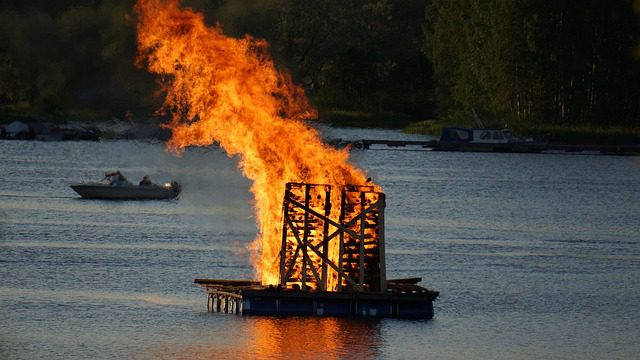
Every year around June 20–21, Finland collectively disappears. Offices close, cities empty, and several million people head to the countryside. Juhannus — Finnish Midsummer — is the closest thing Finland has to a national religion, and it revolves entirely around a lake, a sauna, and a bonfire called a kokko.
We’ve celebrated Juhannus 2026 falls on the evening of Friday, June 19 and the official flag day is Saturday, June 20. If you’re visiting Finland in June, this is the holiday worth planning around — but it takes a little inside knowledge to do it right. Here’s ours.
Juhannus 2026 falls on Friday–Saturday, June 19–20. To celebrate it properly, head to a Finnish lake cottage, light a bonfire after midnight, swim, sauna, and embrace the fact that the sun barely sets. Cities go very quiet — most Finns leave. If you’re in Helsinki or Rovaniemi, public events still happen, but the real holiday is rural.
What is Juhannus and when is it in 2026
The ancient holiday that stops Finland
Juhannus is Finland’s Midsummer festival, rooted in pre-Christian traditions celebrating the summer solstice. The name comes from Johannes (John the Baptist), but the rituals — bonfires, sauna, swimming, and folk magic — are far older than the Christian calendar. Today it’s simply the most important summer holiday in Finland, a nationwide pause that even outranks Christmas in terms of emotional weight for many Finns.
The 2026 dates you need to know
- Juhannus Eve (Juhannusaatto): Friday, June 19, 2026 — this is when most of the celebrating happens.
- Midsummer Day (Juhannuspäivä): Saturday, June 20, 2026 — a public holiday, flag day, many churches hold services.
- Practical impact: Shops, restaurants, and services start closing from midday Friday. Most Finns leave for the countryside Thursday evening. Plan to be at your destination by Friday afternoon at the latest.
- In Lapland (Rovaniemi): the sun doesn’t set at all around Juhannus. It’s technically a solstice celebration where the very thing you’re celebrating — light — is impossible to miss at any hour.
How Finns actually spend Midsummer
There is no parade, no fireworks, no organised spectacle. Juhannus is deliberately private and domestic. Understanding this is the first step to enjoying it.
The four pillars of a Finnish Midsummer
- The cottage (mökki): Over 500,000 Finnish summer cottages exist for a population of 5.5 million. The exodus to the countryside is total. If you can get access to a mökki — via a friend, a rental platform, or a tour operator — that’s the authentic Juhannus experience.
- The sauna: A lakeside smoke sauna on Midsummer Eve is the most Finnish thing you can do. You heat it for hours, sweat, plunge into the lake, repeat. Repeat again at 2 am under a sky that’s still light blue.
- The bonfire (kokko): Lit after midnight, the kokko is both a tradition and a spectacle. In some communities it’s enormous. In a backyard cottage setting it might be a modest fire by the water. Both are correct.
- Birch branches: Juhannus decorations are birch branches hung at doorways, woven into garlands, and used as sauna whisks (vihta). The smell of fresh birch in a hot sauna on a June night is the sensory memory of the holiday.
Food is secondary but present: grilled sausages (grillimakkara), new potatoes (uudet perunat) with dill and butter, fresh strawberries, and beer or cider. The eating is unhurried, the conversations go on for hours.
The Juhannus checklist — what you need for a proper Midsummer
You need a destination before Friday lunchtime. A rented cottage, a friend’s family mökki, a campsite with sauna access, or a hotel that stays open in a small lakeside town. Book this weeks in advance — Juhannus is the peak of Finnish domestic travel.
Assume everything closes. Stock up Thursday or early Friday morning: sausages for the grill, potatoes, dill, butter, strawberries, bread, drinks, and whatever you need for two full days. Rural shops may close entirely Thursday evening.
If the cottage has a wood-heated sauna (and it should), make sure there’s dry firewood. A smoke sauna takes 4–6 hours to heat. Start it in the afternoon for an evening sauna.
Cut birch branches the day before if you can. Soak the bundle in water. It’s used to gently beat your skin in the sauna — a sensory ritual that makes the heat feel alive. The smell is incomparable.
Collect dry wood for the kokko. Check local fire regulations — in drought conditions, bonfires may be banned even in traditional spots. Your mobile phone can check the fire warning level at ilmatieteenlaitos.fi.
In southern Finland, it gets twilight-dark around 1–2 am but never fully black. In Lapland, it doesn’t get dark at all. Pack a sleep mask, accept the light, and enjoy a midnight sauna swim in a sky that’s still pale gold.
Juhannus coincides with peak mosquito season in Finland. Any lakeside cottage in June will have them, especially after sunset. A good repellent is not optional.
Finnish lake swimming at Midsummer is a rite of passage. Finnish lakes in June are still cool (15–18 °C in most of the country, colder in Lapland), but after a hot sauna it’s exactly right. A towel, a swimsuit (optional by Finnish standards), and courage.
Get our best travel tips in your inbox
Monthly stories from Rovaniemi — Arctic tips, packing lists, and the places we keep coming back to.